Symptômes d'ovulation à surveiller : la liste complète de suivi 2026


Saviez-vous que les applications de fertilité qui se basent uniquement sur l'historique de votre cycle ne prédisent le jour réel de votre ovulation qu'avec une précision de 21 % ? Cette statistique impressionnante d'une étude de 2023 explique pourquoi tant de personnes se sentent frustrées lorsqu'elles essaient de concevoir. Se fier à un algorithme plutôt qu'à votre biologie conduit souvent à manquer les fenêtres fertiles et à un stress inutile. Il est tout à fait normal de se sentir confus face aux symptômes spécifiques de l'ovulation à surveiller, surtout lorsqu'il s'agit de distinguer entre pertes normales et véritable glaire fertile. Vous méritez de vous sentir en confiance grâce à la connaissance de votre corps, et non submergé par un calendrier qui ne semble pas correspondre à votre réalité physique.
Apprendre à lire les signaux de votre corps est la clé pour identifier avec confiance votre fenêtre de fertilité précise de 12 à 24 heures. Cette liste de contrôle complète pour 2026 détaille la différence entre les signaux primaires et secondaires. Nous explorerons tout, des changements de la glaire cervicale aux dernières normes de tests hormonaux doubles, afin de vous garantir un plan multisensoriel pour suivre votre cycle avec précision et prendre le contrôle de votre santé reproductive.
Points clés à retenir
- Identifiez les « Trois grands » indicateurs principaux, y compris comment distinguer la glaire cervicale fertile des pertes quotidiennes.
- Apprenez à reconnaître les symptômes secondaires de l'ovulation, tels que le Mittelschmerz et les variations de libido, pour capter les signaux subtils que votre corps envoie.
- Découvrez pourquoi les cinq jours précédant la libération de l'ovule sont les plus critiques pour la survie des spermatozoïdes et comment maximiser cette période.
- Établissez une liste de contrôle quotidienne combinant les relevés matinaux de la température basale du corps avec des observations physiques régulières en milieu de journée.
- Passez du suivi à l'action en comprenant le meilleur moment pour les rapports sexuels et comment maintenir un environnement favorable aux spermatozoïdes.
Comprendre la fenêtre d'ovulation et son importance biologique
L'ovulation est le point culminant biologique de votre cycle mensuel, se produisant lorsqu'un ovule mature est libéré du follicule dominant dans l'ovaire. Bien que de nombreux manuels suggèrent que cela se passe exactement au 14e jour d'un cycle de 28 jours, la réalité est souvent bien plus variable. La durée de votre cycle peut changer en raison du stress, de l'alimentation ou des variations hormonales, ce qui rend essentiel de reconnaître les symptômes spécifiques de l'ovulation à surveiller plutôt que de se fier à un calendrier fixe. Comprendre l'ovulation implique de suivre les variations hormonales qui déclenchent cet événement, en particulier la montée de l'hormone lutéinisante (LH).
Cette poussée de LH agit comme le feu vert final pour que l'ovule commence son trajet dans la trompe de Fallope. Comme l'ovule ne reste viable que 12 à 24 heures après sa libération, la fenêtre de conception est extrêmement étroite. Cependant, puisque les spermatozoïdes peuvent survivre dans l'appareil reproducteur féminin jusqu'à cinq jours, votre fenêtre fertile commence en réalité bien avant la libération de l'ovule. Identifier ces premiers signaux garantit que des spermatozoïdes sains sont déjà présents lorsque l'ovule arrive.
Pour mieux comprendre comment ces signaux biologiques se manifestent physiquement, regardez cette vidéo utile :
La science des phases du cycle menstruel
Votre cycle est divisé en deux phases principales : la phase folliculaire et la phase lutéale. Pendant la phase folliculaire, le taux d'œstrogènes augmente, épaississant la muqueuse utérine et créant une glaire cervicale fertile. Une fois l'ovulation survenue, la phase lutéale commence. À ce stade, la progestérone prend le relais pour soutenir une éventuelle grossesse. Si vous ne concevez pas, le taux de progestérone chute et vos règles commencent. Comprendre ces changements vous aide à identifier les symptômes physiques de l'ovulation à surveiller au fur et à mesure que vos hormones fluctuent tout au long du mois.
Pourquoi le timing est essentiel pour la conception
La réussite de la conception dépend de la présence de spermatozoïdes sains dans les trompes de Fallope au moment où l'ovule arrive. C'est pourquoi les deux jours précédant l'ovulation sont considérés comme la période de fertilité maximale. Étant donné que l'ovule a une durée de vie très courte, planifier les rapports sexuels en fonction des signes physiques est bien plus efficace que de deviner. Pour mieux estimer quand votre prochaine fenêtre fertile pourrait s'ouvrir, vous pouvez utiliser un calculateur d'ovulation pour tracer votre cycle en fonction de vos dernières règles et de la durée typique de votre cycle.
Symptômes principaux de l'ovulation : les « trois grands » signes à surveiller
Alors que votre corps envoie de nombreux signaux pendant votre cycle, trois indicateurs spécifiques se distinguent comme la référence en matière de suivi de la fertilité. Ces symptômes principaux de l'ovulation incluent les changements de la glaire cervicale, la température basale du corps et la position du col de l'utérus. Lorsque vous savez quels symptômes d'ovulation observer, vous pouvez arrêter de deviner et commencer à planifier les rapports sexuels avec précision. Ces signes ne se produisent pas isolément ; ils fonctionnent ensemble comme une carte biologique pour vous guider à travers votre fenêtre fertile.
Décoder la glaire cervicale : de sèche à « blanc d'œuf »
La glaire cervicale est sans doute le signe physique le plus fiable indiquant que l’ovulation approche. À mesure que les niveaux d’œstrogènes augmentent, votre glaire se transforme pour créer un environnement « favorable aux spermatozoïdes ». Vous recherchez la « glaire cervicale blanche d’œuf » (GCBO). Cette sécrétion est claire, glissante et élastique, ressemblant souvent au blanc d’œuf cru. Elle joue un rôle essentiel en protégeant les spermatozoïdes et en les aidant à nager à travers le col pour rencontrer l’ovule. Une fois l’ovule libéré, vous remarquerez un changement rapide. La glaire devient généralement épaisse, collante ou disparaît complètement sous l’effet de la progestérone.
Suivre correctement la température basale du corps (TBC)
La température basale du corps est la température de votre corps au repos total. Pour la suivre avec précision, vous devez prendre votre température immédiatement au réveil, avant même de vous asseoir ou de consulter votre téléphone. Après l’ovulation, votre température augmentera d’environ 0,5 à 1 degré Fahrenheit. Ce « changement thermique » est causé par l’augmentation de la progestérone. Il est important de comprendre que la température basale est un signe rétrospectif. Elle confirme que l’ovulation a déjà eu lieu ; elle ne la prédit pas à l’avance. Si vous cherchez des produits pour accompagner votre parcours, explorer les lubrifiants compatibles avec la fertilité peut aider à maintenir un environnement adapté pendant ce changement.
La méthode SHOW : changements de position du col de l’utérus
Votre col de l’utérus change aussi physiquement à l’approche de vos jours de fertilité maximale. De nombreux experts utilisent l’acronyme SHOW pour décrire ces changements :
- Mou : Le col se ressent comme votre lobe d’oreille plutôt que comme le bout de votre nez.
- Haut : Il remonte plus profondément dans le canal vaginal, rendant l’accès plus difficile.
- Ouvert : L’ouverture cervicale s’élargit légèrement pour permettre l’entrée des spermatozoïdes.
- Mouillé : Une augmentation de la glaire fertile rend la zone lubrifiée.
Pendant la majeure partie de votre cycle, le col de l’utérus est ferme et se situe bas dans le canal vaginal. À l’approche de l’ovulation, il remonte et devient plus mou. Combiner ces vérifications physiques avec vos données de glaire et de température offre une image plus précise de votre cycle unique, vous aidant à identifier les symptômes exacts d’ovulation à surveiller chaque mois.
Symptômes secondaires de l’ovulation : changements subtils du corps que vous pourriez manquer
Au-delà des indicateurs principaux comme la glaire cervicale et la température, votre corps fournit plusieurs signaux secondaires faciles à négliger si vous ne faites pas attention. Ces changements subtils agissent comme des « coups de pouce » biologiques, indiquant que votre fenêtre fertile est ouverte. Lorsque vous apprenez quels symptômes d’ovulation rechercher, prêter attention à ces signes secondaires peut vous offrir la confirmation supplémentaire nécessaire pour suivre votre cycle en toute confiance. Ces symptômes reflètent souvent les niveaux élevés d’œstrogènes circulant dans votre organisme juste avant la libération de l’ovule.
L'un des symptômes secondaires les plus distincts est le Mittelschmerz, un mot allemand signifiant « douleur du milieu ». Il s'agit d'une douleur ou crampe pelvienne unilatérale qui survient lorsque le follicule libère l'ovule. Ce n'est pas systématique ; les recherches indiquent que le Mittelschmerz affecte environ 20 % des femmes pendant leur cycle. Vous pourriez aussi remarquer de légers saignements, souvent appelés saignements d'ovulation. Cela se produit en raison d'une brève chute des niveaux d'œstrogènes juste avant que la progestérone ne commence à augmenter. Si vous ressentez ces douleurs, c'est un excellent moment pour croiser vos sensations avec un calculateur d'ovulation afin de vérifier si vous êtes dans votre période de pointe.
Beaucoup de femmes rapportent que leurs sens deviennent plus aiguisés à l'approche de l'ovulation. Vous pourriez constater que votre odorat, votre goût ou même votre vision sont plus précis. Cet état sensoriel accru est lié aux niveaux élevés d'œstrogènes et est considéré comme un trait évolutif pour aider à identifier un partenaire compatible. En plus de ces changements sensoriels, vous pourriez ressentir une sensibilité des seins ou une sensation de « lourdeur » dans la poitrine, ce qui est une réponse hormonale courante au changement imminent de votre cycle.
Modifications physiques et sensorielles
Les ballonnements et la rétention d'eau sont des signes secondaires fréquents lors du pic d'œstrogènes. Vous pourriez avoir l'impression que vos vêtements sont un peu plus serrés ou remarquer une légère prise de poids pendant un jour ou deux. Ces changements physiques s'accompagnent souvent d'une augmentation soudaine de la libido. Cette poussée de désir sexuel n'est pas accidentelle ; c'est la façon dont votre corps encourage la conception pendant vos jours les plus fertiles. Bien que ces signes soient moins définitifs que la glaire cervicale, ils offrent des indices précieux lorsqu'ils sont considérés dans le cadre global de la santé de votre cycle.
Changements d'humeur et d'énergie
Le « éclat œstrogénique » est un phénomène réel que beaucoup de femmes remarquent pendant leur période fertile. Des niveaux élevés d'œstrogènes peuvent entraîner une peau plus claire, des cheveux plus éclatants et un regain d'énergie notable. Vous pourriez vous sentir plus sociable, confiante et optimiste que d'habitude. Ces élévations d'humeur sont des incitations biologiques qui vous rendent plus encline à rechercher la connexion. Suivre ces changements émotionnels et énergétiques vous aide à mieux comprendre le rythme unique de votre corps, facilitant ainsi l'identification des symptômes d'ovulation à surveiller chaque mois.
La liste de contrôle ultime pour le suivi de l'ovulation en 2026
Transformer vos connaissances en biologie en une routine quotidienne est la manière la plus efficace de déterminer votre période de fertilité. Comprendre la théorie est important, mais avoir un plan structuré vous aide à éviter le stress des occasions manquées. En suivant un calendrier régulier, vous vous assurez de capter tous les symptômes d'ovulation à surveiller sans douter de vos données. Cette liste de contrôle intègre les observations physiques avec des outils de test modernes pour une vision complète de votre fertilité.
- Routine matinale : Prenez votre température basale (BBT) dès votre réveil. Faites-le avant de vous asseoir, de boire de l'eau ou de parler. Enregistrez immédiatement la valeur dans votre application de suivi.
- Contrôle en milieu de journée : Chaque fois que vous allez aux toilettes entre 10h et 16h, observez la consistance de votre glaire cervicale. Notez si elle est sèche, crémeuse ou glissante.
- Fenêtre de test : Faites un test d'ovulation (OPK) entre 10h et 20h. La plupart des experts recommandent de tester en début d'après-midi, car les niveaux de LH montent souvent le matin et mettent quelques heures à apparaître dans l'urine.
- Conscience physique : Prenez rapidement note mentalement de tout signal secondaire comme des tiraillements pelviens, une sensibilité des seins ou des changements d'humeur soudains.
- Intégration numérique : Enregistrez chaque donnée avant de vous coucher. Utiliser une application vous aide à voir des tendances sur plusieurs mois que vous pourriez manquer au jour le jour.
Choisir les bons outils pour votre liste de contrôle
Vos données ne sont aussi bonnes que les outils que vous utilisez. Bien qu'un thermomètre standard fonctionne, un thermomètre basal numérique est préférable car il mesure au centième de degré, ce qui est nécessaire pour détecter le léger changement thermique. Pour des résultats les plus précis, envisagez d'utiliser des kits complets de fertilité incluant à la fois des tests d'ovulation (OPK) et des tests de grossesse à haute sensibilité. Ces kits vous assurent d'avoir tout le nécessaire pour suivre la poussée de LH qui déclenche la libération de l'ovule, sans avoir à courir au magasin à la dernière minute.
Interpréter les signaux contradictoires
Parfois, votre corps ne suit pas le manuel. Vous pouvez obtenir un résultat positif au test d'ovulation (OPK) même si votre glaire cervicale semble sèche. Dans ces cas, faites confiance à la poussée hormonale mais restez hydratée, car la déshydratation peut affecter la production de glaire. Il est aussi essentiel de se rappeler que la maladie, un voyage ou une mauvaise nuit de sommeil peuvent provoquer un pic "faux" de votre température basale (BBT). C'est pourquoi rechercher un ensemble de symptômes d'ovulation est plus fiable que de se fier à un seul indicateur. Si vous souhaitez optimiser vos résultats, utiliser des produits de soutien favorables à la fertilité peut aider à combler les écarts lorsque vos signes physiques semblent incohérents.
Passer du suivi à l'action : optimiser votre parcours de conception
Une fois que vous avez maîtrisé l'identification des symptômes spécifiques de l'ovulation à surveiller, l'attention se porte sur la partie la plus critique du processus : le timing. Connaître votre fenêtre fertile n'est que la moitié de la bataille. Vous devez également créer un environnement physique propice à la conception. Cette transition de l'observation à l'action est souvent la plus stressante pour de nombreux couples, mais comprendre la science de la fenêtre fertile peut vous aider à simplifier votre stratégie.
Le débat est ancien sur la fréquence des rapports pendant la période fertile : quotidienne ou un jour sur deux. Les recherches montrent généralement que pour les couples avec un nombre normal de spermatozoïdes, des rapports quotidiens entraînent des taux de grossesse légèrement plus élevés. Cependant, avoir des rapports un jour sur deux est presque aussi efficace et réduit souvent le stress psychologique lié à la « performance » pendant le cycle. L’objectif est de s’assurer que des spermatozoïdes sains attendent déjà dans les trompes de Fallope lorsque l’ovule est finalement libéré. Comme les spermatozoïdes peuvent vivre jusqu’à cinq jours, commencer les tentatives quelques jours avant l’ovulation prévue est la voie la plus fiable vers le succès.
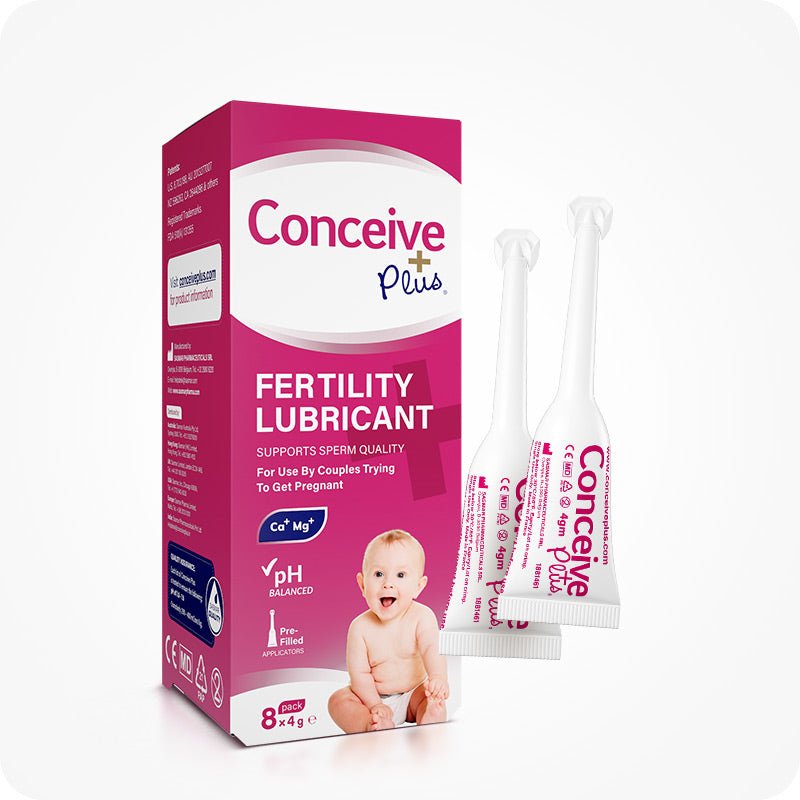
La santé vaginale joue un rôle majeur dans ce parcours. La plupart des gens ne réalisent pas que les lubrifiants standards vendus en magasin peuvent en réalité être hostiles aux spermatozoïdes. Ces produits ont souvent un pH acide ou un taux de sel élevé qui entravent la motilité des spermatozoïdes. Maintenir un pH vaginal équilibré est essentiel car les spermatozoïdes ont besoin d’un environnement alcalin très spécifique pour survivre au passage dans le col de l’utérus. Si votre production naturelle de glaire semble faible, même lorsque vous identifiez correctement les symptômes d’ovulation, utiliser les bons produits de soutien peut faire une différence significative.
Créer un environnement fertile
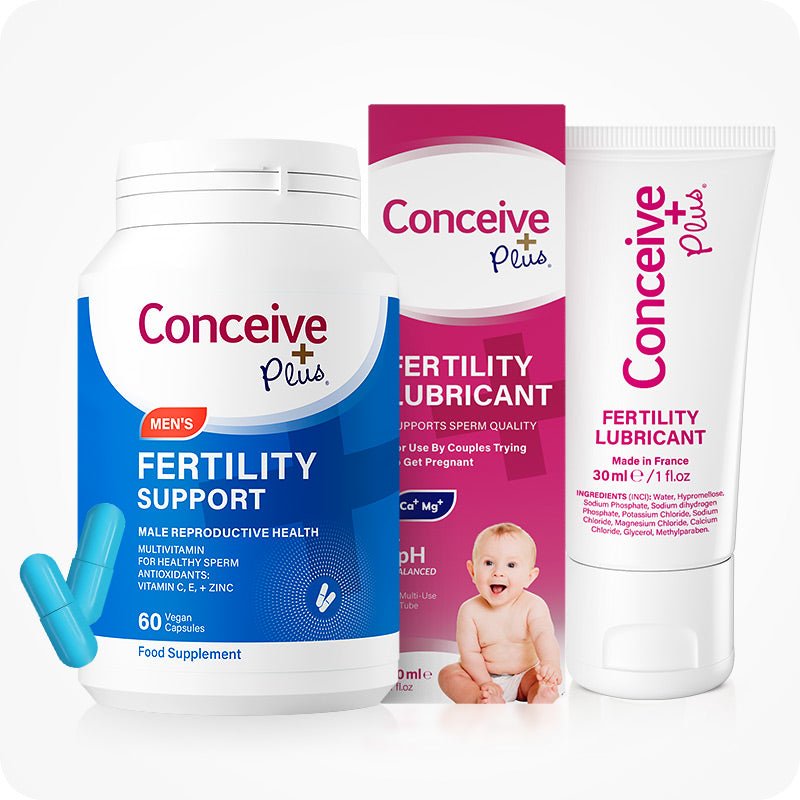
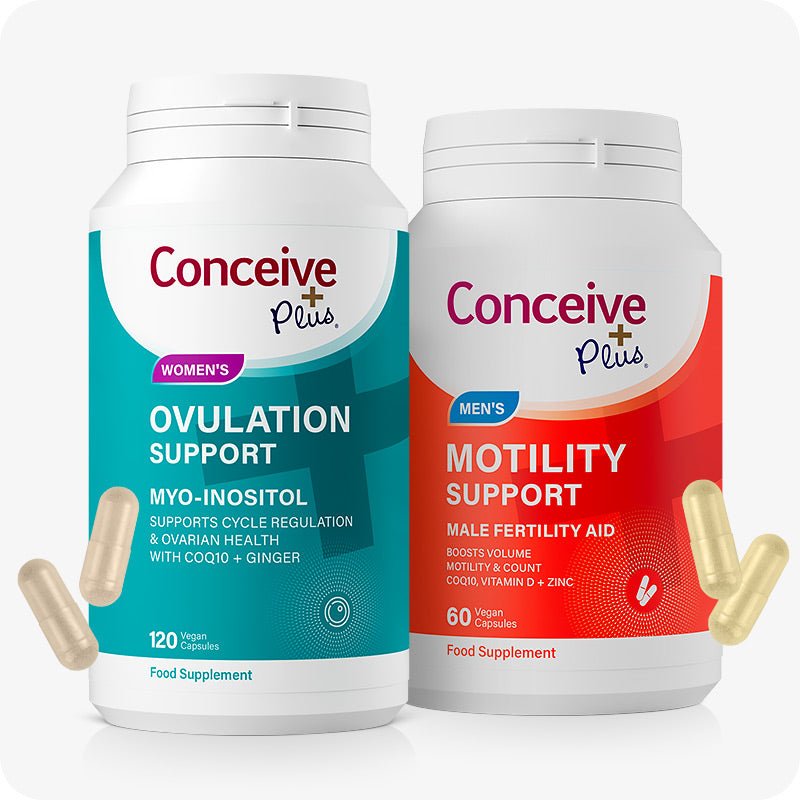
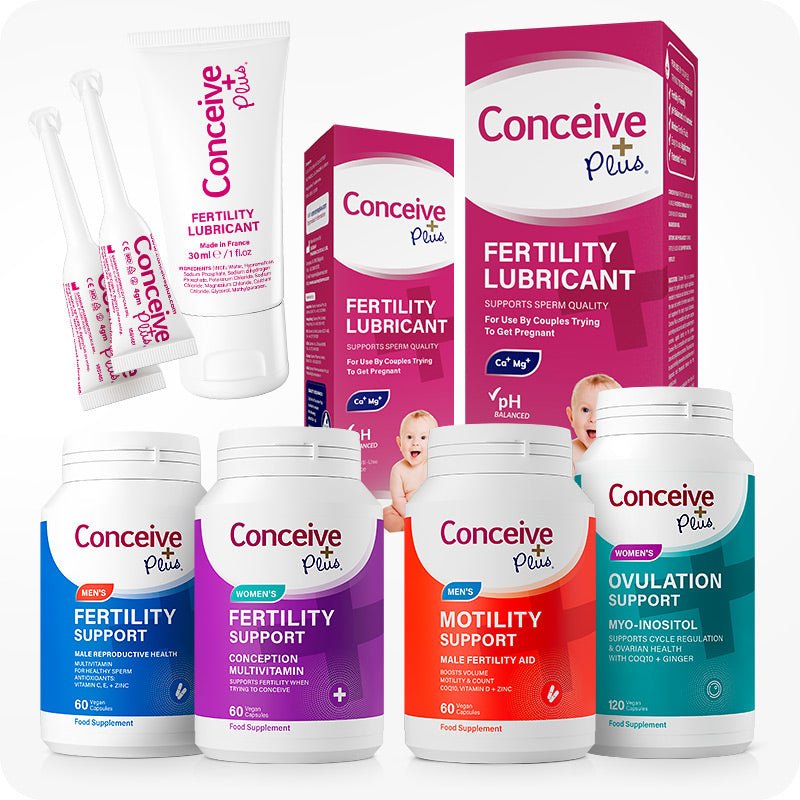
Il est souvent utile d'utiliser des produits spécialisés issus d'une collection fertilité conçus pour imiter les fluides fertiles naturels. Ces ensembles incluent souvent des compléments et des lubrifiants qui soutiennent l'équilibre hormonal et la longévité des spermatozoïdes. Des vitamines spécialisées, telles que celles contenant de l'acide folique, du myo-inositol et des antioxydants, aident à préparer votre corps de l'intérieur. Lorsque votre chimie interne est équilibrée, votre corps est mieux équipé pour produire la glaire cervicale de haute qualité nécessaire au transport et à la protection.
Quand consulter votre médecin
Si vous suivez votre température basale depuis plusieurs mois sans observer une augmentation constante ni la présence de glaire fertile, vous pourriez souffrir d'anovulation. Il s'agit d'une condition où aucun ovule n'est libéré malgré un cycle menstruel régulier. En général, la « règle de l'année » s'applique à la plupart des couples, mais si vous avez plus de 35 ans, il est conseillé de consulter un professionnel après six mois d'essais. Vous pouvez souvent trouver des kits de test précoces et du soutien via des offres spéciales pour recueillir plus de données avant votre premier rendez-vous chez un spécialiste. Enfin, n'oubliez pas que la gestion du stress est essentielle. Un taux élevé de cortisol peut parfois retarder le pic de LH, rendant votre cycle plus difficile à prévoir. Trouver une routine qui vous détend est aussi important que le suivi lui-même.
Prenez le contrôle de votre fenêtre fertile
Maîtriser les symptômes spécifiques d'ovulation à surveiller est l'étape la plus valorisante que vous puissiez franchir dans votre parcours vers la parentalité. En combinant les « Trois Grands » indicateurs principaux avec des signaux secondaires subtils comme les changements d'humeur et sensoriels, vous dépassez les suppositions. Vous avez appris à établir une routine de suivi cohérente en 2026 et à optimiser votre environnement pour obtenir les meilleurs résultats possibles. Chaque cycle offre une nouvelle opportunité de mieux comprendre le rythme unique de votre corps.
Le succès dépend souvent du bon soutien au bon moment. Lorsque vous êtes prêt à passer du suivi à l'action, assurez-vous d'utiliser des produits conçus pour votre biologie. Découvrez toute la collection Conceive Plus Europe pour la fertilité et soutenez votre parcours et comprenez pourquoi nous sommes la marque de confiance de millions d'utilisateurs dans plus de 70 pays. Nos formulations ont été développées par des médecins de Harvard pour être compatibles avec les spermatozoïdes et équilibrées en pH, imitant les fluides naturels que votre corps produit pendant ses jours les plus fertiles. Vous n'avez pas à faire cela seul. Avec les bonnes connaissances et les bons outils, vous pouvez aborder votre parcours de conception avec confiance et sérénité.
Questions fréquemment posées
Combien de jours après mes règles commence-t-on à voir les symptômes d'ovulation ?
Vous commencez généralement à voir des signes environ 10 à 14 jours après le premier jour de vos règles si vous avez un cycle standard de 28 jours. Si votre cycle est plus court, par exemple 24 jours, vous pourriez remarquer des changements dès le septième jour. Ces signaux coïncident avec la montée d'œstrogènes qui prépare votre corps à libérer un ovule. Suivre ces signes pendant quelques mois vous aide à identifier votre base spécifique.
Puis-je ovuler sans avoir de symptômes visibles ?
Oui, il est tout à fait possible d'ovuler sans ressentir les symptômes évidents d'ovulation à surveiller comme des douleurs pelviennes ou une sensibilité des seins. Bien que des changements hormonaux se produisent toujours, les manifestations physiques peuvent être très subtiles pour certaines personnes. Dans ces cas, utiliser des outils comme un thermomètre basal ou des tests de prédiction d'ovulation devient essentiel pour confirmer que votre fenêtre fertile est bien ouverte.
Est-il possible d'avoir des symptômes d'ovulation sans réellement libérer un ovule ?
Il est possible de ressentir une accumulation hormonale sans libération réelle d'ovule, une situation souvent appelée « faux départ ». Votre corps peut produire de la glaire cervicale fertile et même une montée de LH en essayant d'ovuler. Cependant, si le follicule ne se rompt pas, l'ovule reste en place. C'est pourquoi de nombreux experts recommandent de suivre la température basale du corps pour confirmer que le changement thermique a eu lieu.
Combien de temps durent généralement les symptômes d'ovulation chaque mois ?
La plupart des signes de fertilité maximale durent entre deux et cinq jours, correspondant au pic de vos niveaux d'œstrogènes. La glaire cervicale fertile atteint généralement sa consistance « blanc d'œuf » pendant environ 24 à 48 heures. Une fois l'ovule libéré, il ne vit que 12 à 24 heures. Après cette courte période, la progestérone augmente et fait rapidement changer ou disparaître vos symptômes physiques.
À quoi ressemble la douleur d'ovulation et est-elle normale ?
La douleur d'ovulation se manifeste généralement par une douleur d'un côté ou une pression localisée dans le bas du bassin. Cette sensation, appelée Mittelschmerz, est considérée comme normale et touche environ 20 % des femmes. Elle peut ressembler à une pincée aiguë ou à une douleur sourde qui dure de quelques minutes à plusieurs heures. Elle survient lorsque le follicule s'étire ou se rompt pour libérer l'ovule mature.
La glaire cervicale change-t-elle immédiatement après la conception ?
La glaire cervicale ne fournit pas de signe immédiat de conception dans les jours qui suivent un rapport sexuel. Après l'ovulation, votre glaire devient naturellement plus épaisse et plus collante en raison de l'augmentation du taux de progestérone, que l'ovule ait été fécondé ou non. Vous ne remarquerez généralement pas de changements liés à la grossesse dans les pertes vaginales avant la date prévue de vos règles, lorsque votre corps commence à produire plus d'œstrogènes et de progestérone.
Le stress peut-il retarder l'ovulation et l'apparition des symptômes ?
Le stress peut avoir un impact significatif sur votre cycle en retardant la libération de l'hormone lutéinisante (LH). Lorsque vous êtes soumis à une pression physique ou émotionnelle intense, votre corps produit du cortisol, ce qui peut perturber la communication entre le cerveau et les ovaires. Cette perturbation peut repousser votre ovulation de plusieurs jours ou, dans certains cas, vous faire sauter l'ovulation pour ce mois précis.
Les tests prédictifs d'ovulation (OPK) sont-ils plus précis que le suivi des symptômes ?
Les tests d'ovulation (OPK) sont incroyablement précis pour mesurer les niveaux hormonaux, détectant la montée de LH dans environ 9 cas sur 10. Bien que ces tests soient très fiables, ils fonctionnent mieux lorsque vous connaissez aussi les symptômes physiques de l'ovulation à surveiller. Combiner les bandelettes de test avec l'observation de votre glaire cervicale offre une image plus complète, garantissant que vous ne commencez pas les tests trop tôt ou que vous ne manquez pas complètement la fenêtre.