Ovulation Tracking: The Complete Guide to Knowing Your Fertile Window


Ovulation Tracking: The Complete Guide to Knowing Your Fertile Window
Understanding your fertile window is one of the most empowering things you can do when trying to conceive. Despite popular belief, conception is only possible during a brief 24–48 hour window each cycle. Ovulation tracking gives you the ability to identify precisely when that window opens — dramatically increasing your chances of conception with each cycle.
This comprehensive guide covers every evidence-based method of ovulation tracking, from simple calendar methods to advanced hormone monitoring, helping you choose the approach that best suits your cycle and lifestyle.
Why Ovulation Tracking Matters for Conception
The human egg survives for only 12–24 hours after release. Sperm can survive in the female reproductive tract for up to 5 days. This creates a fertile window of approximately 5–6 days ending on the day of ovulation — with the peak fertile days being the 2 days before ovulation and ovulation day itself.
Studies show that couples who time intercourse during peak fertile days have conception rates up to 30% per cycle, compared to random timing which may achieve 15–20% per cycle. Over 6 cycles, this difference compounds significantly.
Yet research consistently shows that women often misidentify their fertile window. Many assume a 28-day cycle with ovulation on day 14, but actual ovulation timing varies dramatically — even in women with regular cycles. Ovulation tracking removes guesswork and replaces it with data.
Method 1: Ovulation Predictor Kits (OPKs)
Ready to support your fertility naturally? Conceive Plus offers clinically formulated supplements trusted by thousands of couples worldwide. Shop Conceive Plus →
OPKs are urine-based tests that detect the LH (luteinising hormone) surge that occurs 24–36 hours before ovulation. When you get a positive result (the test line is as dark or darker than the control line), ovulation typically occurs within 12–36 hours.
How to use:
- Begin testing 2–3 days before expected ovulation based on cycle length
- Test at the same time daily — ideally between 10am and 8pm, not first morning urine (which can miss the peak)
- Limit fluids 2 hours before testing for more concentrated results
- Test twice daily (morning and afternoon) if you have shorter cycles or suspect you're close to your LH peak
Advantages: Widely available, affordable, no special equipment needed, good accuracy
Limitations: Women with PCOS may have elevated baseline LH and get false positives; doesn't confirm ovulation actually occurred
Digital OPKs (like Clearblue) display results as smiley faces, removing the interpretation subjectivity of line-based tests. Advanced digital systems (Clearblue Advanced) can also identify two additional "high fertility" days before the LH peak, extending the actionable window.
Method 2: Basal Body Temperature (BBT) Charting
Basal body temperature (BBT) is your lowest resting temperature, taken immediately upon waking before any activity. After ovulation, progesterone causes a sustained temperature rise of 0.2–0.4°C (0.3–0.7°F) that persists until menstruation.
How to use:
- Take temperature at the same time every morning, before getting up
- Use a basal body thermometer (measuring to 0.01°C precision)
- Chart daily and look for a sustained rise above your previous 6-day average
- After 3 months of charting, patterns emerge allowing forward prediction
Advantages: Free, confirms ovulation occurred, identifies patterns over multiple cycles
Limitations: Retrospective only — by the time you see the rise, ovulation has usually passed. Sensitive to illness, alcohol, disrupted sleep, and travel.
BBT charting is most useful when combined with other methods. The post-ovulatory temperature rise confirms you ovulated, helping you optimise future cycle predictions.
Method 3: Cervical Mucus Monitoring
As oestrogen rises approaching ovulation, cervical mucus transforms from none or sticky/creamy to clear, stretchy, and egg-white consistency — often described as "egg white cervical mucus" (EWCM). This mucus creates a sperm-friendly environment and can extend viable sperm survival.
What to look for:
- Infertile: Dry, no mucus (immediately post-menstruation or early cycle)
- Low fertility: Sticky, whitish, crumbly — like paste
- Building fertility: Creamy, lotion-like, whitish
- Peak fertility: Clear, stretchy, raw egg-white consistency — can stretch 2.5+ cm between fingers
Intercourse during peak cervical mucus (EWCM) corresponds closely with the fertile window. Research from large natural family planning studies shows EWCM days have high conception probability — often above 20% per day during peak days.
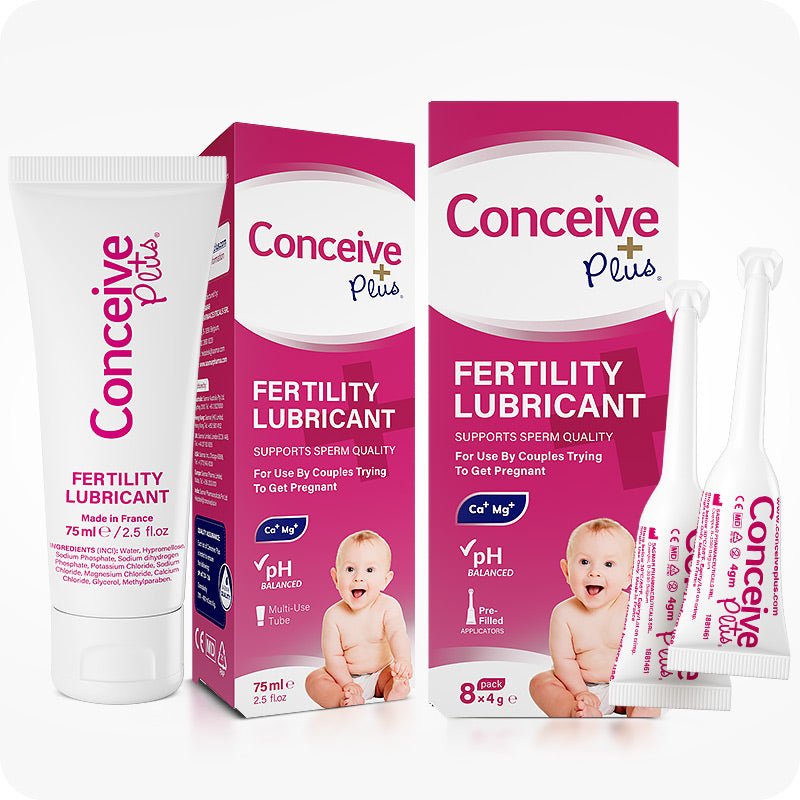
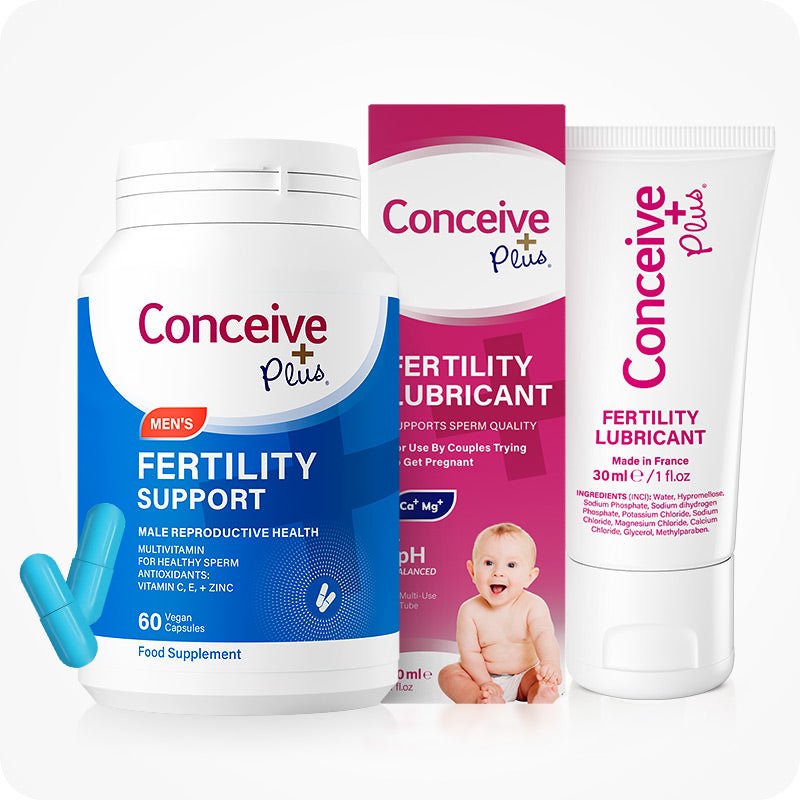
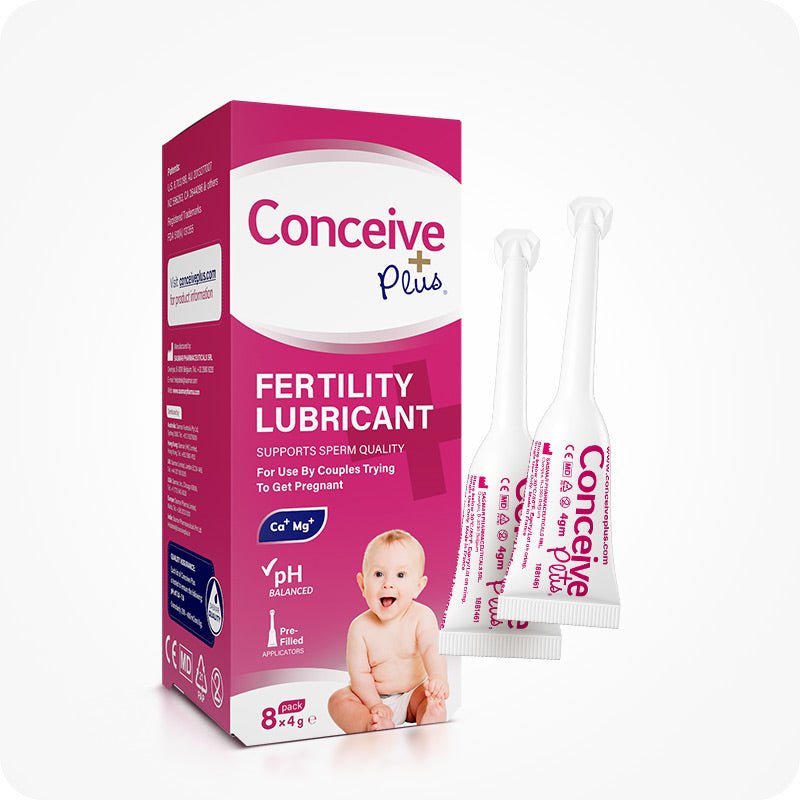
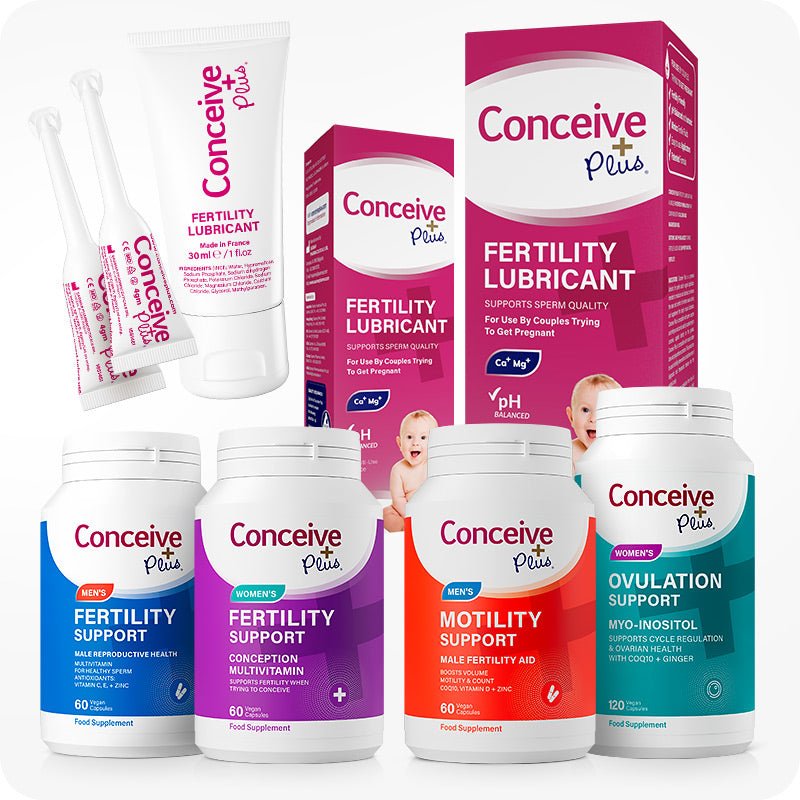
Limitation: Some women produce reduced or absent EWCM due to low oestrogen, previous infections, cervical procedures, or antihistamine use. Conceive Plus fertility lubricant is designed to replicate the cervical mucus environment for couples experiencing dryness or reduced natural mucus.
Method 4: Fertility Monitors
Advanced fertility monitors (Clearblue Fertility Monitor, Mira, Inito) measure multiple hormones in urine — typically oestrogen, LH, and sometimes progesterone and FSH — to map the full hormonal picture of your cycle.
These devices track personalised hormone baselines rather than comparing to population averages, making them significantly more accurate for women with cycle variations or hormonal irregularities.
Mira Fertility Tracker: Uses quantitative LH measurement — giving actual hormone values rather than positive/negative. Particularly useful for women with PCOS who may have consistently elevated LH and get false positives on standard OPKs.
Inito: Measures four hormones (oestrogen, LH, FSH, PdG — a progesterone metabolite) and can confirm ovulation occurred, addressing the retrospective limitation of BBT.
Method 5: Ultrasound Follicular Tracking
The gold standard for ovulation confirmation. During a clinical cycle, transvaginal ultrasound can directly visualise follicle growth and collapse at ovulation. A dominant follicle grows to approximately 18–24mm before ovulating, then collapses and transforms into the corpus luteum.
Follicular tracking is used in fertility clinic cycles (Clomid, letrozole, IUI, IVF) but can also be performed as a diagnostic cycle to confirm ovulation is occurring and assess follicle development.
Combining Methods: The Symptothermal Approach
The most accurate non-clinical approach combines multiple signals:
- OPK to identify the LH surge and 24–36 hour ovulation window
- Cervical mucus to confirm approaching fertile phase
- BBT to retrospectively confirm ovulation occurred
Studies show combining two or more methods reduces missed fertile windows by over 50% compared to any single method alone.
Ovulation Support Supplements
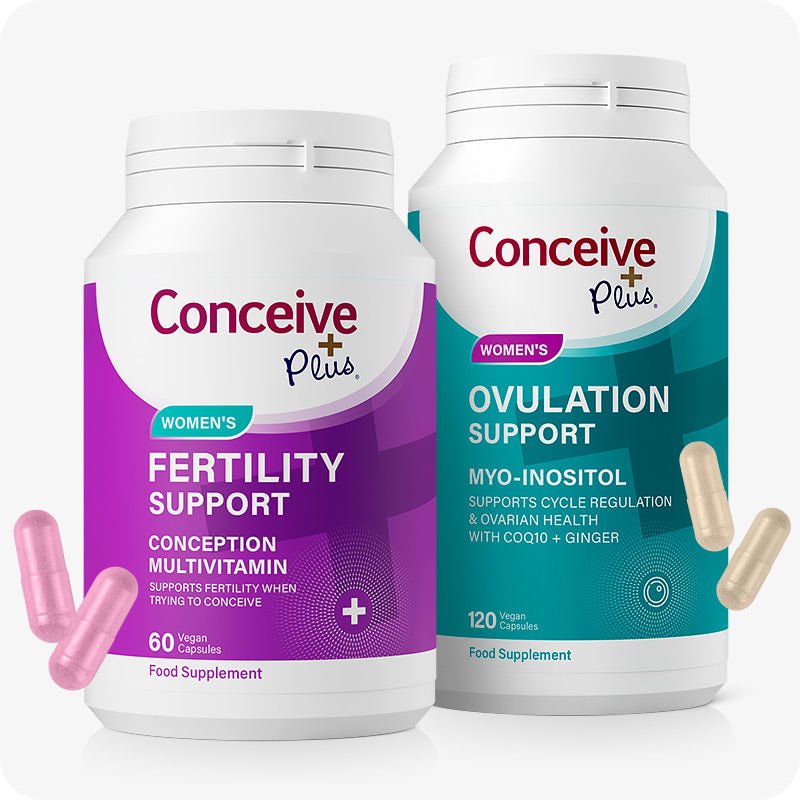
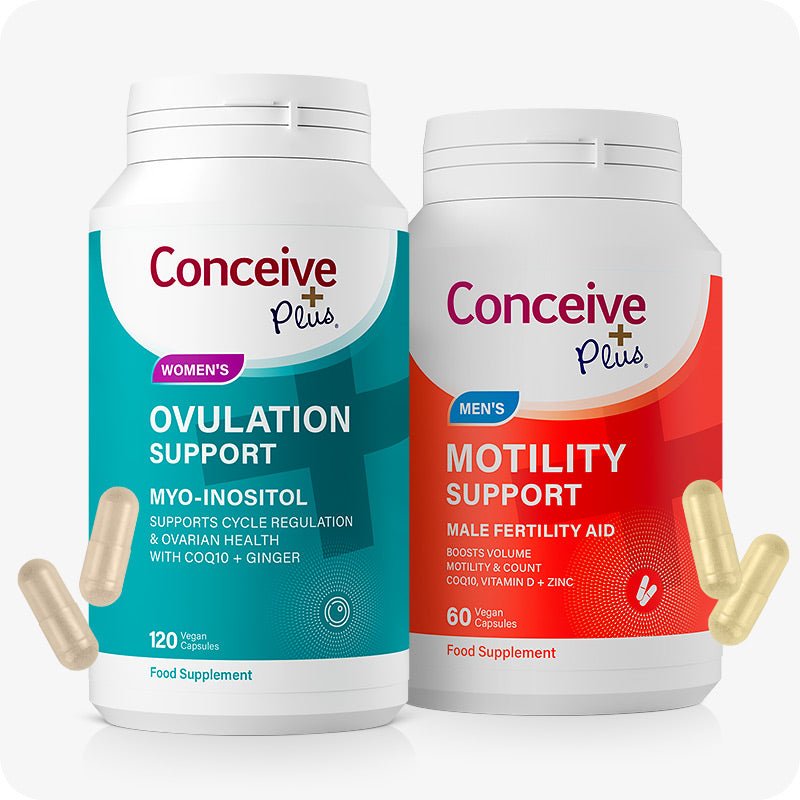
Some women benefit from nutritional support for more regular, predictable ovulation. Conceive Plus Ovulation Support contains myo-inositol, D-chiro-inositol, vitamin D, CoQ10, and folate — specifically formulated to support regular ovulation in women with PCOS or irregular cycles. Supporting ovulation regularity makes tracking more reliable and conception timing more effective.
Special Situations: Irregular Cycles and PCOS
Standard calendar prediction is unreliable for women with irregular cycles. OPKs remain useful but require starting testing early and potentially testing for many days. Advanced fertility monitors that track personalised hormone baselines (Mira, Inito) are particularly helpful in this group.
Women with PCOS often have multiple LH surges that don't lead to ovulation, making standard OPK interpretation difficult. Quantitative monitors that track actual LH values help identify true ovulatory surges. Combining with progesterone confirmation (Inito's PdG test or a blood test) is recommended to confirm ovulation actually occurred.
How Long Should It Take? When to Seek Help
Once you're accurately timing intercourse during the fertile window, most healthy couples conceive within 6–12 months. If pregnancy hasn't occurred after:
- 12 months of correctly timed intercourse for women under 35
- 6 months for women 35–39
- 3 months for women 40+
- Immediately if you have known risk factors (PCOS, endometriosis, previous STIs, male factor history)
...seek evaluation from a reproductive specialist.
Frequently Asked Questions: Ovulation Tracking
When should I start tracking ovulation each cycle?
Start tracking OPKs from cycle day 10 for a standard 28-day cycle. For shorter cycles (24–26 days), start day 7–8. For longer cycles (35+ days), start around day 12–14. If irregular, start day 8–10 and test twice daily during the likely window.
How do I know if I've actually ovulated?
OPKs only detect the LH surge — not ovulation itself. To confirm ovulation occurred: 1) BBT rise of 0.2°C+ sustained for 3+ days post-surge; 2) Mid-luteal progesterone blood test (day 21 for 28-day cycles) showing >30 nmol/L; 3) Post-ovulatory PdG urine test (Inito); 4) Ultrasound showing follicle collapse.
My OPK is always positive — could I have PCOS?
Consistently high LH (always getting positive OPKs) can indicate PCOS, where LH is chronically elevated. This can cause false positives on threshold-based OPKs. A quantitative monitor (Mira) that tracks your personal LH baseline, or a blood LH/FSH ratio test, can help distinguish true surges from baseline elevation.
Can I track ovulation while breastfeeding?
Ovulation tracking is possible while breastfeeding but unreliable if you're fully lactating with no menstruation. Prolactin suppresses LH pulsatility and ovulation. BBT charting can help identify when cycles are resuming. OPK use can help but results are less predictable in this hormonal context.
Does a positive OPK mean I will definitely ovulate?
Not always. The LH surge triggers ovulation, but sometimes follicles don't rupture despite the surge (LUFS — luteinised unruptured follicle syndrome). This is why confirming ovulation through BBT, progesterone test, or progesterone metabolite urine testing adds important certainty.
How many days before ovulation is the most fertile day?
The highest probability of conception is on the day before ovulation and the day of ovulation itself. The 2 days preceding these (days -3 and -4) also have good conception probability due to sperm survival. Having intercourse on days -2, -1, and 0 (ovulation day) covers the optimal window.
Can stress delay ovulation?
Yes. Psychological stress elevates cortisol, which can suppress GnRH pulsatility and delay or suppress ovulation. Stressful life events, travel, illness, and extreme exercise can all push ovulation later in the cycle or cause anovulatory cycles.
Is it possible to have a period without ovulating?
Yes — anovulatory cycles (cycles without ovulation) are more common than many realise. The bleed that occurs is caused by oestrogen withdrawal, not true menstruation following a luteal phase. Anovulatory cycles are common in PCOS, perimenopause, extreme stress, undereating, and athletes with low body fat.
Start Your Fertility Journey with Conceive Plus
Conceive Plus products are scientifically formulated to support your path to parenthood. Join over 500,000 couples who trust Conceive Plus.
Shop Now at Conceive Plus