Male Fertility Supplements: A Science-Backed Guide for Men Trying to Conceive


Male Fertility Supplements: A Science-Backed Guide for Men Trying to Conceive
Male fertility contributes to approximately 50% of all cases of difficulty conceiving, yet the male factor remains far less discussed, far less tested, and far less addressed than female fertility. If you and your partner are trying to conceive, male fertility optimisation is just as important as anything your partner does — and supplements play a meaningful role.
This guide explains what the science actually says about male fertility supplements, which nutrients have genuine clinical evidence, and how Conceive Plus supports male reproductive health as part of a comprehensive approach to conception.
Why Male Fertility Matters More Than Most Couples Realise
The traditional view of fertility challenges focuses heavily on women — egg quality, ovarian reserve, uterine conditions. But the data tells a different story: male factors account for approximately 30–40% of infertility cases as a sole cause, and contribute to an additional 20–30% of cases alongside female factors.
Even when a standard semen analysis returns "normal" results, sperm DNA fragmentation — damage to the genetic material within sperm — can be present at levels that impair fertilisation and embryo development. DNA fragmentation is not detected by routine semen analysis, which only measures count, motility, and morphology.
Research suggests 15–25% of infertile men have elevated DNA fragmentation despite normal semen parameters. This matters because: sperm with high DNA fragmentation may fertilise eggs but produce poor-quality embryos; it contributes to recurrent miscarriage; and it significantly reduces IVF/ICSI success rates even with good semen quality on paper.
The good news: oxidative stress is the primary driver of sperm DNA fragmentation — and oxidative stress is directly addressable with antioxidant supplementation.
The Oxidative Stress Problem in Male Fertility
Visit conceiveplus.eu and explore the full Conceive Plus range — trusted by couples worldwide.
Sperm cells are uniquely vulnerable to oxidative damage. The membrane surrounding sperm is composed largely of polyunsaturated fatty acids — highly susceptible to attack by reactive oxygen species (ROS). Sperm also have limited antioxidant defences of their own, making them dependent on the antioxidant environment of the seminal plasma and the male reproductive tract.
Sources of oxidative stress that damage sperm include:
- Smoking (significantly elevated ROS in seminal plasma)
- Alcohol consumption
- Heat exposure (tight underwear, hot baths, laptop on lap, heated car seats)
- Environmental toxins (pesticides, BPA, heavy metals)
- Obesity and poor metabolic health
- Chronic inflammation (varicocele, infections, inflammatory conditions)
- Sedentary lifestyle and poor diet
Antioxidant male fertility supplements work by directly neutralising the reactive oxygen species responsible for sperm DNA damage — improving sperm quality from the inside out.
Evidence-Based Male Fertility Supplements: The Core Nutrients
Zinc
Zinc is perhaps the most critical mineral for male reproductive health. It is concentrated in the prostate and seminal plasma at levels 100 times higher than in the blood, and plays essential roles in testosterone synthesis, sperm production (spermatogenesis), and DNA protection.
Zinc deficiency is associated with reduced testosterone, lower sperm count, and impaired sperm motility. Clinical supplementation studies consistently show improvements in sperm concentration and motility in zinc-deficient men. European and Asian dietary surveys suggest up to 30% of men have inadequate zinc intake.
Selenium
Selenium is a cofactor for glutathione peroxidase — the primary antioxidant enzyme in sperm. It is essential for normal sperm tail structure (the flagellum contains a selenium-rich protein called selenoprotein P) and for forward progressive motility.
A 2011 study in Andrologia found selenium supplementation significantly improved sperm motility and morphology in infertile men. Selenium and zinc together have synergistic effects on sperm quality — they are more effective in combination than either alone.
Coenzyme Q10 (CoQ10)
CoQ10 provides mitochondrial energy to sperm — the same energy needed to power the flagellar movement that propels sperm toward the egg. CoQ10 is also a potent antioxidant that protects sperm cell membranes from oxidative damage.
A meta-analysis published in the Journal of Urology found CoQ10 supplementation significantly improved sperm concentration, motility, and morphology in men with idiopathic infertility. Doses used in trials range from 200–600 mg/day. Ubiquinol (the reduced form) has superior bioavailability.
L-Carnitine
L-carnitine and its derivative acetyl-L-carnitine are highly concentrated in the epididymis — the structure where sperm mature and acquire motility. L-carnitine provides the energy substrate for sperm motility, essentially fuelling the engine that drives sperm forward.
Multiple RCTs demonstrate L-carnitine supplementation improves sperm motility and total motile sperm count. A 2012 meta-analysis found carnitine supplementation significantly improved sperm parameters and was associated with higher pregnancy rates. It is particularly beneficial for men with asthenozoospermia (low motility).
Folate (as Methylfolate)
Folate is essential for DNA synthesis and repair in sperm. Studies show low folate status is associated with higher rates of sperm DNA fragmentation and chromosomal abnormalities (aneuploidy). Methylfolate — the bioactive form — is preferable to standard folic acid, especially for the significant proportion of men who carry MTHFR variants affecting folic acid conversion.
Vitamin C
Vitamin C is the primary water-soluble antioxidant in seminal plasma. It protects sperm DNA from oxidative damage and has been shown in studies to reduce DNA fragmentation in men who smoke or have high oxidative stress. Daily vitamin C supplementation (at least 250–1000 mg) is associated with improved sperm motility and morphology.
Vitamin E
The fat-soluble counterpart to vitamin C, vitamin E protects sperm cell membranes from lipid peroxidation. Combined vitamin C and E supplementation shows additive benefits for reducing sperm DNA damage. Vitamin E works synergistically with selenium in protecting sperm membranes.
Omega-3 DHA
DHA (docosahexaenoic acid) is the primary omega-3 fatty acid in sperm cell membranes. The DHA content of sperm membranes is directly linked to sperm fluidity, motility, and the ability to undergo the acrosome reaction (necessary for egg penetration). Low DHA in sperm membranes is associated with poor motility and morphology.
Conceive Plus Male Fertility Supplements
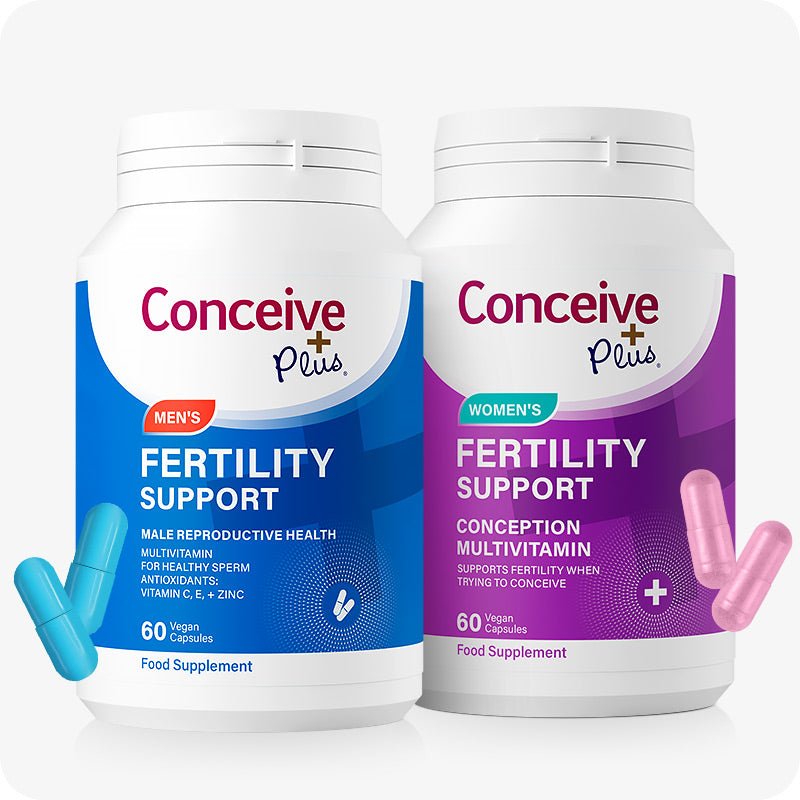
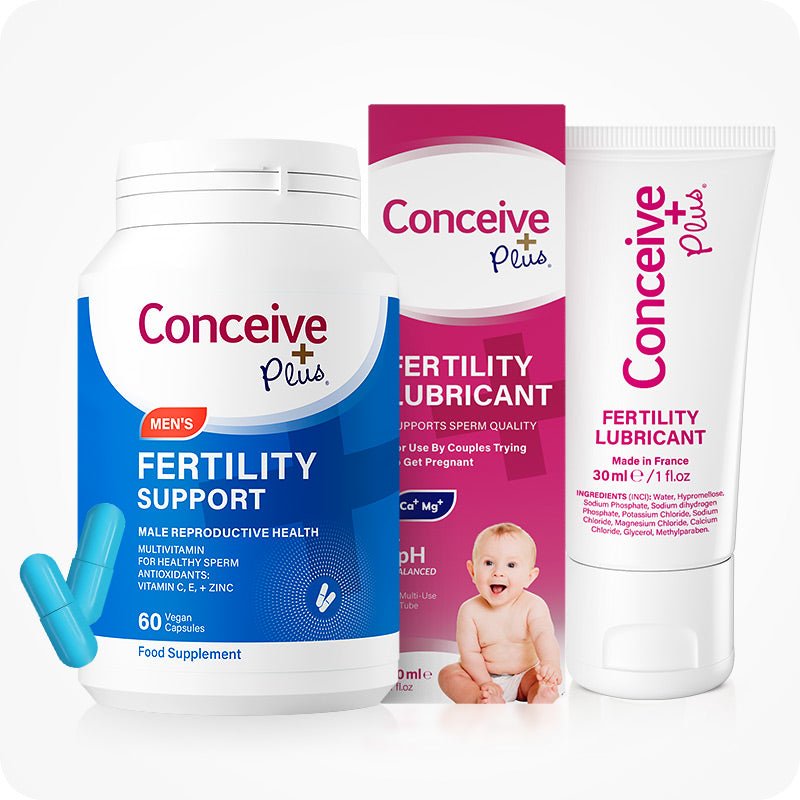
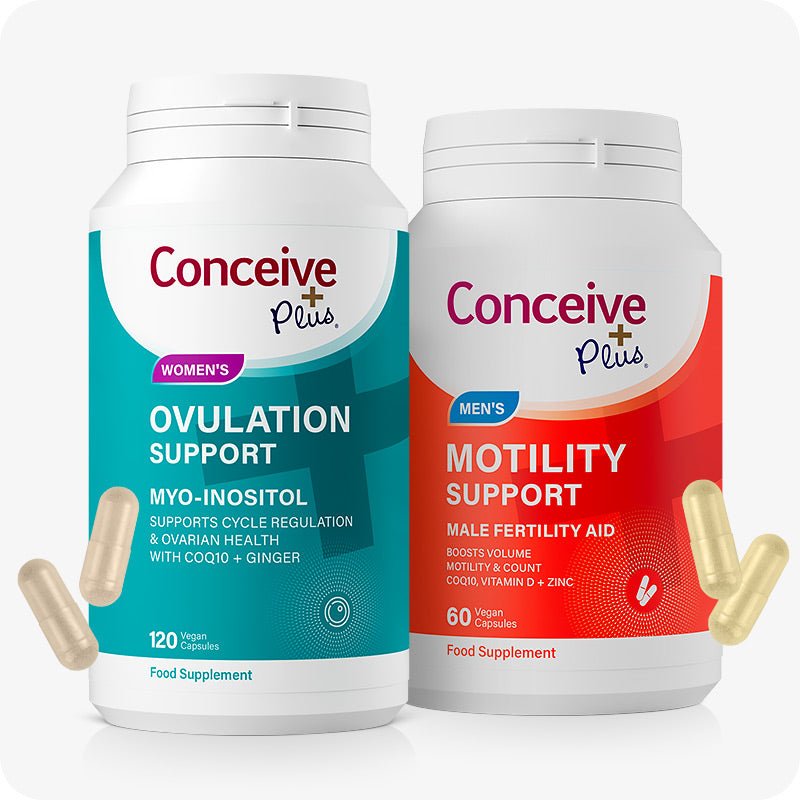
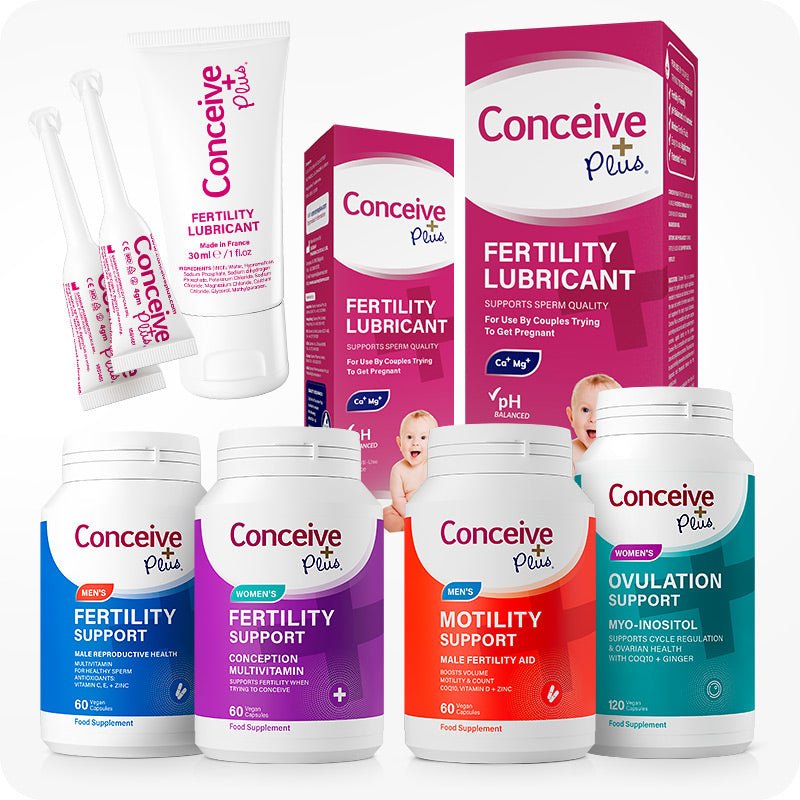
The Conceive Plus men's fertility supplement range combines the evidence-based nutrients above — zinc, selenium, CoQ10, L-carnitine, methylfolate, vitamins C and E, and omega-3 DHA — in a single, clinically-informed formulation.
Rather than purchasing 6–8 separate supplements (with the associated cost and complexity), Conceive Plus provides the comprehensive antioxidant and nutritional support that male fertility research consistently supports — in the correct forms and at evidence-informed doses.
A minimum 3-month course is recommended, aligned with the 74-day sperm production cycle (spermatogenesis). Changes made today will be reflected in the sperm produced 3 months from now.
Support your sperm health from the inside out.
Explore the Conceive Plus Men's Fertility Supplement Range — evidence-based nutrition for men trying to conceive.
Lifestyle Factors That Amplify (or Undermine) Male Fertility Supplements
Supplements work best as part of a broader approach to male fertility optimisation. Key lifestyle factors:
Heat: The testes are located outside the body because sperm production requires a temperature 2–4°C below core body temperature. Heat exposure — from hot tubs, saunas, tight underwear, laptops on the lap, or heated car seats — impairs spermatogenesis. Switch to loose-fitting cotton underwear, avoid prolonged heat exposure, and allow proper scrotal ventilation.
Smoking: Smoking has a dramatic negative effect on sperm quality — increasing DNA fragmentation by up to 60%, reducing motility and morphology, and lowering testosterone. If there is one lifestyle change a man can make for fertility, quitting smoking is it.
Alcohol: Moderate to heavy alcohol consumption reduces testosterone, impairs sperm quality, and increases estrogen levels in men. Reducing to no more than 2–3 units per week and ideally abstaining during the conception period is recommended.
Exercise: Regular moderate exercise improves testosterone levels, reduces oxidative stress, and supports healthy sperm parameters. Extreme endurance exercise (ultramarathons, daily intense training) can transiently reduce testosterone and impair sperm quality — moderation is key.
Diet: A diet rich in antioxidants (colourful fruits and vegetables), zinc (meat, seafood, pumpkin seeds), selenium (Brazil nuts, fish), and omega-3 (oily fish) directly supports seminal plasma antioxidant capacity.
Frequently Asked Questions About Male Fertility Supplements
How long do male fertility supplements take to work?
Sperm take approximately 74 days to develop from stem cells to mature sperm, plus an additional 2 weeks in the epididymis — totalling around 90 days from start to ejaculation. This means any supplement change will not be reflected in semen analysis for at least 3 months. Plan a full 3-month course before reassessing.
Can male fertility supplements fix low sperm count?
They may improve it, particularly if the cause is nutritional deficiency, oxidative stress, or poor lifestyle factors. However, severe oligospermia (very low sperm count) caused by structural abnormalities, hormonal conditions, or varicocele may require medical intervention beyond supplementation. A semen analysis and consultation with a urologist or andrologist is warranted before relying solely on supplements for severe cases.
Do male fertility supplements improve IVF success?
Yes — meaningfully. A Cochrane systematic review of 61 trials found antioxidant supplementation in male partners was associated with significantly higher live birth rates and clinical pregnancy rates in couples undergoing assisted reproduction. Reducing sperm DNA fragmentation directly improves embryo quality and implantation success.
Can I take male fertility supplements with other medications?
Most antioxidant fertility supplements are safe alongside common medications, but specific interactions are possible. High-dose vitamin E may interact with blood thinners. Zinc can reduce absorption of certain antibiotics. Always disclose supplements to your GP or specialist, particularly if taking prescription medications.
Is there a specific diet to improve sperm quality?
The Mediterranean diet has the strongest evidence base for male fertility. Key elements: oily fish (sardines, mackerel, salmon), abundant vegetables and fruits, nuts and seeds, legumes, and olive oil. Reduce processed meat, trans fats, alcohol, and refined sugar. This dietary pattern consistently associates with improved sperm concentration, motility, and morphology in observational studies.
Does stress affect sperm quality?
Yes. Chronic psychological stress elevates cortisol, which can suppress testosterone and impair sperm production. Acute psychological stress before ejaculation has been shown to alter semen parameters in some studies. Stress management is a legitimate component of male fertility optimisation — alongside nutritional approaches.
What is sperm DNA fragmentation and can supplements reduce it?
DNA fragmentation refers to breaks in the DNA strands within sperm nuclei. It is caused primarily by oxidative stress. High fragmentation (above 25–30% DFI) impairs fertilisation, embryo quality, and increases miscarriage risk. Multiple clinical trials demonstrate antioxidant supplementation (particularly vitamin C, E, CoQ10, and carnitine) significantly reduces sperm DNA fragmentation over 3 months of use.
Conclusion: Male Fertility Is 50% of the Equation
The evidence is clear: male fertility matters enormously, and it is significantly modifiable through nutrition, lifestyle, and targeted supplementation. The 74-day sperm production cycle means every man TTC should start optimising now — the sperm that will be available for conception 3 months from now are being produced today.
Conceive Plus makes it straightforward: a comprehensive male fertility supplement providing the full spectrum of evidence-based nutrients, in the right forms, at clinically-informed doses. Combined with lifestyle optimisation, it's the most effective thing a man can do to support his and his partner's conception journey.
Start your 3-month sperm health protocol today.
Browse the Conceive Plus Male Fertility Supplement Range — trusted by men across Europe who are serious about their fertility.
Browse our complete fertility product range at conceiveplus.eu — free shipping available on qualifying orders.