Fertility Diet Guide: The Best Foods to Boost Your Chances of Conception


Fertility Diet Guide: The Best Foods to Boost Your Chances of Conception
What you eat in the months before conception may be just as important as any fertility treatment. A growing body of scientific evidence links dietary patterns to reproductive outcomes — for both men and women. This comprehensive fertility diet guide covers the key nutrients, food groups, and eating patterns that support hormonal balance, egg quality, sperm health, and ultimately, your chances of conceiving.
The Science Behind a Fertility Diet
The concept of a "fertility diet" gained scientific backing primarily from the landmark Nurses' Health Study II, which followed over 18,000 women trying to conceive. Researchers found that specific dietary patterns were associated with significantly lower rates of ovulatory infertility. Women who followed the "fertility diet" — characterized by higher intake of plant protein, full-fat dairy, complex carbohydrates, iron from plant sources, and key micronutrients — had a 66% lower risk of ovulatory infertility compared to those with the least fertility-friendly diets.
For men, the evidence is equally compelling. Diet quality significantly influences sperm parameters. A 2018 meta-analysis in Andrology found that men with the highest adherence to a "Western diet" (high in processed foods, red meat, high-sugar drinks) had significantly lower sperm quality across multiple parameters compared to those eating Mediterranean-style diets.
Top Fertility Foods for Women
🌟 Ready to Optimise Your Fertility Journey?
Conceive Plus is trusted by couples worldwide and used in fertility clinics across 70+ countries. Designed with science, crafted for results.
Shop Conceive Plus Now →Focus on these nutrient-dense foods to support female reproductive health:
- Leafy dark greens (spinach, kale, rocket): Rich in folate, iron, and antioxidants. Folate is critical for preventing neural tube defects and supports healthy cell division during early conception. Aim for 2–3 servings daily.
- Legumes (lentils, chickpeas, black beans): Excellent plant-protein and iron sources. Research suggests substituting plant protein for animal protein reduces ovulatory infertility risk. Include legumes 4–5 times per week.
- Full-fat dairy (yoghurt, cheese, whole milk): The Nurses' Health Study found that full-fat dairy was associated with better ovulatory function compared to low-fat versions. One serving of full-fat dairy daily showed benefit.
- Fatty fish (salmon, mackerel, sardines): High in omega-3 DHA and EPA, which support uterine blood flow, reduce inflammation, and may improve egg quality. Aim for 2 servings per week (avoiding high-mercury species).
- Berries (blueberries, strawberries, raspberries): Among the highest antioxidant foods available. Antioxidants protect eggs from oxidative damage, which can affect chromosomal integrity.
- Avocado: Rich in folate, monounsaturated fats, and potassium. Studies suggest monounsaturated fats support IVF outcomes. Add half an avocado to daily meals.
- Walnuts: Unique plant-based source of omega-3 ALA plus antioxidants. A small handful daily provides fertility-supportive fats and magnesium.
- Eggs: Complete protein, choline (supports brain development from early pregnancy), vitamin D, and B12. Eat 4–7 eggs per week.
- Pumpkin seeds: Excellent plant-based zinc source. Zinc is involved in ovulation, fertilisation, and early embryo development. Sprinkle on salads or yoghurt.
- Whole grains (quinoa, oats, brown rice): Complex carbohydrates with lower glycaemic load than refined grains. Stable blood sugar supports hormonal balance and reduces insulin resistance, which improves ovulatory function.
Top Fertility Foods for Men
Male fertility nutrition focuses on antioxidants, specific minerals, and dietary patterns that protect sperm DNA and motility:
- Brazil nuts: Just 1–2 per day provides your entire daily selenium requirement. Selenium is essential for sperm structure and motility. Deficiency is linked to poor semen parameters.
- Oysters and shellfish: The richest food source of zinc — critical for testosterone production, sperm formation, and DNA integrity. Include 2–3 times per week.
- Tomatoes (especially cooked): Rich in lycopene, a powerful antioxidant. Cooking tomatoes in olive oil dramatically increases lycopene bioavailability. Studies link lycopene intake to improved sperm motility.
- Fatty fish: DHA is a key structural component of the sperm tail's midpiece. Men with good DHA status tend to have better sperm motility.
- Pomegranate: Extremely high antioxidant capacity. Early research shows pomegranate extract may improve sperm concentration and motility.
- Dark chocolate (70%+ cacao): Contains L-arginine, an amino acid that may improve sperm count and motility. Enjoy in moderation — 20–30g daily.
- Spinach and asparagus: Rich in folate, which supports sperm DNA integrity. Male folate deficiency is linked to increased sperm aneuploidy (abnormal chromosome number).
- Lean chicken and turkey: High-quality protein without the concerns of high processed meat intake. Protein is essential for testosterone production.
Foods and Substances to Limit or Avoid
Equally important as what to eat is what to reduce:
- Alcohol: Even moderate alcohol consumption (5+ drinks per week) is associated with reduced IVF success rates. For women TTC, the safest approach is abstinence, particularly in the luteal phase when an undetected pregnancy may begin.
- Caffeine: Current evidence suggests limiting to 200mg/day (roughly 1–2 cups of coffee). Higher consumption is associated with modestly increased miscarriage risk in some studies.
- Ultra-processed foods: High in trans fats, refined sugars, and food additives. Trans fats specifically are linked to ovulatory infertility. Cook from whole ingredients as much as possible.
- High-mercury fish: Shark, swordfish, king mackerel, and tilefish contain high mercury levels. Mercury disrupts hormonal function and harms early fetal development.
- Excess soy: Phytoestrogens in soy can theoretically interfere with hormone signalling in high amounts. Moderate soy consumption appears safe, but avoid concentrated soy isoflavone supplements when TTC.
- Refined carbohydrates and sugar: White bread, sugary cereals, pastries, and high-sugar beverages spike blood sugar and insulin, which disrupts ovulation in susceptible women (particularly those with PCOS).
Key Fertility Nutrients and Supplementation
Even a well-planned diet may leave gaps. These nutrients are particularly important when trying to conceive, and supplementation is often warranted:
- Folate (methylfolate preferred over folic acid): 400–800mcg daily minimum before conception. Women with MTHFR gene variants convert folic acid poorly and should use methylfolate specifically.
- Vitamin D: Deficiency is widespread across Europe, particularly in northern regions. Vitamin D receptors are present in ovarian follicles and testes. Optimal levels support egg quality and sperm function. Target serum 25(OH)D of 40–60 ng/mL.
- CoQ10 (Coenzyme Q10): A mitochondrial antioxidant. Egg and sperm quality both depend on mitochondrial energy production. CoQ10 supplementation (200–600mg/day) may improve egg quality, particularly for women over 35.
- Omega-3 DHA: If fish intake is low, supplement with 500–1000mg combined EPA/DHA from a quality fish oil or algae-based source.
- Zinc: 15–25mg for women, 25–45mg for men in supplement form supports both egg development and sperm production.
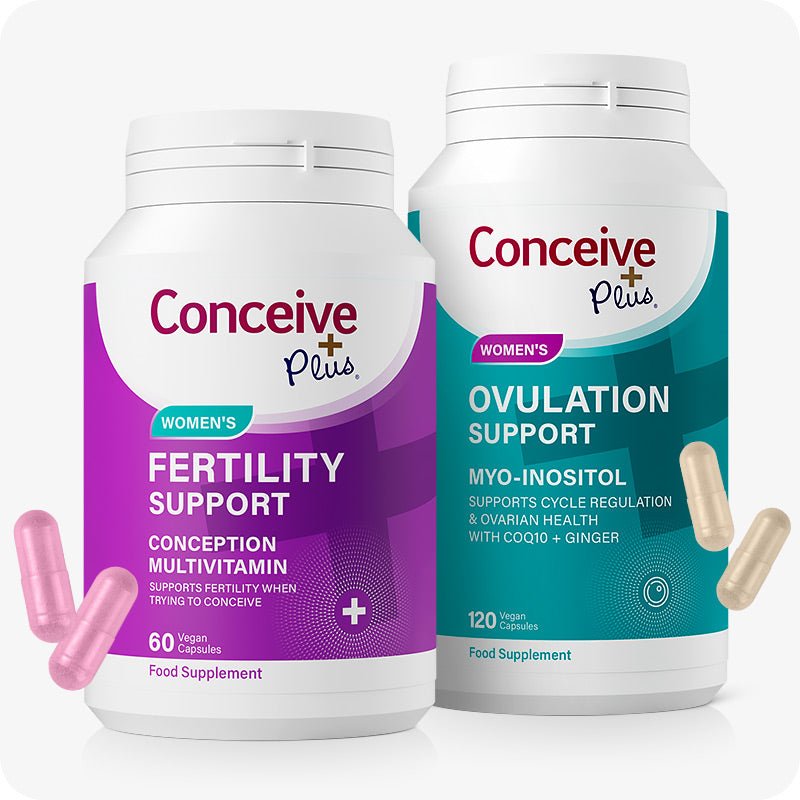
- Myo-inositol: Particularly important for women with PCOS. 2–4g daily improves insulin sensitivity and supports ovulation.
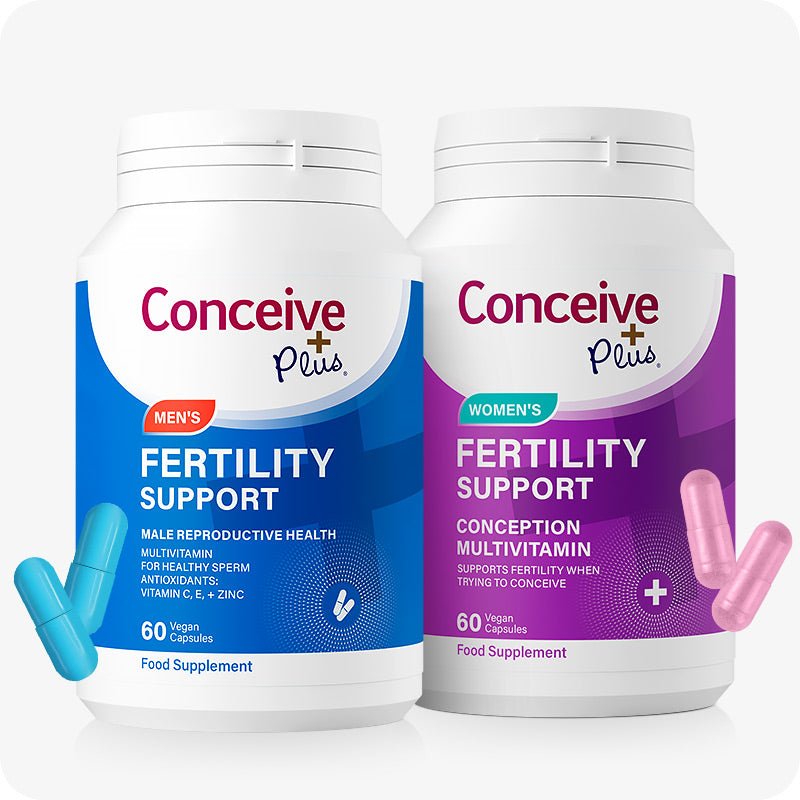
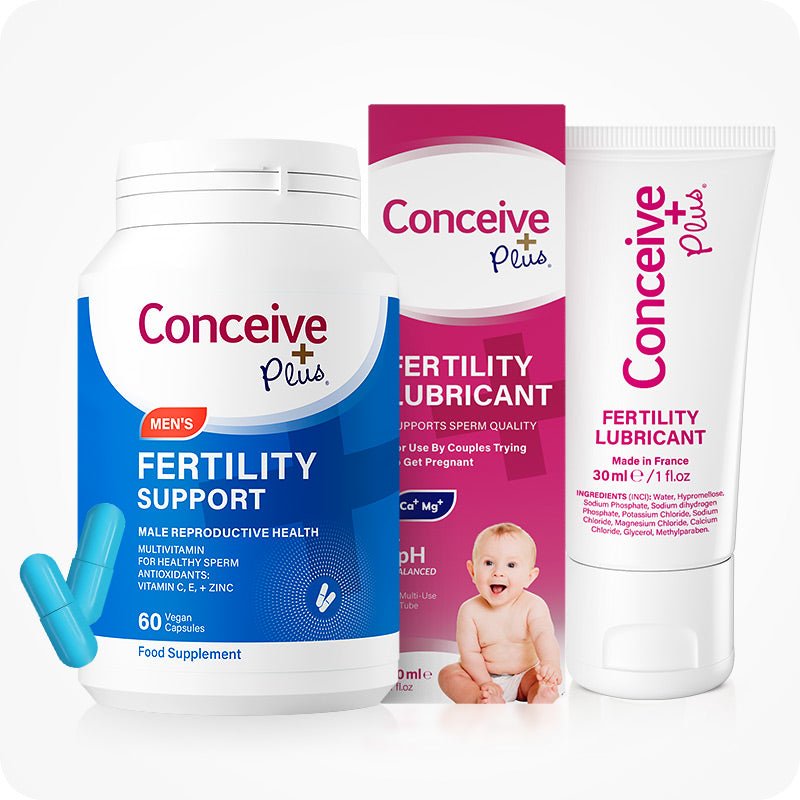
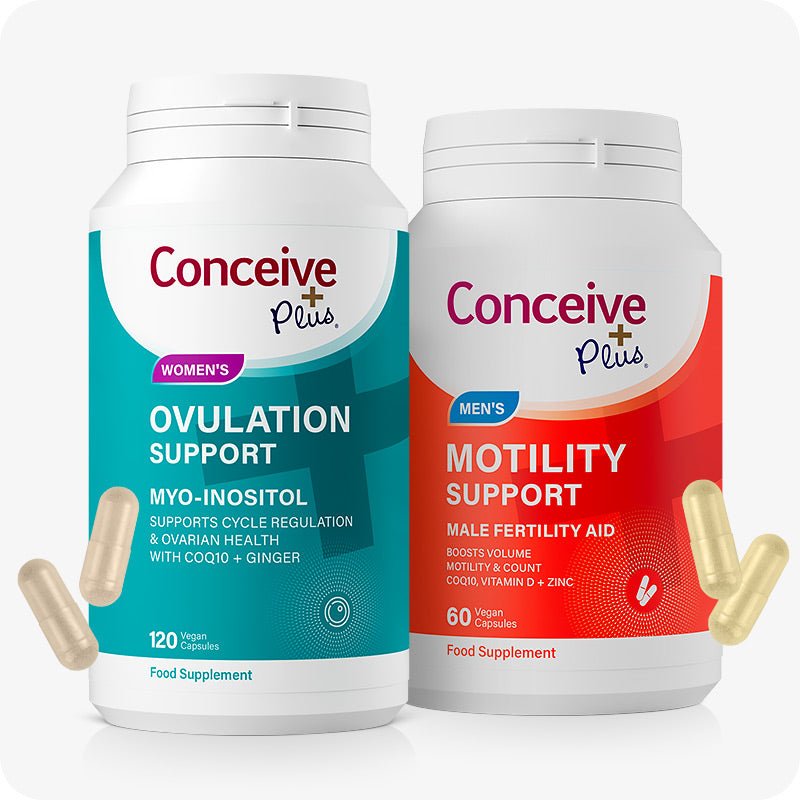
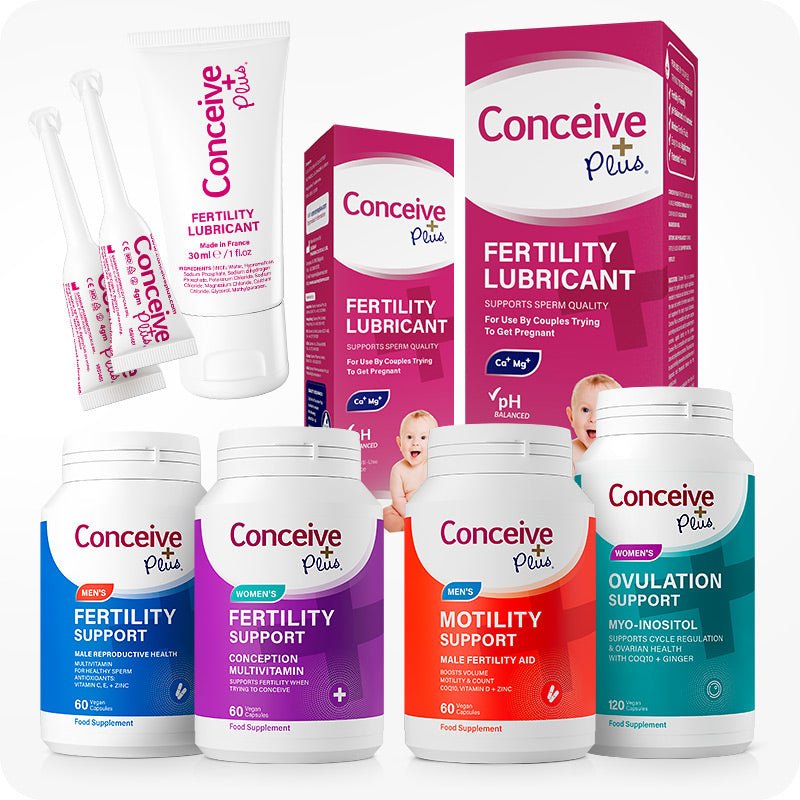
Conceive Plus manufactures comprehensive women's and men's fertility supplements containing these key nutrients in clinically supported forms. Available at conceiveplus.eu.
The Mediterranean Diet and Fertility
The Mediterranean diet — rich in vegetables, fruits, whole grains, legumes, nuts, olive oil, and moderate fish — consistently ranks as the most fertility-supportive dietary pattern in research. A 2018 study of 244 couples in Greece found that women with high adherence to the Mediterranean diet had 40% higher probability of achieving clinical pregnancy via IVF compared to those with low adherence.
The Mediterranean diet works for fertility because it provides:
- High antioxidant load that protects eggs and sperm from oxidative stress
- Anti-inflammatory properties that support uterine receptivity
- Stable blood sugar from low-glycaemic-load carbohydrates
- Adequate healthy fats for hormone production
- Diverse micronutrient profile from whole-food sources
Practical Fertility Meal Planning
Translating nutrition knowledge into daily eating doesn't have to be complex. Here's a sample fertility-optimised day:
- Breakfast: Greek yoghurt (full-fat) with mixed berries, walnuts, and a drizzle of honey. Plus a glass of water.
- Mid-morning: Apple with almond butter. Green tea (limited caffeine).
- Lunch: Large salad with rocket, chickpeas, avocado, cherry tomatoes, pumpkin seeds, and grilled salmon. Olive oil and lemon dressing.
- Afternoon snack: 2 Brazil nuts (for selenium) + a piece of whole fruit.
- Dinner: Grilled mackerel or chicken with roasted vegetables (courgette, red pepper, broccoli), quinoa, and olive oil. Tomato-based sauce for lycopene.
- Evening: Small square of dark chocolate (70%+ cacao). Herbal tea.
FAQ: Fertility Diet Guide
Q1: How long before trying to conceive should I start a fertility diet?
Ideally, 3–6 months before actively trying. This allows time for dietary changes to improve egg quality (which takes approximately 90 days to develop) and sperm parameters (spermatogenesis takes ~74 days). Both partners should begin dietary optimisation at the same time.
Q2: Does weight affect fertility?
Yes, significantly. Both underweight (BMI under 18.5) and overweight (BMI over 25–30) are associated with ovulatory disruption and reduced IVF success rates. A 5–10% loss in body weight for overweight women significantly improves ovulation and natural conception rates.
Q3: Is a vegan diet compatible with trying to conceive?
A well-planned vegan diet can support fertility, but requires careful attention to B12 (supplement essential), vitamin D, omega-3 DHA (algae-based supplements), iron, zinc, and calcium. Plant-based iron is less bioavailable than haem iron — combine with vitamin C foods to improve absorption.
Q4: Can fertility supplements replace a healthy diet?
No. Supplements fill nutritional gaps but cannot replicate the synergistic effect of whole food nutrients, fibre, and phytochemicals. Use supplements alongside a healthy diet, not instead of one.
Q5: Does gluten affect fertility?
For women with diagnosed coeliac disease, gluten causes intestinal damage that impairs nutrient absorption, which can affect fertility. A strict gluten-free diet is essential for coeliac patients. For those without coeliac disease or non-coeliac gluten sensitivity, there's no evidence that gluten harms fertility.
Q6: Is organic food necessary for fertility?
Evidence is mixed. Some studies link high pesticide exposure to reduced fertility. If budget allows, prioritise organic for the "dirty dozen" (highest-pesticide produce: strawberries, spinach, peppers, etc.). Washing all produce thoroughly and choosing organic where affordable is a reasonable approach.
Q7: Does sugar specifically harm fertility?
High sugar intake — particularly from sugar-sweetened beverages — is linked to reduced fertility, especially in women with insulin resistance. Sugar spikes insulin, which disrupts LH and FSH signalling. Minimising added sugar supports hormonal balance and metabolic health.
Q8: Can antioxidant supplements improve egg quality?
Yes, in some cases. CoQ10, vitamin E, vitamin C, and resveratrol are antioxidants that research suggests may improve markers of egg quality, particularly in older women. CoQ10 has the strongest evidence base — studies show 200–600mg daily may benefit women undergoing IVF.
Q9: Should men take supplements when their partner is trying to conceive?
Absolutely. Male factor infertility contributes to approximately 40–50% of fertility challenges. Men should take antioxidant supplements (zinc, selenium, folate, CoQ10, vitamin C, vitamin E) to support sperm quality. Conceive Plus men's fertility supplements provide these in appropriate doses.
Q10: Are there any dietary changes that improve implantation success specifically?
Evidence suggests omega-3 fatty acids, adequate vitamin D, and high-antioxidant diets support uterine receptivity. Some fertility dietitians recommend increasing complex carbohydrates in the luteal phase to support progesterone production. Pineapple core (containing bromelain) is a popular TTC community tip, though evidence is limited — it's unlikely to harm and may have minor anti-inflammatory effects.
💜 Take the Next Step With Conceive Plus
Whether you are just starting your TTC journey or you have been trying for a while, Conceive Plus offers clinically backed products to support every step. Join thousands of couples who have trusted Conceive Plus on their path to parenthood.
Explore Conceive Plus Products →