Die zweiwöchige Wartezeit: Ein vollständiger Leitfaden zum Überstehen und Gedeihen nach dem Eisprung


Die zweiwöchige Wartezeit verstehen
Die zweiwöchige Wartezeit (TWW) ist der Zeitraum zwischen dem Eisprung und Ihrer erwarteten Periode – ungefähr 10–14 Tage, die sich wie eine Ewigkeit anfühlen können, wenn Sie versuchen, schwanger zu werden. Dieses Zeitfenster, auch Lutealphase genannt, beginnt nach dem Eisprung und endet entweder mit der Einnistung (die zu einer Schwangerschaft führt) oder mit dem Einsetzen Ihrer Periode. Für alle, die schwanger werden möchten, wird die TWW oft als der emotional herausforderndste Teil der gesamten Fruchtbarkeitsreise beschrieben.
Die TWW existiert, weil sich nach dem Eisprung der geplatzte Follikel in den Gelbkörper verwandelt, der Progesteron produziert. Progesteron ist entscheidend, um die Gebärmutterschleimhaut auf die Einnistung vorzubereiten und eine frühe Schwangerschaft aufrechtzuerhalten. Wenn keine Einnistung erfolgt, degeneriert der Gelbkörper, der Progesteronspiegel sinkt und die Menstruation beginnt – typischerweise 12–16 Tage nach dem Eisprung. Erfolgt eine Einnistung, produziert der sich entwickelnde Embryo das humane Choriongonadotropin (hCG), das den Gelbkörper signalisiert, weiterhin Progesteron zu produzieren und so die Schwangerschaft zu erhalten.
Die biologische Realität der TWW ist, dass die meisten Vorgänge in diesem Zeitraum außerhalb Ihrer Kontrolle liegen. Sobald die Eizelle freigesetzt wurde und eine Befruchtung stattgefunden hat (oder nicht), werden die folgenden Ereignisse von komplexen molekularen und hormonellen Prozessen gesteuert, die nicht durch äußere Einflüsse verändert werden können. Dennoch ist die psychologische Erfahrung der TWW von intensiver Beobachtung, Hoffnung und Angst geprägt – oft begleitet von dem Suchen nach Symptomen, Googeln und zu frühem Testen.
Zu verstehen, was während der TWW tatsächlich in Ihrem Körper geschieht, kann den Prozess entmystifizieren und Ängste reduzieren. Obwohl Sie nicht kontrollieren können, ob eine Einnistung stattfindet, können Sie Ihren Körper durch optimale Ernährung, Stressmanagement und evidenzbasierte Praktiken unterstützen, die die bestmöglichen Voraussetzungen für eine gesunde Schwangerschaft schaffen.
Was während der zweiwöchigen Wartezeit passiert
Ein klarer Zeitplan der Ereignisse während der zweiwöchigen Wartezeit (TWW) kann Ihnen helfen zu verstehen, was Ihr Körper erlebt und wann ein Schwangerschaftstest verlässlich wird.
Tage 1–3 nach dem Eisprung (frühe Lutealphase): Nachdem die Eizelle aus dem Follikel freigesetzt wurde, wandert sie in den Eileiter, wo sie innerhalb von 12–24 Stunden von Spermien befruchtet werden kann. Die befruchtete Eizelle (jetzt Zygote) beginnt sich zu teilen, während sie den Eileiter in Richtung Gebärmutter durchläuft. Der Gelbkörper produziert aktiv Progesteron, das die Gebärmutterschleimhaut verdickt und empfänglicher für die Einnistung macht. In diesen frühen Tagen gibt es keine körperlichen Anzeichen, die zuverlässig darauf hinweisen, ob eine Befruchtung stattgefunden hat.
Tag 4–6 nach dem Eisprung (mittlere Lutealphase): Der sich entwickelnde Embryo, jetzt eine Morula und dann ein Blastozyst, gelangt in die Gebärmutterhöhle. Der Blastozyst beginnt, aus seiner äußeren Hülle (der Zona pellucida) auszubrechen, um sich auf die Einnistung vorzubereiten. Die Progesteronwerte steigen weiter an, und die Gebärmutterschleimhaut erreicht ihre maximale Dicke und Empfänglichkeit. Einige Frauen können in dieser Phase leichte Krämpfe oder Schmierblutungen erleben, diese Symptome sind jedoch unspezifisch und können unabhängig von einer Einnistung auftreten.
Tag 6–10 nach dem Eisprung (Einnistungsfenster): Der Blastozyst heftet sich an die Gebärmutterschleimhaut und beginnt mit der Einnistung. Die Einnistung erfolgt typischerweise 6–10 Tage nach dem Eisprung, wobei der häufigste Tag der 9. ist. Während der Einnistung erleben einige Frauen leichte Schmierblutungen, bekannt als Einnistungsblutung, die jedoch nur bei etwa 25 % der Schwangerschaften auftritt. Der sich entwickelnde Embryo beginnt hCG zu produzieren, das im Blut etwa 8–9 Tage nach dem Eisprung und im Urin etwa 10–12 Tage nach dem Eisprung erstmals nachweisbar ist.
Tag 11–14 nach dem Eisprung (späte Lutealphase): Wenn eine Einnistung stattgefunden hat, steigen die hCG-Werte schnell an und verdoppeln sich etwa alle 48 Stunden. Die Progesteronwerte bleiben erhöht und erhalten die Gebärmutterschleimhaut. Wenn keine Einnistung erfolgt ist, beginnt der Gelbkörper zu degenerieren, die Progesteronwerte sinken und die Gebärmutterschleimhaut beginnt sich abzustoßen – was zum Beginn der Menstruation führt. Die meisten Schwangerschaftstests für zu Hause sind ab dem ersten Tag der ausgebliebenen Periode zuverlässig, was etwa 14 Tage nach dem Eisprung entspricht.
Das Verständnis dieses Zeitplans ist entscheidend, da er erklärt, warum zu frühes Testen zu falsch-negativen Ergebnissen führt. Tests vor dem 10. Tag nach dem Eisprung liefern unzuverlässige Ergebnisse, und selbst Tests am 12. Tag nach dem Eisprung können bis zu 20 % der Schwangerschaften übersehen. Das Warten bis zum Tag Ihrer ausgebliebenen Periode liefert das zuverlässigste Ergebnis.
Umgang mit der TWW-Angst: Evidenzbasierte Strategien
Die emotionale Intensität der zweiwöchigen Wartezeit kann überwältigend sein, aber es gibt evidenzbasierte Strategien, um die Angst zu bewältigen und Ihr Wohlbefinden in dieser herausfordernden Zeit zu erhalten.
Ablenkung ist Ihr bester Freund: Eine der effektivsten Strategien, um die TWW zu überstehen, ist bewusste, geplante Ablenkung. Ein Projekt, eine Buchreihe, eine kreative Beschäftigung oder soziale Pläne, die Ihre Aufmerksamkeit wirklich fesseln, können verhindern, dass Sie sich obsessiv auf Symptome konzentrieren, was die TWW oft kennzeichnet. Viele Frauen finden, dass das Planen von Aktivitäten für jeden Tag der TWW – besonders solche, die während der Schwangerschaft oder mit einem Neugeborenen schwer durchzuführen sind – die Wartezeit von passivem Leiden zu aktivem Leben verwandelt.
Begrenzen Sie das Symptom-Suchen: Der Drang, jedes Ziehen, jede Krampf oder Stimmungsschwankung als Schwangerschaftsanzeichen zu deuten, ist während der TWW fast universell. Die Realität ist jedoch, dass Progesteron – das nach dem Eisprung erhöht ist, unabhängig davon, ob eine Schwangerschaft eintritt – viele der gleichen Symptome wie eine frühe Schwangerschaft verursacht: Brustspannen, Müdigkeit, Blähungen, Übelkeit und Stimmungsschwankungen. Das bedeutet, dass Sie Schwangerschaftssymptome nicht zuverlässig von normalen lutealen Phasensymptomen allein durch Empfindungen unterscheiden können. Der einzige verlässliche Hinweis ist ein positiver Schwangerschaftstest nach Ausbleiben der Periode.
Vermeiden Sie frühe Tests: Obwohl die Versuchung, früh zu testen, verständlich ist, führt frühes Testen oft zu unnötigem Stress. Ein negativer Test vor dem Ausbleiben der Periode kann ein echtes Negativ sein oder ein falsch-negatives Ergebnis, wenn der hCG-Spiegel noch nicht nachweisbar ist. Diese Unklarheit schafft ein emotionales Zwischenspiel, das die Belastung der TWW verlängern kann. Einen festen Testtermin zu setzen – idealerweise am Tag des Ausbleibens der Periode – und sich daran zu halten, kann paradoxerweise die Angst reduzieren, indem die tägliche Entscheidung, ob getestet wird, entfällt.
Achtsamkeit und Stressreduktion: Die TWW ist eine Zeit erhöhter Belastung, und Stressmanagement betrifft nicht nur das emotionale Wohlbefinden – es kann auch biologische Auswirkungen haben. Erhöhte Cortisolwerte können den Einnistungsprozess beeinflussen und das empfindliche hormonelle Gleichgewicht, das für eine frühe Schwangerschaft nötig ist, stören. Achtsamkeitsmeditation, Atemübungen und sanftes Yoga haben gezeigt, dass sie Stressmarker reduzieren und die Fruchtbarkeit unterstützen können. Schon 10 Minuten tägliche Achtsamkeitspraxis können einen spürbaren Unterschied machen.
Unterstützen Sie Ihren Partner: Wenn Sie versuchen, mit einem Partner schwanger zu werden, denken Sie daran, dass auch er die TWW erlebt – wenn auch möglicherweise auf eine andere Weise. Partner empfinden oft eine Mischung aus Hoffnung, Hilflosigkeit und dem Wunsch, die Dinge „zu reparieren“. Offene Kommunikation darüber, was Sie in dieser Zeit brauchen – sei es Ablenkung, Zusicherung oder Raum – kann Ihre Beziehung stärken und die TWW für Sie beide besser bewältigbar machen.
Ernährungsunterstützung während der Lutealphase
Was Sie während der TWW essen, kann den Einnistungsprozess unterstützen und Ihren Körper auf eine gesunde Schwangerschaft vorbereiten. Das Ziel ist nicht, „für die Schwangerschaft zu essen“ (was in diesem Stadium nicht notwendig ist), sondern Ihrem Körper die Nährstoffe zu geben, die er für eine optimale Funktion der Lutealphase benötigt.
Progesteronunterstützende Nährstoffe: Vitamin B6 ist essentiell für die Produktion und Funktion von Progesteron. Studien haben gezeigt, dass eine B6-Supplementierung die Progesteronspiegel in der Lutealphase verbessern und PMS-ähnliche Symptome während der TWW reduzieren kann. Gute Nahrungsquellen sind Kichererbsen, Geflügel, Fisch, Bananen und Kartoffeln. Zink ist ebenfalls wichtig für die Funktion der Progesteronrezeptoren und kommt in Austern, magerem rotem Fleisch, Kürbiskernen und Hülsenfrüchten vor.
Entzündungshemmende Lebensmittel: Der Einnistungsprozess beinhaltet eine sorgfältig regulierte Entzündungsreaktion. Eine entzündungshemmende Ernährung während der TWW – reich an buntem Obst und Gemüse, Omega-3-Fettsäuren und antioxidativ dichten Lebensmitteln – unterstützt diesen Prozess. Beeren, Blattgemüse, fetter Fisch, Kurkuma und grüner Tee sind ausgezeichnete Wahlmöglichkeiten. Im Gegensatz dazu können stark verarbeitete Lebensmittel, übermäßiger Zucker und Transfette systemische Entzündungen fördern, die die Einnistung beeinträchtigen können.
Hydration und Durchblutung: Ausreichende Flüssigkeitszufuhr ist wichtig, um eine gesunde Durchblutung der Gebärmutter aufrechtzuerhalten und den Einnistungsprozess zu unterstützen. Streben Sie 8–10 Gläser Wasser täglich an und erwägen Sie Kräutertees wie Himbeerblättertee (reich an Mineralien und traditionell zur Unterstützung der Gebärmuttergesundheit verwendet) und Ingwertee (mit entzündungshemmenden Eigenschaften).
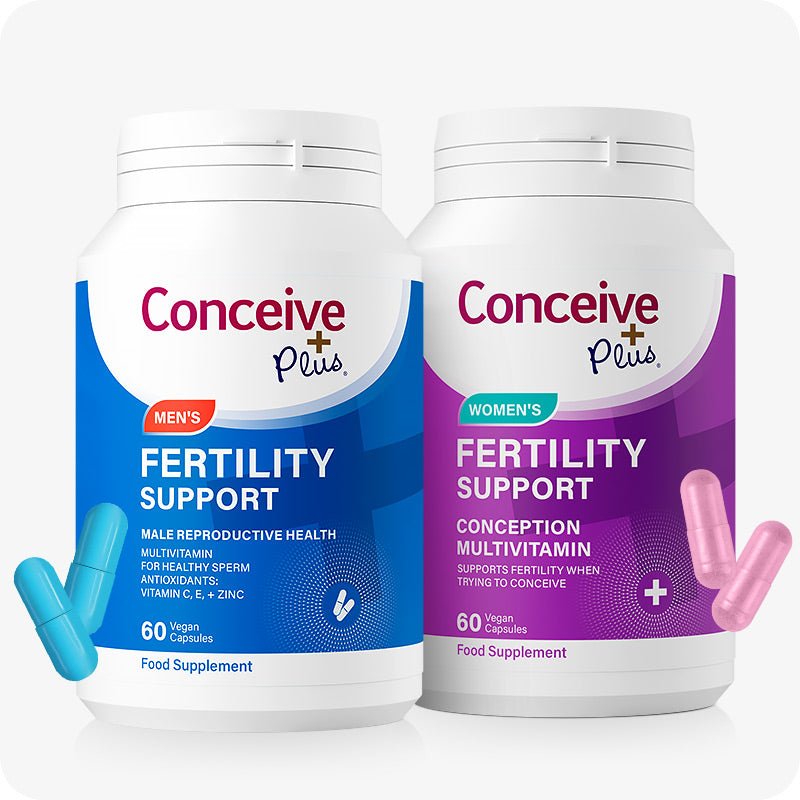
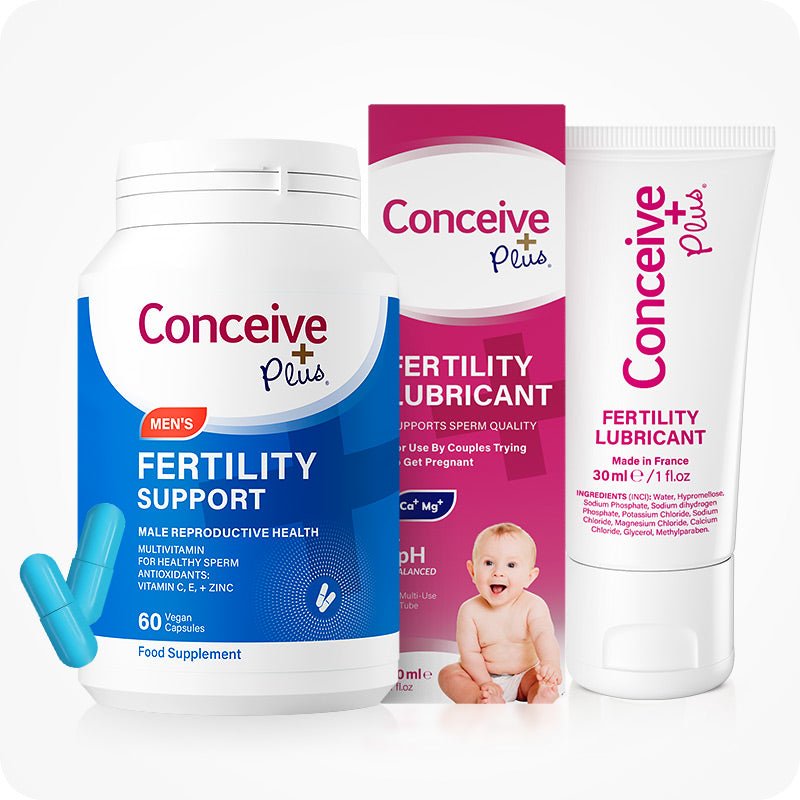
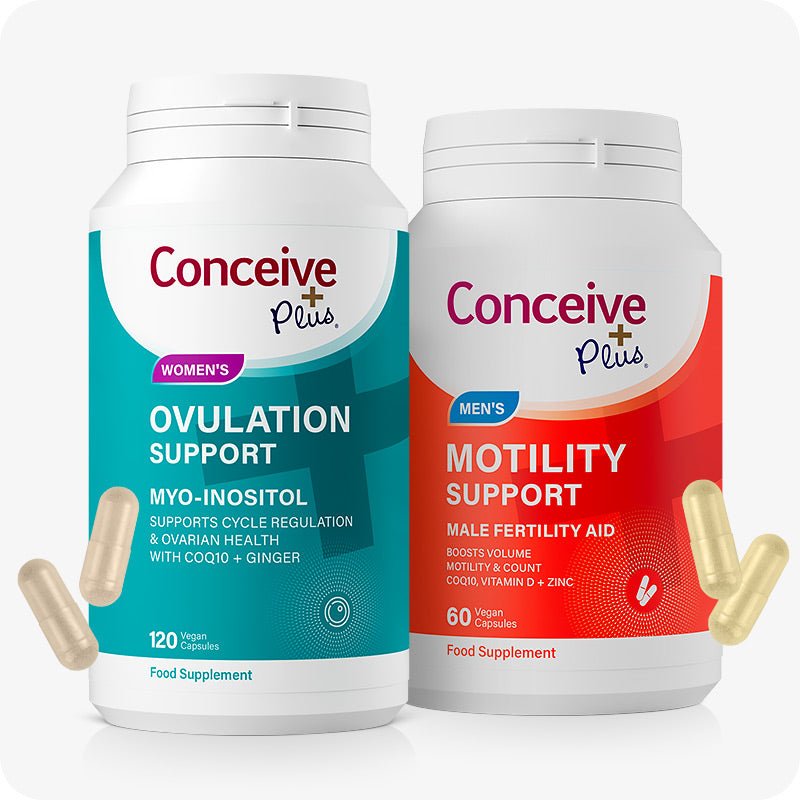
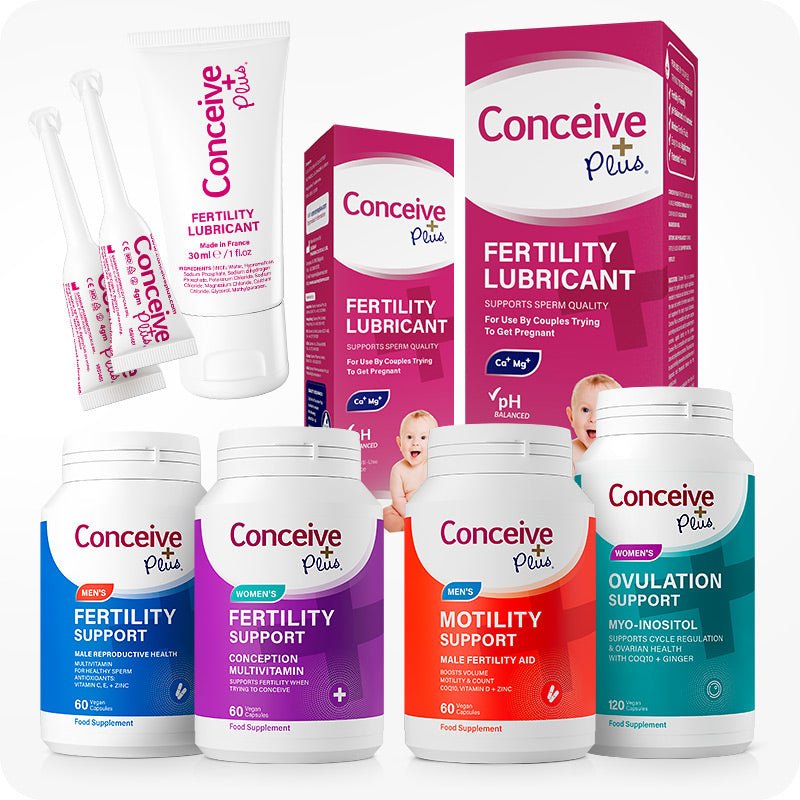
Fruchtbarkeitspräparate: Es ist wichtig, Ihre Fruchtbarkeitspräparate während der gesamten TWW weiter einzunehmen, da viele wichtige Nährstoffe eine Rolle bei der Einnistung und der frühen Embryonalentwicklung spielen. Das Conceive Plus Women's Fertility Support Präparat liefert methyliertes Folat, CoQ10, Vitamin D und andere Nährstoffe, die die Lutealphase und die frühe Schwangerschaft unterstützen. Ebenso unterstützt das Conceive Plus Men's Fertility Support Präparat für männliche Partner weiterhin die Spermiengesundheit, da die Spermien, die an der Befruchtung beteiligt sind, Wochen zuvor produziert wurden.
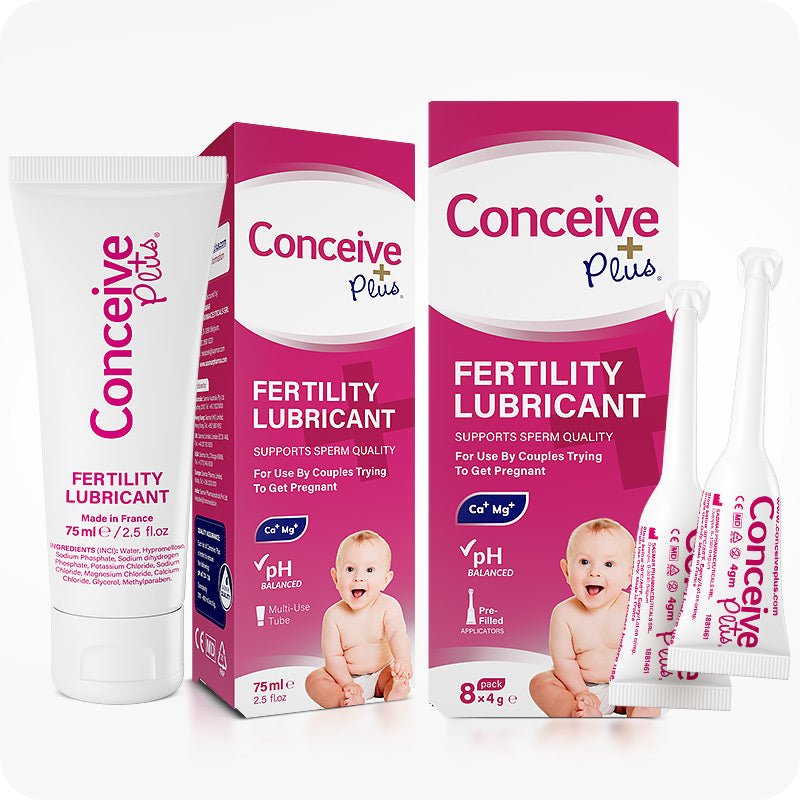
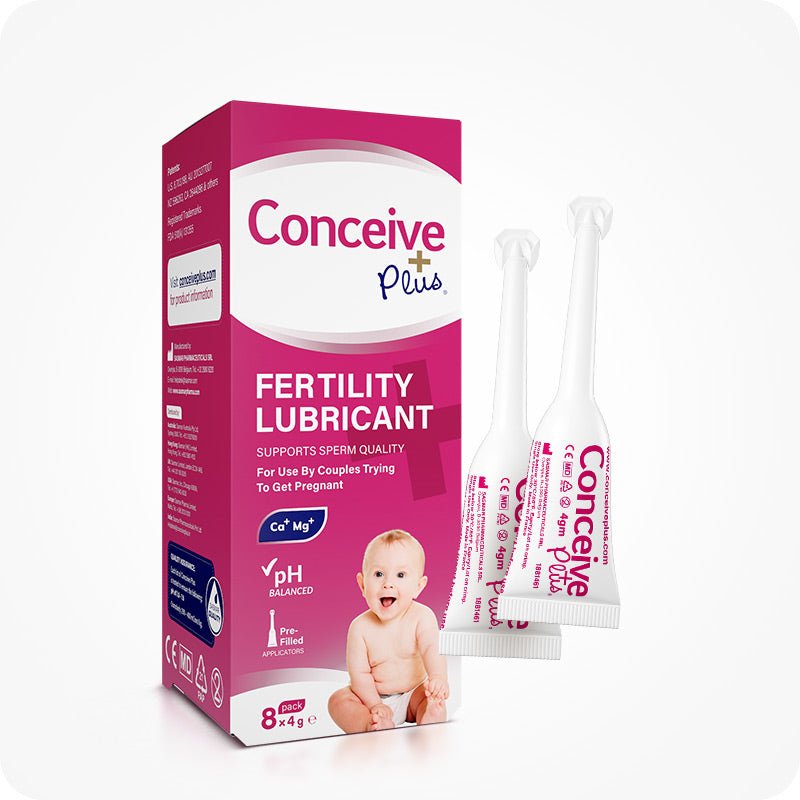
Ein Produkt, das während der TWW besonders hilfreich sein kann, ist das Conceive Plus Fertility Lubricant. Während Sie es während Ihres fruchtbaren Fensters zur Empfängnis verwendet hätten, bedeutet es, es griffbereit zu haben, dass Sie für Ihren nächsten Zyklus bereit sind, falls nötig – und verwandelt einen potenziell enttäuschenden Moment in einen proaktiven Schritt nach vorne.
Wenn die TWW endet: Umgang mit beiden Ergebnissen
Die zweiwöchige Wartezeit endet unweigerlich mit einem von zwei Ergebnissen: einem positiven Schwangerschaftstest oder dem Beginn Ihrer Periode. Sich emotional auf beide Möglichkeiten vorzubereiten, kann Ihnen helfen, mit dem jeweiligen Ergebnis widerstandsfähiger umzugehen.
Wenn der Test positiv ist: Herzlichen Glückwunsch! Ein positiver Schwangerschaftstest ist ein Moment der Freude und Erleichterung nach der Intensität der zweiwöchigen Wartezeit. Viele Frauen erleben jedoch auch eine überraschende Mischung von Gefühlen – Aufregung gemischt mit Unglauben, Freude gedämpft durch das Wissen, dass das erste Trimester seine eigenen Unsicherheiten mit sich bringt. Das ist normal. Erlauben Sie sich, diesen Meilenstein zu feiern, und geben Sie sich gleichzeitig die Erlaubnis, alle Gefühle zuzulassen, die aufkommen. Ihr Arzt wird Sie durch die nächsten Schritte führen, einschließlich der Bestätigung der Schwangerschaft durch einen Bluttest und der Planung der frühen Schwangerschaftsvorsorge.
Wenn Ihre Periode einsetzt: Ein negatives Ergebnis ist niederschmetternd, und es ist in Ordnung, zu trauern. Jeder Zyklus, der nicht in einer Schwangerschaft endet, ist ein Verlust der Hoffnung und Vorfreude, die sich während der zweiwöchigen Wartezeit aufgebaut haben. Geben Sie sich Zeit und Raum, enttäuscht zu sein – das Unterdrücken dieser Gefühle verlängert nur ihre Wirkung. Viele Frauen finden es hilfreich, einen Plan für den ersten Tag ihrer Periode zu haben: ein tröstliches Ritual, ein Lieblingsessen, ein Gespräch mit einer unterstützenden Freundin oder einfach die Erlaubnis, den Tag produktiv frei zu nehmen.
Eines der wichtigsten Dinge, die Sie sich merken sollten, ist, dass ein einzelner Zyklus ohne Erfolg völlig normal ist. Selbst bei vollkommen fruchtbaren Paaren liegt die Chance auf eine Schwangerschaft in einem Zyklus nur bei 20–30 %. Die meisten Paare brauchen 6–12 Monate, um schwanger zu werden. Ein negatives Ergebnis bedeutet nicht, dass etwas nicht stimmt – es bedeutet, dass Sie zur statistischen Mehrheit gehören, die mehr als einen Zyklus benötigt, um schwanger zu werden.
Planung für den nächsten Zyklus: Wenn Sie bereit sind, bietet Ihr nächster Zyklus die Gelegenheit, das Gelernte anzuwenden. Vielleicht haben Sie festgestellt, dass die Verwendung von Conceive Plus Fertility Lubricant während Ihres fruchtbaren Fensters Ihnen mehr Sicherheit bei der Zeitplanung gegeben hat. Vielleicht haben Sie bemerkt, dass das genauere Verfolgen des Eisprungs mit Ovulationstests oder der Überwachung des Zervixschleims Ihnen geholfen hat, Ihr fruchtbares Fenster genauer zu bestimmen. Jeder Zyklus ist ein Schritt nach vorne, auch wenn er noch nicht in einer Schwangerschaft endet.
Häufig gestellte Fragen zur zweiwöchigen Wartezeit
1. Wann kann ich nach dem Eisprung einen Schwangerschaftstest machen?
Die meisten Schwangerschaftstests für zu Hause sind ab dem ersten Tag Ihrer ausgebliebenen Periode zuverlässig, was ungefähr 14 Tage nach dem Eisprung entspricht. Ein Test vor 10 Tagen nach dem Eisprung führt häufig zu falsch negativen Ergebnissen.
2. Was sind die frühesten Anzeichen einer Schwangerschaft während der TWW?
Leider sind frühe Schwangerschaftssymptome fast identisch mit normalen Lutealphasensymptomen, die durch Progesteron verursacht werden. Einnistungsblutungen treten nur bei etwa 25 % der Schwangerschaften auf. Das Beobachten von Symptomen ist keine verlässliche Methode, um eine Schwangerschaft festzustellen.
3. Kann ich mich während der zweiwöchigen Wartezeit bewegen?
Ja, moderate Bewegung ist während der TWW sicher und vorteilhaft. Es gibt keine Hinweise darauf, dass Bewegung die Einnistung beeinflusst. Tatsächlich können stressreduzierende Aktivitäten wie Spaziergänge und sanftes Yoga förderlich sein.
4. Sollte ich während der TWW Progesteronpräparate einnehmen?
Progesteron-Ergänzungen sollten nur unter ärztlicher Aufsicht bei Frauen mit diagnostiziertem Lutealphasendefekt oder im Rahmen einer Fruchtbarkeitsbehandlung verwendet werden. Eine Selbstmedikation wird nicht empfohlen.
5. Kann Stress die Einnistung beeinflussen?
Während alltäglicher Stress die Einnistung nicht verhindert, kann chronischer oder extremer Stress den Cortisolspiegel erhöhen, was den Einnistungsprozess beeinflussen kann. Stressmanagement während der TWW ist für das allgemeine Wohlbefinden vorteilhaft.
6. Kann ich während der zweiwöchigen Wartezeit Sex haben?
Ja, Sex während der TWW ist sicher und kann sogar vorteilhaft sein. Einige Studien legen nahe, dass Samenflüssigkeit Faktoren enthält, die die Immunverträglichkeit gegenüber dem Embryo unterstützen.
7. Spielt die Länge der Lutealphase für die Fruchtbarkeit eine Rolle?
Eine Lutealphase von 10–16 Tagen gilt als normal. Lutealphasen kürzer als 10 Tage können auf einen Lutealphasendefekt hinweisen und die Einnistung beeinträchtigen. Dein Arzt kann dies mit Bluttests beurteilen.
8. Kann ich während der TWW ein Fertilitäts-Gleitgel verwenden?
Conceive Plus Fertilitäts-Gleitgel ist für die Anwendung während des fruchtbaren Fensters konzipiert. Während der TWW wird es nicht benötigt, aber es ist eine gute proaktive Maßnahme, es für dein nächstes fruchtbares Fenster bereit zu haben.
9. Wie kann ich während der TWW ruhig bleiben?
Plane Ablenkungen, vermeide frühe Tests, übe Achtsamkeit, begrenze das Symptombeobachten und sprich mit deinem Partner oder einem unterstützenden Freund über deine Gefühle.
10. Was soll ich tun, wenn die TWW mit einem negativen Ergebnis endet?
Erlaube dir zu trauern, denke daran, dass die meisten Paare mehrere Zyklen brauchen, um schwanger zu werden, und wenn du bereit bist, wende das Gelernte im nächsten Zyklus an. Du bist auf dieser Reise nicht allein.
Die zweiwöchige Wartezeit ist zweifellos herausfordernd, aber sie ist auch ein Beweis für deine Hoffnung und Entschlossenheit. Jeder Zyklus bringt dich deinem Ziel einen Schritt näher. Mit den richtigen Strategien, Unterstützung und Selbstmitgefühl kannst du die TWW leichter bewältigen und gestärkt daraus hervorgehen, egal wie das Ergebnis ausfällt.