Miscarriage Recovery: How to Support Your Body and Mind Before Trying Again


Miscarriage Recovery: How to Support Your Body and Mind Before Trying Again
Experiencing a miscarriage is one of the most profound losses a person can face. Whether it happened early in pregnancy or later, the grief, confusion, and physical recovery that follow are real — and deeply personal. If you are reading this, you may be somewhere in the aftermath of that loss, wondering how to heal, when to try again, and what steps you can take to support your body and mind along the way.
You are not alone. According to the World Health Organization, approximately 23 million miscarriages occur globally each year — that is roughly 44 pregnancy losses every minute. In Europe, studies estimate that between 10 and 20 percent of confirmed pregnancies end in miscarriage, with the rate rising with age. Despite how common pregnancy loss is, it remains one of the most under-discussed and emotionally isolating experiences in reproductive health.
This article explores the physical and emotional dimensions of miscarriage recovery, offering evidence-based guidance, compassionate insight, and practical steps to help you care for yourself — on your timeline — before you feel ready to try again.
Understanding What Happens During and After a Miscarriage
A miscarriage — medically termed a spontaneous abortion — is the loss of a pregnancy before 24 weeks of gestation, with the vast majority (approximately 80%) occurring before 12 weeks. Understanding what happens physically during and after a miscarriage can help demystify the process and give you a framework for recovery.
Miscarriages most commonly occur due to chromosomal abnormalities in the developing embryo — accounting for up to 60% of early losses, according to research published in Human Reproduction Update. Other causes include uterine structural issues, hormonal imbalances, immune system factors, and underlying health conditions such as thyroid disorders or polycystic ovary syndrome (PCOS).
After a miscarriage, your body undergoes a significant hormonal reset. Progesterone and hCG (human chorionic gonadotropin) levels, which rose during pregnancy, begin to decline. This hormonal shift can trigger symptoms that resemble PMS — including mood swings, fatigue, breast tenderness, and cramping — as your body prepares to resume a normal menstrual cycle.
Physically, most people will:
- Experience bleeding and cramping for several days to two weeks
- Have their first period return within four to six weeks, depending on when the miscarriage occurred
- Notice that hCG levels may take two to four weeks to return to baseline, meaning pregnancy tests may still show positive for a time
- Feel residual fatigue as the body recovers from blood loss and hormonal change
If you experienced a surgical intervention (D&C or manual vacuum aspiration) or a medical management protocol, recovery may vary slightly. Your healthcare provider will advise on what to expect based on your specific situation.
Emotional Recovery: Giving Yourself Permission to Grieve
Nurturing Your Body After Loss
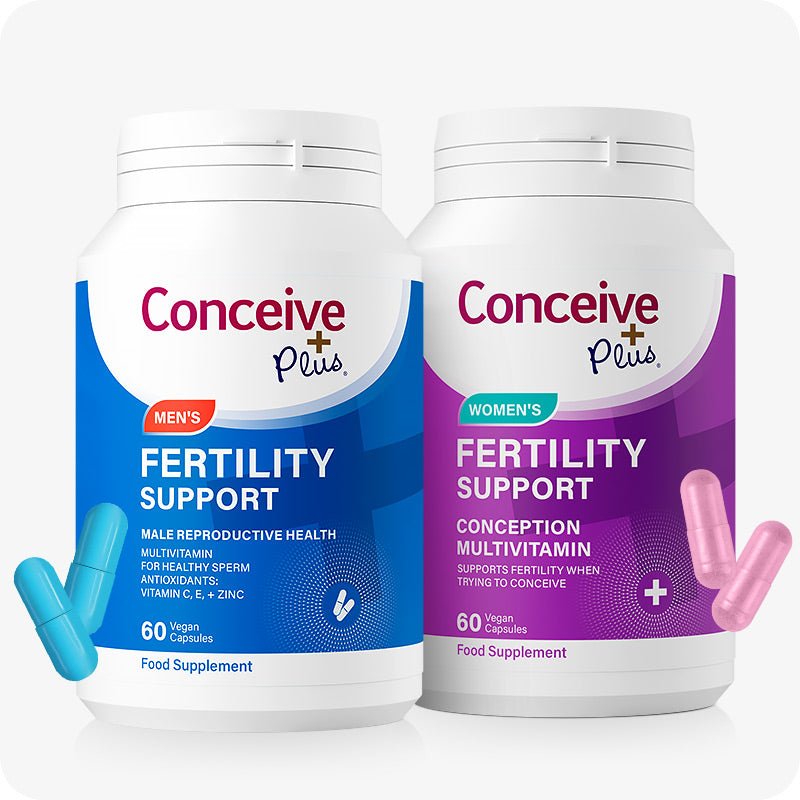
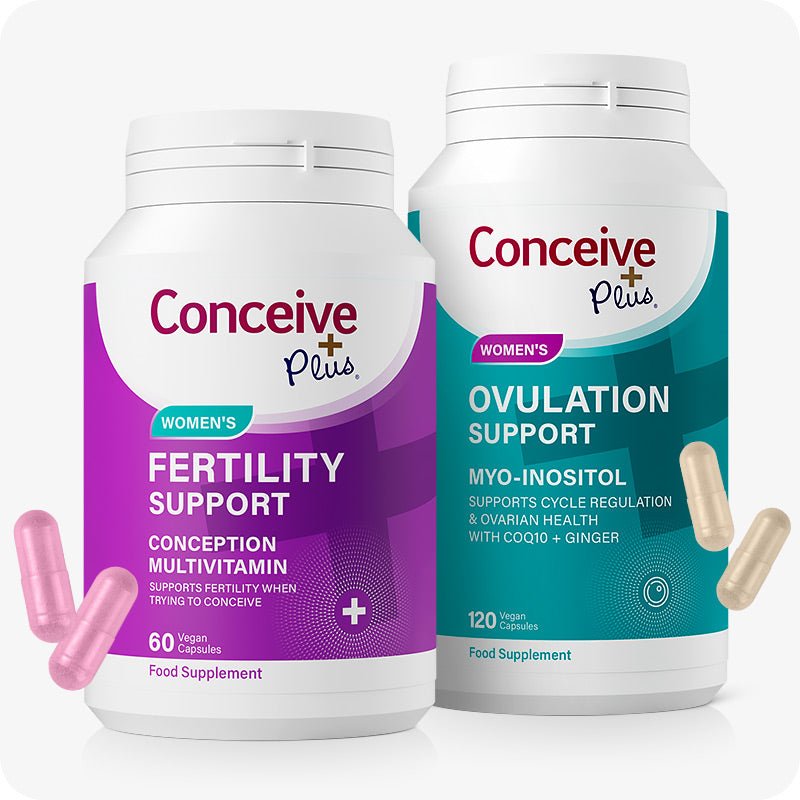
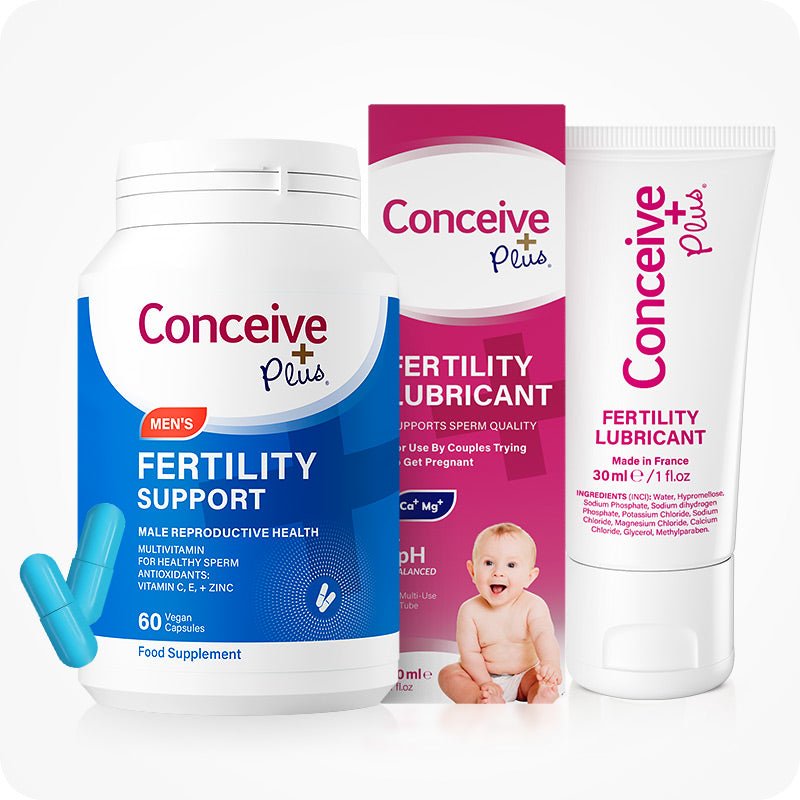
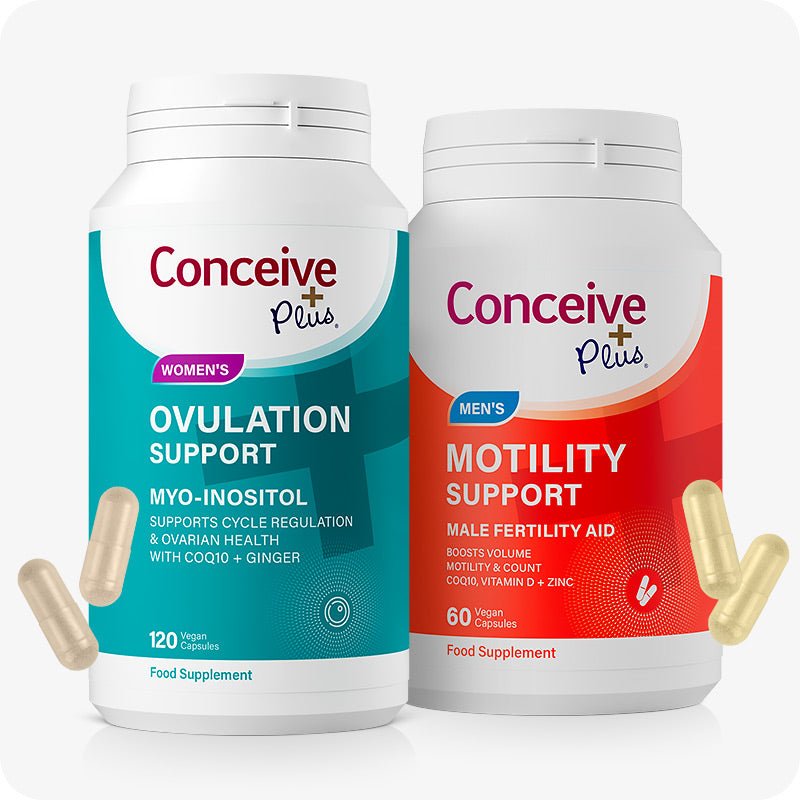
Conceive Plus prenatal and fertility supplements provide essential nutrients — folate, iron, vitamin D, and CoQ10 — to help restore nutritional balance as you prepare to try again.
Explore Conceive Plus →The emotional aftermath of a miscarriage can be as physically demanding as the recovery itself — sometimes more so. Many people report feeling shocked, sad, guilty, angry, or simply empty. Others feel a strange numbness that eventually gives way to deeper grief. There is no correct way to feel, and no set timeline for feeling better.
Research published in the British Medical Journal found that women who experienced miscarriage reported high rates of anxiety (18%), depression (11%), and PTSD (29%) in the months following their loss. These are not signs of weakness — they are normal responses to an abnormal and devastating event.
Common emotional experiences after miscarriage include:
- Grief and sadness: You lost not just a pregnancy, but a future — hopes, dreams, and plans you had already begun to form.
- Guilt: Many people wonder if they did something to cause the miscarriage. In the overwhelming majority of cases, there was nothing you could have done differently. Miscarriage is rarely preventable, and it is almost never caused by exercise, diet, stress, or normal daily activities.
- Anxiety about trying again: Fear of another loss is extremely common and understandable. For many, the prospect of pregnancy becomes fraught with a kind of anticipatory grief.
- Isolation: Because miscarriage often occurs before couples have publicly announced a pregnancy, many people grieve in silence, without the social support that accompanies other kinds of loss.
- Relationship strain: Partners may grieve differently and at different paces, which can create distance or miscommunication.
Ways to Support Your Emotional Wellbeing
There are several evidence-informed approaches that many people find helpful during this time:
- Allow yourself to grieve fully. Do not rush or minimise your feelings. Grief is not linear, and healing takes time.
- Seek professional support. Therapy, particularly cognitive behavioural therapy (CBT) or grief-focused counselling, can be profoundly helpful. In Europe, organisations like Tommy's (UK), AMOS (France), and the European Miscarriage Organisation offer support resources and referrals.
- Connect with others who understand. Online communities and support groups (such as the Miscarriage Association forums) can offer validation and connection with others who have experienced similar loss.
- Communicate with your partner. If applicable, allow space for both of you to grieve. You may be in different places emotionally, and that is okay. Sharing feelings openly — even when they differ — helps maintain connection.
- Create a small ritual of acknowledgement. Some people find comfort in planting a tree, lighting a candle, or writing a letter. These acts give form to a grief that can otherwise feel invisible.
Physical Recovery: What Your Body Needs
While your body is resilient, it also needs intentional care after a miscarriage. The physical recovery process involves replenishing nutrients lost during pregnancy, supporting hormonal rebalancing, and gently rebuilding your overall health before trying again.
Rest and Physical Activity
In the immediate aftermath of a miscarriage, rest is important. Allow your body to recover without pushing through fatigue. As you begin to feel better, gentle movement — such as walking, yoga, or light stretching — can help support mood, circulation, and energy levels. However, high-intensity exercise should typically be avoided in the first few weeks, especially if you had a surgical procedure.
Listen to your body. Some days will feel okay; others will feel heavy. Both are valid. The goal is not to return to normal as quickly as possible, but to support your body's natural recovery.
Nutritional Restoration
Pregnancy — even a short one — places significant nutritional demands on the body. After a miscarriage, replenishing key nutrients is an important part of preparing your body for future conception. Focus on:
- Iron: Blood loss during miscarriage can deplete iron levels, leading to fatigue and affecting ovarian function. Iron-rich foods include lean red meat, dark leafy greens, legumes, and fortified cereals. Pairing iron-rich foods with vitamin C enhances absorption.
- Folate (Vitamin B9): Essential for DNA synthesis and early foetal development, folate is a critical nutrient to restore and maintain. The European Food Safety Authority (EFSA) recommends 400 micrograms daily for women planning to conceive, and 600 micrograms during pregnancy. Natural sources include leafy greens, lentils, and avocado — but supplementation is strongly advised.
- Vitamin D: Low vitamin D levels are associated with increased risk of miscarriage and impaired fertility. Studies have found that vitamin D deficiency is common across Europe, particularly in northern and central regions. Aim for regular (but safe) sun exposure and consider supplementation, especially in winter months.
- CoQ10 (Coenzyme Q10): This antioxidant supports mitochondrial function and egg quality. Levels naturally decline with age, making supplementation increasingly relevant for those over 30. CoQ10 has been studied in the context of improving oocyte quality and reducing oxidative stress.
- Omega-3 fatty acids: These support anti-inflammatory pathways, hormonal balance, and overall reproductive health. Sources include oily fish (salmon, mackerel, sardines), walnuts, and flaxseeds. If dietary intake is limited, supplementation with DHA and EPA is worth considering.
- Zinc and Selenium: Both play roles in egg maturation, hormonal regulation, and immune function. Zinc is found in shellfish, meat, and legumes; selenium in Brazil nuts, fish, and wholegrains.
- Choline: Often overlooked, choline is vital for foetal brain and spinal cord development, and for maintaining healthy cell membranes. Eggs, fish, and meat are the richest sources, though supplementation is often recommended for those planning to conceive.
A high-quality prenatal supplement can help bridge nutritional gaps, particularly while your diet may be affected by grief, stress, or low appetite. Look for a formulation that includes methylfolate (the active form of folate), iron, vitamin D3, CoQ10, DHA, choline, and zinc.
Supporting Hormonal Rebalancing
After a miscarriage, your hormonal milieu shifts dramatically. Some women find that their cycle resumes relatively quickly; others experience irregular cycles, anovulation (cycles without ovulation), or prolonged spotting before things stabilise. This is normal and usually resolves within one to three months.
To support hormonal balance:
- Prioritise sleep — 7 to 9 hours per night supports the HPA axis (the body's stress-hormone system) and helps regulate reproductive hormones.
- Manage stress actively. Chronic stress elevates cortisol, which can disrupt the LH surge needed for ovulation and reduce progesterone production in the luteal phase. Meditation, breathwork, acupuncture, and gentle yoga are all evidence-supported approaches.
- Minimise alcohol and excess caffeine, both of which can affect hormone metabolism and liver function.
- Consider tracking your cycle once it returns, using basal body temperature (BBT) or ovulation predictor kits (OPKs), to understand your baseline before actively trying to conceive again.
When Can You Try Again? Understanding Medical Guidance
One of the most common questions after a miscarriage is: "When can we try again?" The answer has evolved significantly in recent years, and modern evidence is more permissive than previous guidelines suggested.
Historically, many clinicians recommended waiting three months (or three cycles) before trying again. However, a landmark study published in the British Medical Journal in 2010 — involving over 30,000 pregnancies in Scotland — found that conceiving within three months of a miscarriage was associated with the best outcomes, including lower rates of further miscarriage and better live birth rates, compared to those who waited longer.
The World Health Organization previously recommended a six-month wait following miscarriage, but has since updated its guidance to suggest that — for most people — there is no medical reason to wait, provided they feel physically and emotionally ready.
Current guidance from organisations such as the Royal College of Obstetricians and Gynaecologists (RCOG) and the European Society of Human Reproduction and Embryology (ESHRE) generally advises:
- Wait until your physical recovery is complete and bleeding has stopped
- Allow at least one full menstrual cycle to return, to help date any future pregnancy accurately
- Ensure you feel emotionally prepared — there is no pressure to try before you are ready
After a surgical procedure (D&C), most clinicians recommend waiting for one complete cycle before trying again, to ensure the uterine lining has fully regenerated.
The most important factor is readiness — physical, emotional, and relational. There is no universally "right" time. Some couples feel ready within a few weeks; others need several months or longer. Both approaches are valid.
Reducing Risk: Steps to Take Before Conceiving Again
While most miscarriages are caused by chromosomal abnormalities that are not preventable, there are meaningful steps you can take to optimise your health and reduce modifiable risk factors before your next conception.
Pre-conception Health Checks
Before trying again — especially if you have experienced more than one miscarriage — it is worth scheduling a pre-conception appointment with your GP or gynaecologist. Investigations may include:
- Full blood count (to check for anaemia after blood loss)
- Thyroid function tests (thyroid disorders are a treatable cause of recurrent miscarriage)
- Blood sugar and insulin levels (particularly relevant if PCOS is suspected)
- Immune panel and thrombophilia screen (for antiphospholipid syndrome, which can be managed effectively once diagnosed)
- Chromosomal karyotyping (for recurrent pregnancy loss, usually defined as three or more consecutive miscarriages)
- Uterine investigation (ultrasound or hysteroscopy to rule out structural abnormalities)
Lifestyle Optimisation
Evidence supports the following lifestyle modifications as beneficial for pregnancy outcomes:
- Achieve a healthy BMI: Both underweight and overweight BMI are associated with increased miscarriage risk. A BMI between 18.5 and 24.9 is generally associated with optimal reproductive outcomes, though it is important not to obsess over numbers — focus on nourishment and wellbeing.
- Quit smoking: Smoking is one of the most well-established modifiable risk factors for miscarriage, poor egg quality, and impaired fertility. Support resources are widely available across Europe.
- Limit alcohol: There is no proven "safe" level of alcohol during pregnancy or in the pre-conception period. Avoiding or minimising alcohol is a sound precautionary approach.
- Review medications: Certain medications are not safe in pregnancy or the pre-conception period. Consult your prescriber to review any current medications.
- Manage chronic conditions: Conditions such as diabetes, hypertension, autoimmune diseases, and thyroid disorders should be well-controlled before conception, in partnership with your healthcare team.
Optimising Egg and Sperm Quality
Both egg and sperm quality play a role in the likelihood of a healthy pregnancy. While egg quality is primarily age-related, there are nutritional and lifestyle interventions that can support mitochondrial health and reduce oxidative damage:
- CoQ10 supplementation has the most evidence for supporting egg quality, particularly in women over 35
- Antioxidant-rich diets (fruits, vegetables, wholegrains, olive oil) help protect gametes from oxidative stress
- For partners, sperm quality can be improved with zinc, selenium, vitamin C, vitamin E, and folate — most easily obtained through a comprehensive male fertility supplement
- Avoid heat exposure (for sperm) and prolonged sitting; encourage regular moderate exercise
Supporting Your Partner Through Loss and Recovery
Miscarriage affects both partners, even when the pregnancy was carried by only one. Partners may feel sidelined in their grief — expected to "be strong" or to focus on supporting the person who was pregnant. This can lead to unexpressed grief, delayed emotional processing, and a sense of invisibility in the loss.
If you are the non-carrying partner:
- Allow yourself to grieve. Your loss is real, even if it is less visible.
- Communicate openly with your partner about how you are feeling, even if you are at different emotional stages.
- Seek support for yourself — from friends, family, or a professional if needed.
- Understand that your partner may need time before being ready to try again. Patience and gentleness are more supportive than pressure, however well-intentioned.
If you are the carrying partner:
- Try to check in with your partner and make space for their grief alongside your own.
- Avoid the assumption that because you experienced the physical loss, only your grief "counts."
- Acknowledge that your partner may express grief differently — and that silence or practicality does not mean they are not hurting.
Couples who grieve together, communicate openly, and actively support one another tend to report stronger relationship outcomes after pregnancy loss. If communication feels difficult, couples counselling — specifically with a therapist experienced in perinatal loss — can be enormously helpful.
Moving Forward: Preparing Your Body Nutritionally for the Next Pregnancy
When you feel ready to begin trying again, investing in your nutritional foundation is one of the most empowering steps you can take. Preconception nutrition has been shown to influence embryo quality, implantation success, and the likelihood of a healthy ongoing pregnancy.
The three months before conception — often called the "preconception window" — are considered the most impactful period for nutritional preparation. During this time, the eggs that will be ovulated in the coming months are maturing, and the uterine environment is being shaped by hormonal and nutritional inputs.
Key nutritional priorities during the preconception window include:
- Folate/Methylfolate: Start supplementing at least one to three months before trying to conceive. Methylfolate (5-MTHF) is the bioavailable form, particularly important for those with MTHFR gene variants that affect folate metabolism.
- Iron: Especially important if blood levels were depleted following miscarriage. Ferritin levels below 30 ng/mL are associated with impaired ovulation even in the absence of full anaemia.
- Vitamin D: Optimal levels (between 75 and 150 nmol/L) are associated with improved implantation rates and reduced risk of early pregnancy loss.
- CoQ10: Ubiquinol form is better absorbed; doses of 100–600mg daily are used in research settings, though 200mg is a common starting point for general preconception use.
- DHA (Omega-3): Supports early neurological development; a minimum of 200mg DHA daily is recommended for women who are pregnant or planning to conceive.
- Choline: Often lacking in standard prenatal formulations; aim for at least 400mg daily from food and supplements combined.
A comprehensive prenatal supplement can simplify this regimen significantly, providing a calibrated blend of essential nutrients in one daily formulation — making it easier to stay consistent even during emotionally demanding times.
Frequently Asked Questions About Miscarriage Recovery
How long does physical recovery after a miscarriage take?
Physical recovery typically takes two to four weeks, though this varies depending on how far along the pregnancy was and whether medical or surgical management was required. Bleeding usually stops within one to two weeks. Your first period will typically return within four to six weeks of the miscarriage. Fatigue and mild cramping may persist for a short while. If you experience heavy bleeding, signs of infection (fever, foul-smelling discharge), or severe pain, contact your healthcare provider promptly.
When will my period return after a miscarriage?
For most people, the first period returns within four to six weeks of a miscarriage. In some cases, particularly if the pregnancy was further along, it may take a little longer. The first cycle may be heavier or more irregular than usual, which is normal as the body recalibrates.
How long should I wait before trying to conceive again?
Modern evidence — including a major study in the British Medical Journal — suggests that trying within three months of a miscarriage does not increase risk and may actually be associated with better outcomes. Most guidelines recommend waiting for at least one full menstrual cycle to help with future pregnancy dating, and ensuring you are physically and emotionally ready. There is no single "right" answer — your readiness matters most.
Will I miscarry again if I have had one before?
The vast majority of people who experience one miscarriage go on to have successful subsequent pregnancies. The risk of a second miscarriage after one is approximately 15–20%, which is similar to the baseline risk for any pregnancy. After two consecutive miscarriages, the risk rises slightly, and after three, further investigation (recurrent pregnancy loss workup) is generally recommended.
Can stress cause a miscarriage?
While chronic severe stress can affect hormonal health and reproductive function, there is no robust evidence that normal everyday stress or emotional distress directly causes miscarriage. Most miscarriages are caused by chromosomal factors in the embryo, not by the mother's activities or emotions. Managing stress is valuable for your overall wellbeing, but guilt about stress as a "cause" is generally unfounded.
What supplements should I take after a miscarriage?
Key supplements to consider after a miscarriage include folate (or methylfolate), iron (especially if blood loss was significant), vitamin D, CoQ10, and omega-3 fatty acids (DHA/EPA). A comprehensive prenatal supplement that includes these nutrients is a convenient and evidence-supported starting point. Always consult your healthcare provider before beginning any new supplement regimen, particularly if you have underlying health conditions.
Is it normal to feel anxious about a future pregnancy after a miscarriage?
Absolutely. Pregnancy anxiety — sometimes called "pregnancy after loss" or PAL anxiety — is extremely common and well-recognised in the perinatal health field. Many people find that a subsequent pregnancy, while longed for, is tinged with fear rather than the carefree excitement they hoped to feel. Acknowledging this is important. Therapy, support groups, and open communication with your midwife or obstetrician can all help. Many hospitals in Europe now offer specialist support for people with a history of pregnancy loss.
What is recurrent miscarriage, and when should I seek further investigation?
Recurrent miscarriage is generally defined as three or more consecutive pregnancy losses before 24 weeks. It affects approximately 1–2% of couples. After recurrent loss, investigations typically include chromosomal analysis, uterine assessment, blood clotting tests (including antiphospholipid antibody testing), and hormonal evaluation. Many causes are treatable, and many couples with a history of recurrent miscarriage go on to have successful pregnancies with appropriate support and management.
How can I support my emotional health after a miscarriage?
Allow yourself to grieve without a timeline. Seek professional counselling if feelings of depression, anxiety, or PTSD persist. Connect with a support community — either in person or online. Communicate with your partner. Engage in gentle self-care practices such as rest, nourishing food, movement, and time in nature. And remember: there is no "right" way to recover. Healing is not linear, and reaching out for support is a sign of strength, not weakness.
Are there foods or lifestyle choices that can help prepare my body for a future pregnancy?
Yes. A Mediterranean-style diet rich in folate, antioxidants, healthy fats, lean protein, and wholegrains is consistently associated with better reproductive outcomes in European research. Prioritising sleep, managing stress, avoiding smoking and excess alcohol, maintaining a healthy weight, and taking a quality prenatal supplement are all evidence-supported steps that can meaningfully improve your preconception health.
When You're Ready, We're Here
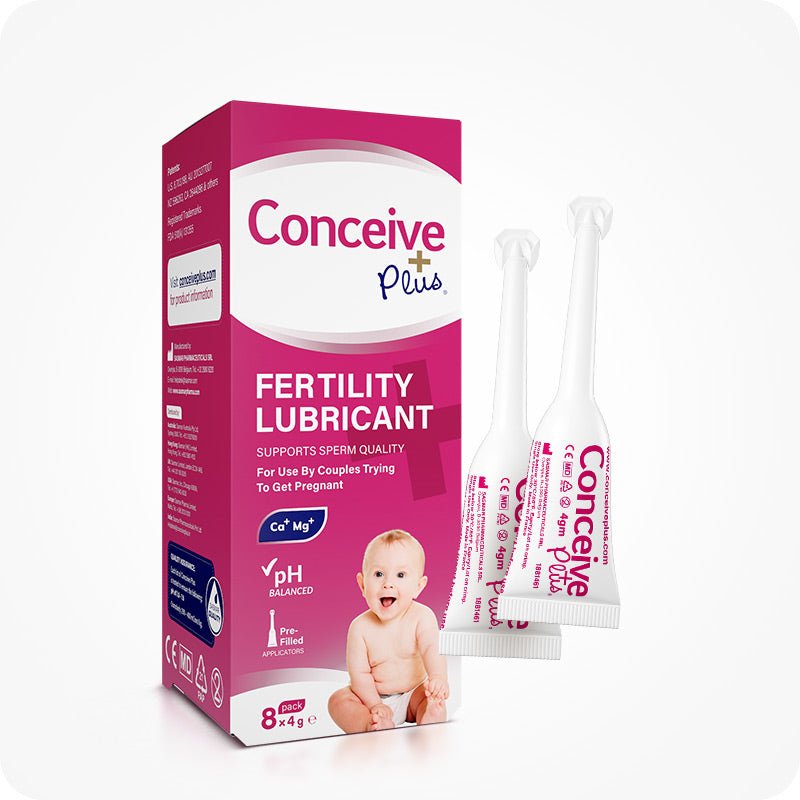
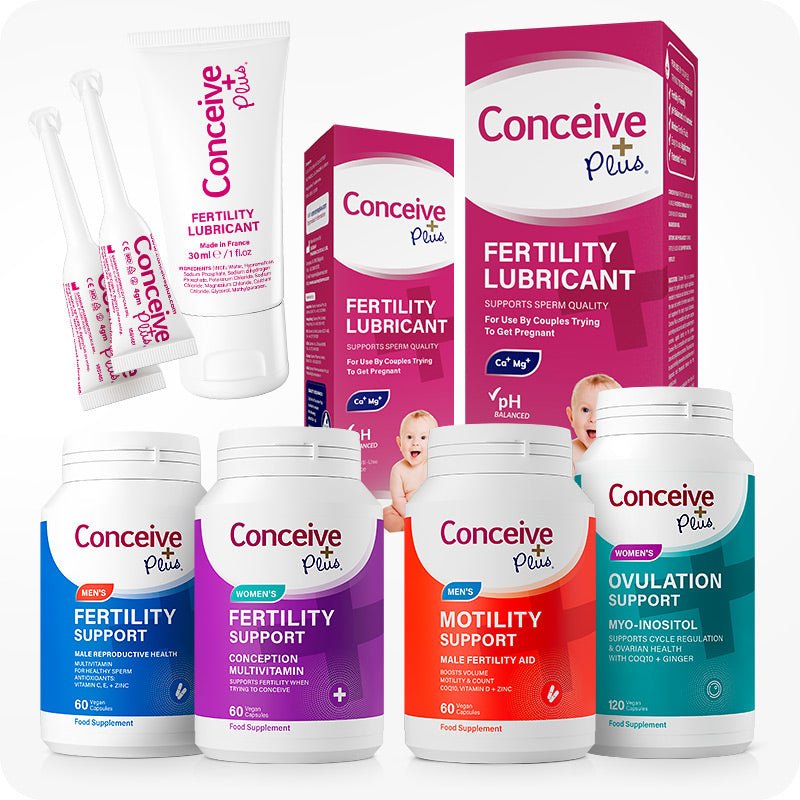
Conceive Plus offers a compassionate range of fertility-support products designed to help you on your journey — whenever that journey continues.
Shop All Products