Male Fertility: Everything You Need to Know About Sperm Health


Male Fertility: Everything You Need to Know About Sperm Health
When couples struggle to conceive, conversations often focus on the female partner — but male fertility is equally important and equally worth understanding. Research consistently shows that male factors contribute to approximately 40–50% of all infertility diagnoses, yet men are far less likely to seek evaluation or take proactive steps to optimise their reproductive health. This guide changes that.
Understanding male fertility — how sperm are made, what affects their quality, and what you can do to improve it — is one of the most empowering things any man on a TTC (trying to conceive) journey can do. The good news is that sperm health responds remarkably well to targeted interventions, often improving significantly within just 3–6 months.
How Sperm Are Made: Understanding Spermatogenesis
Spermatogenesis — the process of sperm production — begins in the testes within the seminiferous tubules. Starting from spermatogonial stem cells, the process takes approximately 74 days to produce mature sperm, followed by 12–21 days of maturation in the epididymis. This means anything that affects your health today — illness, stress, diet, medications — will show up in a semen analysis 3 months from now.
Healthy sperm production requires: optimal temperature (the testes hang outside the body because they need to be 2–4°C cooler than core body temperature), testosterone and FSH from the hypothalamic-pituitary-gonadal (HPG) axis, Sertoli cells that nurture developing sperm, adequate zinc for DNA packaging, and a high-antioxidant environment to protect developing sperm from oxidative damage.
After production, sperm mature in the epididymis — acquiring forward motility and the ability to fertilise an egg — before being stored in the vas deferens until ejaculation. The entire journey from stem cell to mature sperm takes roughly 90 days, which is why male fertility interventions require sustained commitment to show results.
Key Male Fertility Parameters: What a Semen Analysis Measures
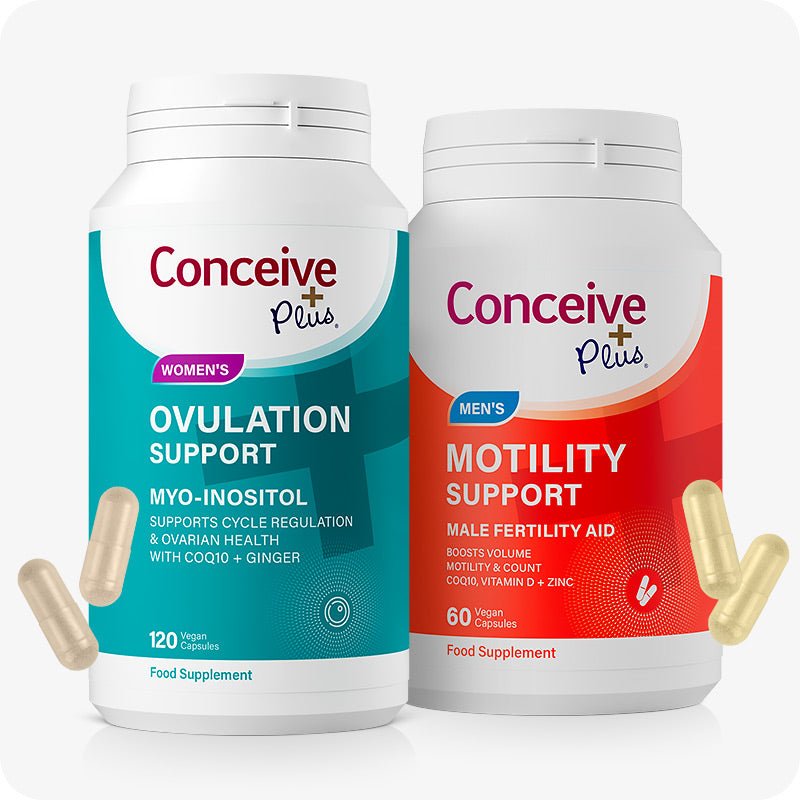
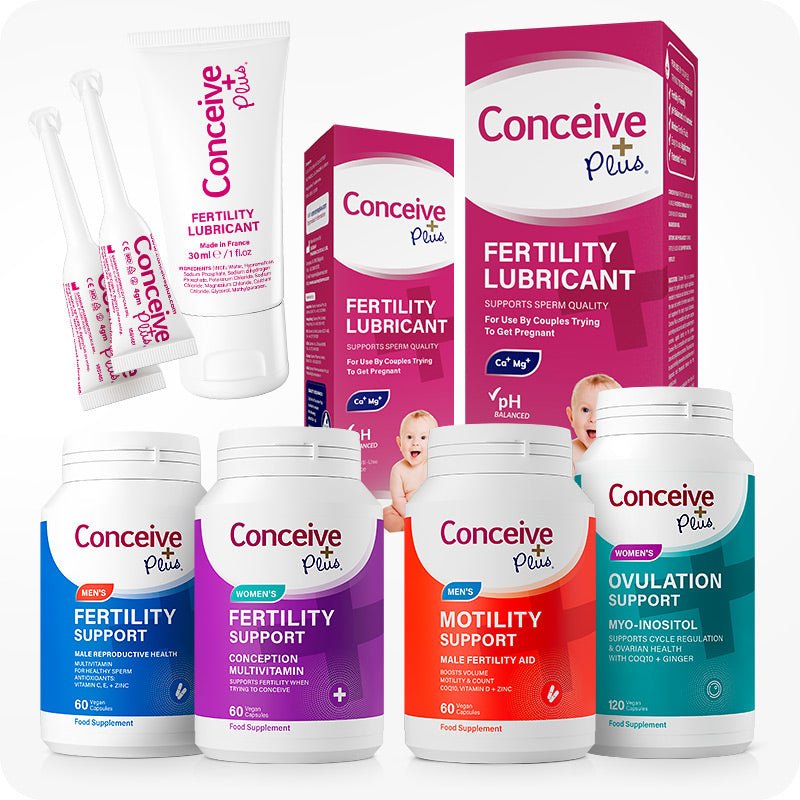
Join thousands of couples who trust Conceive Plus to support their path to pregnancy. Shop our full range of fertility lubricants and supplements.
Shop Conceive Plus →
A semen analysis is the cornerstone of male fertility assessment. The WHO 2021 reference values define normal parameters as:
- Volume: ≥1.4 mL per ejaculate
- Sperm concentration: ≥16 million/mL
- Total sperm count: ≥39 million per ejaculate
- Total motility: ≥42% of sperm moving in any direction
- Progressive motility: ≥30% moving in a forward direction
- Morphology (Kruger strict): ≥4% of sperm with normal shape
- Vitality: ≥54% live sperm
Advanced parameters increasingly recommended by reproductive specialists include DNA Fragmentation Index (DFI) — a measure of sperm DNA integrity that predicts miscarriage risk and IVF success independently of standard parameters. A DFI above 25% is considered elevated and warrants investigation and intervention.
Common Causes of Poor Male Fertility
Multiple factors can impair male fertility, many of which are addressable with the right interventions:
Varicocele
Abnormal dilation of testicular veins affects 15% of the general male population and up to 35% of men with primary infertility. Varicocele raises testicular temperature and creates oxidative stress, impairing spermatogenesis. Surgical or radiological repair (varicocelectomy) significantly improves semen parameters in most men and is one of the most effective fertility interventions available.
Oxidative Stress
Reactive oxygen species (ROS) from immune cells, environmental toxins, and poor lifestyle generate oxidative stress that directly damages sperm DNA, membranes, and mitochondria. Elevated seminal oxidative stress is present in up to 80% of infertile men. Antioxidant supplementation is the primary evidence-based intervention for this common cause of reduced male fertility.
Hormonal Imbalances
Low testosterone (hypogonadism), elevated prolactin, thyroid disorders, and elevated oestrogen (often from obesity or environmental oestrogen exposure) all impair sperm production. Blood hormone testing can identify these treatable causes.
Infections and Inflammation
Past or present genital tract infections (chlamydia, gonorrhoea, E. coli) can cause epididymitis, orchitis, or obstructive azoospermia. Even subclinical infections raise oxidative markers in semen and impair fertility.
Lifestyle Factors
Obesity, heavy alcohol consumption, tobacco smoking, anabolic steroid use, recreational drug use, and chronic psychological stress all significantly impair male fertility through distinct biological mechanisms. These are some of the most modifiable — and most impactful — risk factors.
Genetic Causes
Klinefelter syndrome (XXY), Y-chromosome microdeletions, and CFTR mutations (cystic fibrosis gene) account for a significant proportion of severe oligospermia and azoospermia. Genetic testing is recommended when sperm count falls below 5 million/mL.
How to Improve Male Fertility Naturally
The three months prior to conception are critical for male fertility optimisation. Here is the evidence-based approach:
1. Optimise Nutrition
A Mediterranean-style diet rich in vegetables, fruits, legumes, whole grains, fish, and healthy fats consistently improves semen parameters. Key fertility nutrients to prioritise: zinc (found in oysters, red meat, pumpkin seeds), selenium (Brazil nuts, fish), lycopene (cooked tomatoes), omega-3s (oily fish, walnuts), and folate (leafy greens, legumes).
2. Supplement Strategically
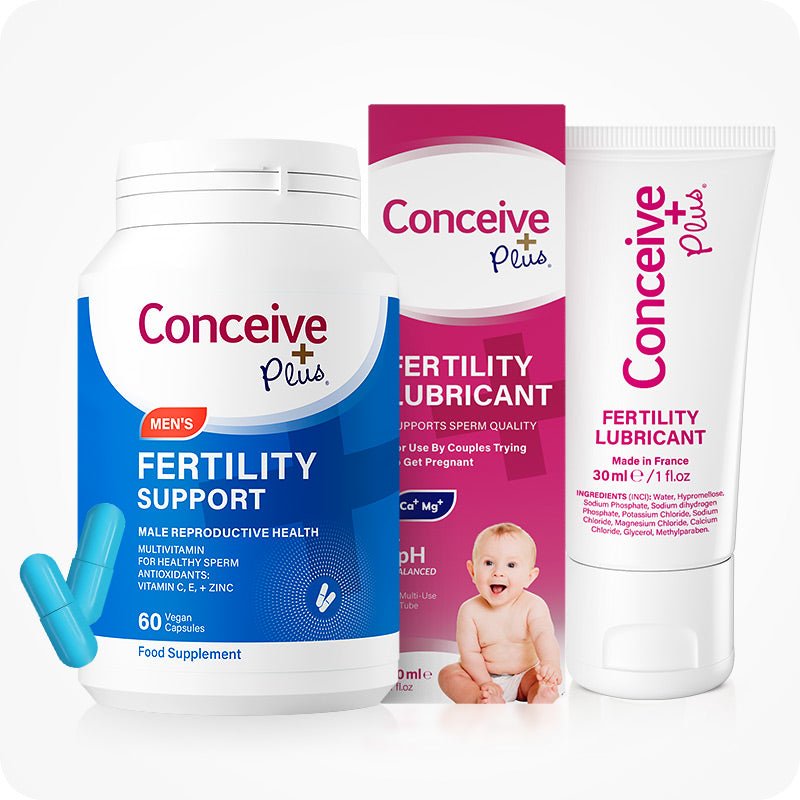
Even excellent diets rarely achieve therapeutic doses of key fertility nutrients. Clinical evidence supports supplementation with CoQ10 (200–400 mg/day), zinc (15–30 mg/day), selenium (100–200 mcg/day), L-carnitine (1–3 g/day), folate (400–800 mcg/day), and vitamins C and E. Conceive Plus Men's Fertility Support combines all these nutrients in clinically supported doses.
3. Achieve Healthy Weight
Adipose tissue converts testosterone to oestrogen via aromatase — elevated BMI is associated with significantly reduced testosterone, poorer semen parameters, and increased DNA fragmentation. Even modest weight loss (5–10%) in overweight men meaningfully improves hormonal profiles and sperm quality.
4. Quit Smoking
Tobacco smoking reduces sperm count by up to 23%, progressive motility by up to 13%, and significantly increases sperm DNA fragmentation. Effects begin to reverse within months of quitting. This is one of the single most impactful changes a man can make for his male fertility.
5. Limit Alcohol
More than 5 drinks per week is associated with reduced testosterone and worsened semen parameters. Heavy drinking disrupts the HPG axis and generates significant testicular oxidative stress. Reducing or eliminating alcohol is a high-yield intervention.
6. Avoid Heat Exposure
Avoid hot baths, hot tubs, saunas, and tight underwear during your pre-conception window. Laptop use directly on the lap and prolonged sitting can also elevate scrotal temperatures above the optimal range for spermatogenesis.
7. Manage Stress
Chronic psychological stress elevates cortisol, which suppresses testosterone and increases oxidative markers in semen. Regular exercise, adequate sleep, and mind-body practices like mindfulness or yoga support the hormonal environment for optimal sperm production.
8. Exercise Moderately
Moderate aerobic and resistance exercise improves testosterone levels and reduces oxidative stress. However, excessive endurance training (competitive cycling, marathon running) is associated with reduced sperm count and motility — likely due to prolonged scrotal heat, oxidative stress, and hormonal disruption.
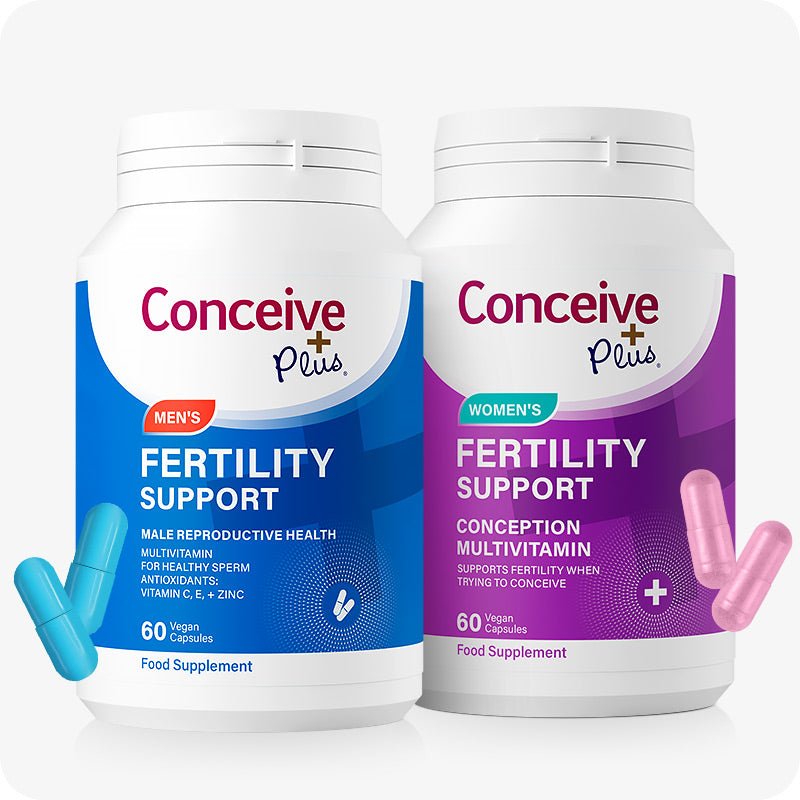
Conceive Plus Men's Fertility Support provides CoQ10, zinc, selenium, L-carnitine, folate, and vitamins C & E in one daily supplement — everything clinical evidence supports for improving sperm health.
Shop Conceive Plus Men's Supplement →
Male Fertility Testing: When and What to Test
If you've been trying to conceive for 12 months (or 6 months if your partner is over 35), both partners should be evaluated simultaneously. For men, evaluation includes:
- Semen analysis: The primary screening test. Collect after 2–5 days abstinence. Two samples collected at least 3 months apart provide a more reliable baseline.
- Hormone panel: Testosterone (total and free), FSH, LH, prolactin, and oestradiol. Identifies hormonal causes of impaired spermatogenesis.
- Sperm DNA fragmentation: Increasingly recommended when standard parameters are borderline or when there is a history of miscarriage or failed IVF.
- Scrotal ultrasound: Detects varicocele, testicular masses, or anatomical abnormalities.
- Genetic testing: Karyotype, Y-chromosome microdeletion analysis for men with severe oligospermia or azoospermia.
Male Fertility and Age
While female reproductive decline with age receives far more attention, male fertility is also affected by age — just more gradually. Beyond 40, men experience progressive declines in sperm concentration, motility, and morphology, alongside increasing sperm DNA fragmentation. Studies show that paternal age above 40 is associated with longer time-to-pregnancy, higher miscarriage rates, and increased risk of certain chromosomal conditions in offspring.
Antioxidant supplementation and lifestyle optimisation are particularly important for men over 40, as the age-related increase in oxidative stress — and corresponding decline in natural antioxidant defences — makes nutritional support more critical.
Frequently Asked Questions About Male Fertility
How can I tell if I have a male fertility problem?
A semen analysis is the only way to know. Symptoms are rarely present with male infertility. Even men with severe oligospermia typically have no symptoms. If you've been trying to conceive for 12 months without success, see a doctor for a semen analysis.
Can sperm quality really improve with lifestyle changes?
Yes — significantly. Multiple clinical studies demonstrate that quitting smoking, reducing alcohol, losing weight, and targeted supplementation can improve sperm count, motility, and DNA integrity within 3–6 months.
How long does it take to improve sperm health?
Spermatogenesis takes approximately 74 days. Most clinical trials measure improvements at 3–6 months. Commit to lifestyle and supplement changes for at least 3 months before assessing the impact on a repeat semen analysis.
Can tight underwear really reduce sperm count?
A 2018 Harvard study found that men wearing boxer shorts had 25% higher sperm concentration and 17% higher total sperm count than men wearing tighter underwear. Scrotal temperature impacts spermatogenesis — looser underwear keeps temperatures closer to optimal.
Does cycling damage male fertility?
Competitive or prolonged cycling raises perineal pressure and scrotal temperature. Recreational cycling (under 5 hours/week) does not significantly affect fertility. Competitive cyclists who train intensively should use a proper saddle and take regular breaks.
Can anabolic steroids be reversed?
Anabolic steroids suppress the HPG axis, causing testicular atrophy and near-complete cessation of sperm production. After stopping, recovery can take 12–24 months and is not guaranteed in men who used steroids for extended periods. FSH injections can sometimes stimulate recovery.
Is low sperm count always a sign of infertility?
No. Men with counts below WHO reference values still conceive naturally — particularly when motility and morphology are maintained. Even men with very low counts can father children with assistance from IUI or IVF/ICSI.
Does masturbation affect fertility?
Frequent ejaculation reduces sperm concentration temporarily. Optimal abstinence for a semen analysis is 2–5 days. For timed intercourse during a fertile window, every 1–2 days is the recommended frequency — neither long abstinence nor daily ejaculation is optimal.
Do mobile phones or laptops affect sperm?
Laboratory studies show radiofrequency electromagnetic radiation may impair sperm motility and DNA integrity. Epidemiological evidence is mixed, but precautionary advice includes not keeping mobile phones in front trouser pockets and not placing laptops directly on the lap.
When should I see a urologist for male fertility?
Seek evaluation if: you have a known risk factor (varicocele, undescended testes, prior chemotherapy, STI history), you've been trying for 12 months without success (6 months if partner over 35), or a semen analysis reveals significant abnormalities.
Conceive Plus Men's Fertility Support combines CoQ10, zinc, selenium, L-carnitine, folate, vitamin C, and vitamin E — all clinically proven male fertility nutrients — in one convenient daily supplement.
Shop Conceive Plus Men's Supplement →
Conclusion
Male fertility is a critical and often overlooked factor in conception. The encouraging truth is that sperm health is highly responsive to targeted interventions — better nutrition, strategic supplementation, lifestyle improvements, and appropriate medical treatment can produce meaningful improvements within 3–6 months. Whether you are just starting your fertility journey or have encountered specific challenges, taking a proactive, evidence-based approach gives your sperm every possible advantage. Conceive Plus is here to support you every step of the way.
Join thousands of couples who trust Conceive Plus to support their path to pregnancy. Shop our full range of fertility lubricants and supplements.
Shop Conceive Plus →