What Is Myo-Inositol Good For? Benefits for Fertility, PCOS, and Beyond


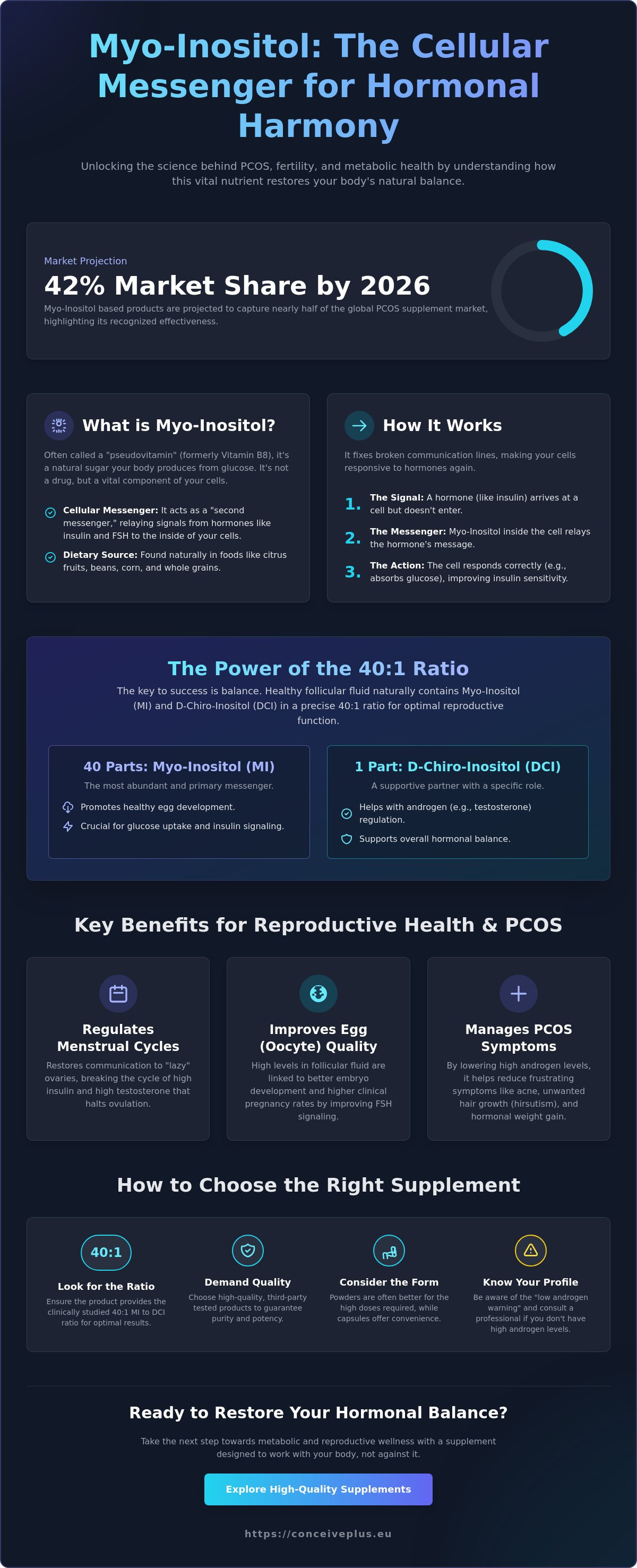
By 2026, myo-inositol based products are projected to capture 42% of the global PCOS supplement market, yet many people still don't realize this nutrient does far more than just support ovulation. If you've spent months tracking irregular cycles or battling hormonal weight gain, you know how frustrating it feels when your body isn't following the script. You might be wondering if another capsule is truly the answer or just more noise in a crowded cabinet. It's completely normal to feel cautious about where you invest your hope and your health.
This comprehensive guide reveals exactly what is myo-inositol good for by diving into the most recent clinical data and metabolic research. We'll move beyond the basics to explain how this sugar alcohol acts as a vital messenger for insulin and reproductive hormones. You'll discover the science behind the 40:1 ratio, its impact on egg quality during IVF, and the reality of its safety profile. By the end, you'll have a clear, evidence-based roadmap to determine if myo-inositol is the right tool to help you regain control over your hormonal and metabolic wellness.
Key Takeaways
- Understand how this naturally occurring "pseudovitamin" acts as a cellular messenger to improve insulin signaling and hormonal communication.
- Learn specifically what is myo-inositol good for regarding reproductive health, including its role in restoring ovulation and enhancing egg quality.
- Explore the metabolic benefits of supplementation, such as managing blood sugar levels and supporting health during pregnancy.
- Identify if you're the right candidate for this supplement by understanding the "low androgen" warning and how to choose high-quality, third-party tested products.
- Compare delivery methods like powders and capsules to determine which form is most effective for your specific dosage needs and lifestyle.
What is Myo-Inositol and How Does It Work?
Myo-inositol is often referred to as a "pseudovitamin" because it was once classified as Vitamin B8. However, it's actually a carbocyclic sugar that your body produces naturally from glucose. You also consume it through your diet in foods like citrus fruits, beans, corn, and whole grains. Understanding what is myo-inositol good for starts with recognizing its role as a cellular messenger. It doesn't just sit in your system; it actively carries signals from the outside of a cell to the inside, making it vital for metabolic and reproductive health.
To better understand how this supplement supports your body, watch this helpful breakdown from Dr Dray:
The Science of Cellular Signaling
Think of myo-inositol as a "second messenger." When hormones like insulin or follicle-stimulating hormone (FSH) arrive at a cell, they don't always enter. Instead, they "knock" on the cell membrane. Myo-inositol is the runner inside the cell that takes that knock and translates it into action. Specifically, it helps facilitate the entry of glucose into cells, which is why it's so closely linked to insulin sensitivity. Without enough of it, your cells become "deaf" to hormonal signals. This breakdown in communication leads to the structural instability of cell membranes and is a major factor in the hormonal chaos associated with PCOS. When this signaling works correctly, your endocrine system stays in sync, preventing the overproduction of androgens that causes acne and unwanted hair growth.
Myo-Inositol vs. Other Inositols
While there are nine different isomers of Inositol, myo-inositol is the most abundant and well-studied form in humans. It's frequently compared to D-chiro-inositol (DCI). Both are necessary, but they have distinct jobs. Myo-inositol promotes healthy egg development and glucose use, while DCI helps with androgen regulation. The key to success is balance. In healthy follicular fluid, these two exist in a 40:1 ratio. If this ratio gets skewed, it can negatively impact egg quality. This is why many high-quality fertility products focus on maintaining this precise physiological balance to support optimal reproductive outcomes. Choosing the right isomer ensures you aren't just taking a supplement, but providing the specific messenger your cells need most.
Key Benefits for Reproductive Health and PCOS
For many women, the most pressing question is what is myo-inositol good for when it comes to the day-to-day reality of living with PCOS. This condition often brings a cluster of frustrating symptoms, including stubborn acne, hirsutism (unwanted hair growth), and weight gain that feels impossible to shift. These aren't just cosmetic issues; they're outward signs of internal hormonal imbalance. By improving insulin sensitivity, myo-inositol helps lower the high androgen levels responsible for these symptoms, providing a systemic approach to management rather than just treating the surface effects.
Regulating the Menstrual Cycle
Irregular or absent periods are frequently caused by "lazy" ovaries that don't receive the correct signals to release an egg. There's a direct connection between how your body handles insulin and how your ovaries function. When insulin levels are chronically high, the ovaries often overproduce testosterone, which halts the regular cycle. Myo-inositol helps bridge this gap, restoring the communication lines so that natural ovulation can occur. If you're trying to find your rhythm, you can track your progress and identify your fertile window using an ovulation calculator. It's a practical way to see how your body responds as your cycles become more predictable.
Improving Oocyte (Egg) Quality
Fertility isn't just about timing; it's about the health of the environment where the egg matures. High concentrations of myo-inositol are naturally found in healthy follicular fluid, which is the "bath" that surrounds a developing egg. Research shows that higher levels of this nutrient in the follicle are linked to better embryo development and higher clinical pregnancy rates. Myo-inositol acts as a vital intermediary in FSH signaling, ensuring that the follicle receives the necessary instructions to mature and release an egg.
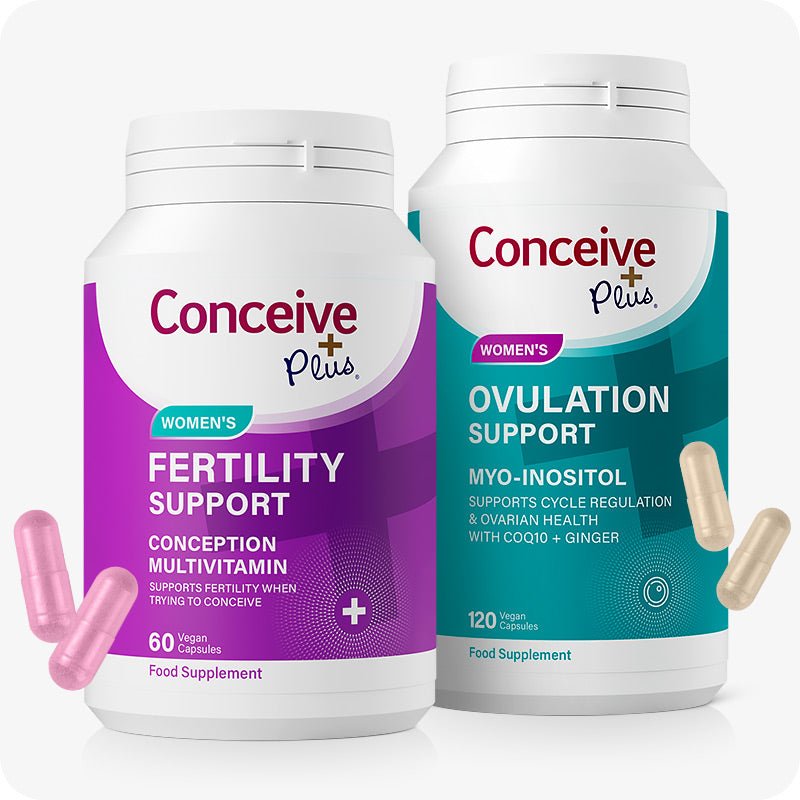
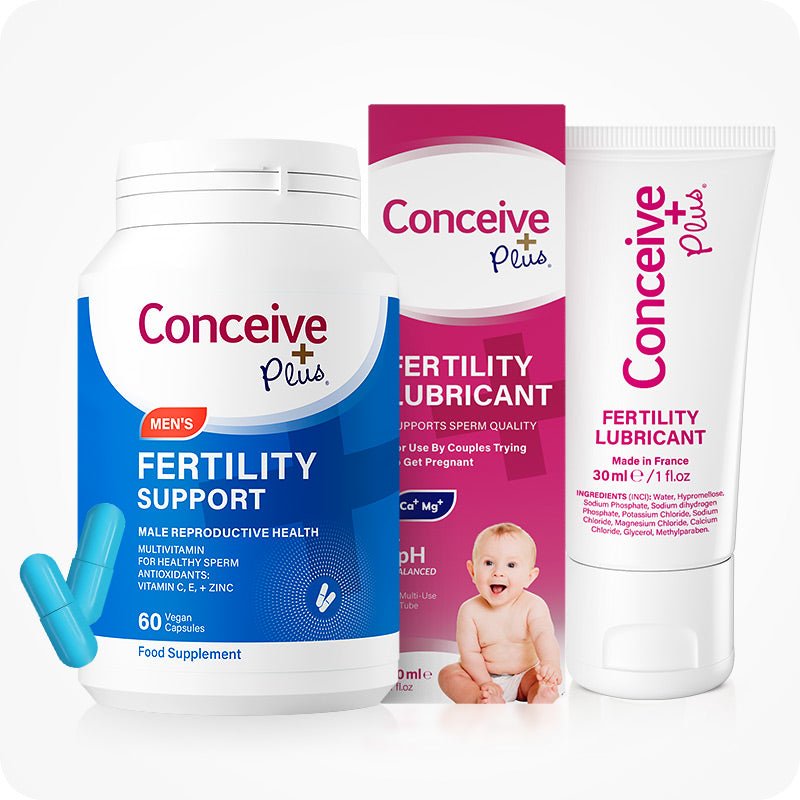
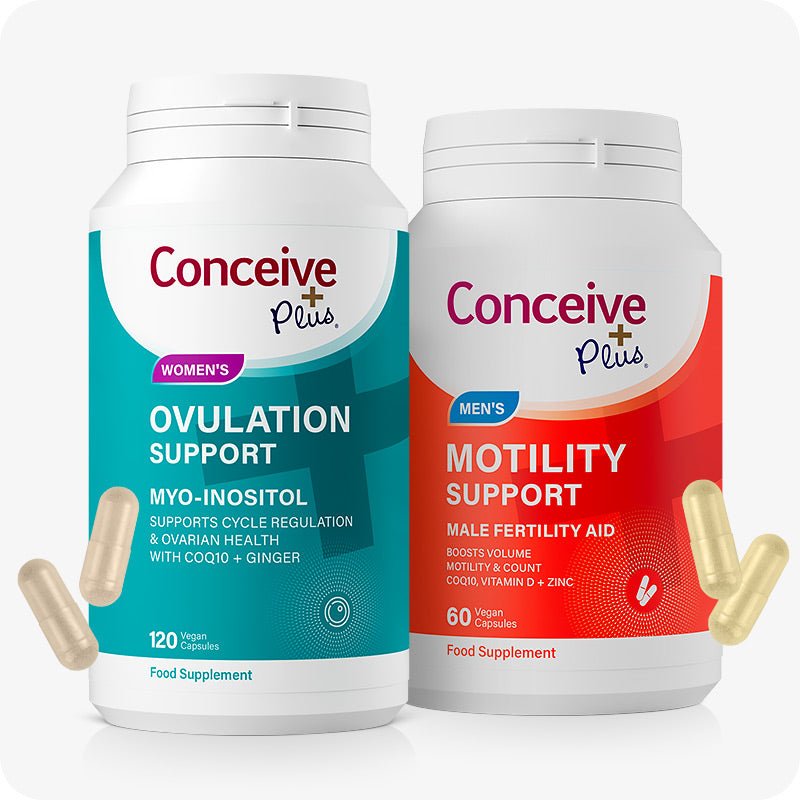
A 2025 meta-analysis found that supplementation was associated with a higher rate of mature oocytes and an increased fertilization rate in women undergoing IVF. It is widely recognized as a powerful supporter of fertility because it optimizes the microenvironment of the oocyte. Whether you're pursuing natural conception or assisted reproductive technology, improving the baseline quality of your eggs is essential. If you're ready to support your reproductive health naturally, exploring the resources at Conceive Plus is a great first step toward understanding your options.
- Restored Ovulation: Normalizes irregular cycles by improving hormonal signaling.
- Symptom Relief: Reduces the androgen-driven effects of PCOS like acne and weight gain.
- IVF Support: Enhances the success rates of fertility treatments by improving egg maturity.
- Metabolic Balance: Lowers the insulin resistance that often drives reproductive dysfunction.
Metabolic and Mental Health Benefits
While often celebrated for its reproductive benefits, the metabolic impact of this nutrient is equally profound. If you've ever wondered what is myo-inositol good for beyond fertility, the answer lies in its ability to act as an insulin sensitizer. It helps your body manage blood sugar more effectively by improving how cells respond to insulin, which is the primary hormone responsible for glucose uptake. This is particularly vital for those dealing with metabolic syndrome, where markers like high blood pressure and elevated cholesterol often cluster together. By addressing the root cause of insulin resistance, myo-inositol supports a healthier internal environment that benefits your heart and your waistline.
The evidence for these metabolic shifts is robust. A meta-analysis of randomized controlled trials demonstrates that supplementation leads to significant improvements in insulin sensitivity and a reduction in circulating androgens. This dual action is why it's a cornerstone for managing the metabolic side of PCOS. Additionally, during pregnancy, maintaining stable blood sugar is critical. Research continues to explore how myo-inositol might help reduce the risk of blood sugar spikes, providing a layer of metabolic protection for both mother and baby.
The Insulin Sensitivity Connection
Insulin resistance is often the "silent" driver behind hormonal imbalances and stubborn weight gain. Myo-inositol works by facilitating the movement of glucose into the cells, preventing it from lingering in the bloodstream and triggering further insulin release. This process is essential for weight management in metabolically challenged individuals. When your cells can actually use the energy you consume, you're less likely to experience the intense sugar cravings and energy crashes that lead to weight gain. It bridges the gap between the food you eat and the energy your body actually uses.
Support for Anxiety and Mood
The benefits extend to the brain, where myo-inositol plays a crucial role in mental wellness. It acts as a precursor for signaling molecules that influence serotonin and dopamine receptor pathways. A 2026 narrative review highlighted its potential anxiolytic effects, suggesting it can help calm the nervous system. For those asking what is myo-inositol good for in terms of mental health, high-dose research has shown promise in reducing the frequency and severity of panic attacks and symptoms of OCD.
This connection between hormonal balance and emotional stability isn't accidental. When your metabolic markers are stable and your insulin is regulated, your brain's neurochemistry often follows suit. It's a holistic cycle. Improved metabolic health leads to better sleep and more stable moods, while the specific signaling properties of inositol directly support the neurotransmitters that keep anxiety at bay. This makes it a unique tool for those looking to support both their physical and emotional resilience.
Safety, Side Effects, and Who Should Avoid It
Most discussions about what is myo-inositol good for focus exclusively on the positives. However, understanding the safety guardrails is just as important as knowing the benefits. Myo-inositol is regulated by the FDA as "Generally Recognized as Safe" (GRAS), meaning it's well-tolerated by the vast majority of users. Most people experience no adverse effects at standard doses. When side effects do occur, they are typically mild gastrointestinal issues like nausea, gas, or diarrhea. These symptoms are usually reserved for very high intakes, often exceeding 12 grams per day, which is significantly higher than the standard clinical recommendation.
For those managing PCOS, clinical research typically points to a daily dosage of 2 to 4 grams. This range is often split into two doses to maintain stable levels in the bloodstream. If you're already taking Metformin or other fertility medications, myo-inositol often acts as a complementary partner because both serve as insulin sensitizers. This synergy means you must coordinate with your doctor to prevent your blood sugar from dropping too low. Always check with your healthcare provider before combining metabolic supplements with prescription drugs.
Understanding Contraindications
The "more is better" approach doesn't apply here, especially regarding androgen levels. If you have low testosterone or low DHEA, myo-inositol might not be the right choice. Since it's effective at lowering androgens, taking it when your levels are already suppressed can lead to fatigue, low libido, and further cycle disruption. Symptoms of low androgens often mirror other issues, so don't guess; test. Obtaining comprehensive blood work to check your androgen profile is a critical step before starting a heavy supplement regimen. Consulting with a reproductive endocrinologist ensures you aren't accidentally pushing your hormones in the wrong direction.
Is it Safe During Pregnancy?
Current 2026 clinical data indicates that myo-inositol has a strong safety profile during pregnancy and is not associated with major adverse outcomes, though its ability to prevent specific complications remains a subject of intense study. A randomized clinical trial published in October 2025 found that supplementation for individuals with PCOS didn't significantly reduce the incidence of gestational diabetes, preeclampsia, or preterm birth. Despite this specific finding, many practitioners still recommend it for its overall metabolic support. If you're considering it while pregnant, only do so under strict medical supervision to ensure it aligns with your specific health needs. Before starting any new supplement, it's wise to consult with experts and choose high-quality formulations. You can find professional-grade options and more information at Conceive Plus to support your journey safely.
- Standard Dosage: 2g to 4g daily is the most common range used in clinical PCOS studies.
- GI Sensitivity: Start with a lower dose and increase gradually to avoid mild stomach upset.
- Blood Work: Confirm high androgen levels before using inositol for PCOS symptom management.
- Drug Synergy: Monitor blood glucose closely if combining with Metformin or other sensitizers.
How to Choose and Use a Myo-Inositol Supplement
Understanding what is myo-inositol good for is only half the battle; selecting the right form and quality is what actually drives results. Since the global myo-inositol market is projected to reach USD 3.1 billion by 2035, the sheer number of options can be overwhelming. For those focusing on reproductive wellness, third-party testing is essential. You need to ensure your supplement is free from heavy metals and contaminants that could interfere with delicate hormonal pathways. Purity isn't just a marketing term; it's a safety requirement for anyone trying to conceive.
When you're deciding between powder and capsules, think about your daily dosage requirements. Most clinical studies from 2025 utilize 2g to 4g daily for PCOS and metabolic support. Achieving this through capsules might mean taking six to eight pills a day, which can be difficult to maintain. Powdered forms are often more cost-effective and easier to incorporate into a morning smoothie or a glass of water. Regardless of the form, consistency is your best friend. Splitting your dose between the morning and evening helps maintain steady cellular signaling throughout the day.
Synergy is another factor to consider. Myo-inositol works exceptionally well when paired with Folic Acid and Vitamin D. Folic Acid is non-negotiable for DNA synthesis during preconception, while Vitamin D supports the insulin-sensitizing effects of inositol. Many people find that these combinations provide a more holistic approach to managing their symptoms than taking inositol alone.
What to Look for on the Label
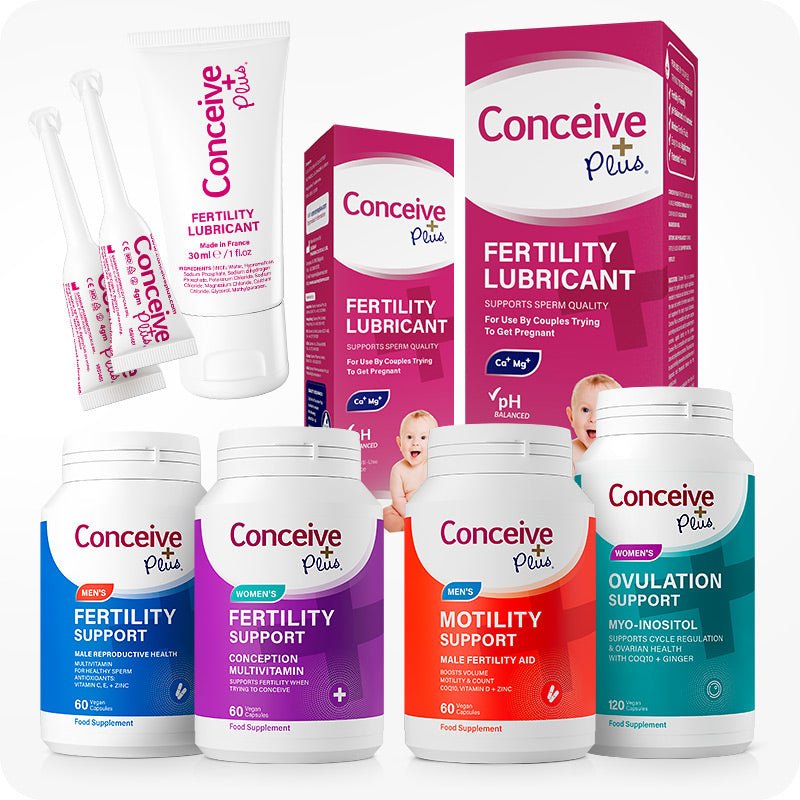
Always check the ingredient list for hidden sugars or fillers like maltodextrin, which can cause the very insulin spikes you're trying to avoid. While standalone myo-inositol is effective, many users prefer "All-in-One" blends that include D-chiro-inositol in the physiologically relevant 40:1 ratio. If you want to simplify your supplement routine, you can find these synergistic ingredients in comprehensive fertility bundles. These are specifically formulated to address multiple aspects of reproductive health in one go.
Setting Realistic Expectations
It's vital to remember that egg quality doesn't change overnight. The process of folliculogenesis takes approximately 90 days, so you should plan to stay consistent for at least three months before evaluating your progress. Supplements are powerful, but they aren't a replacement for lifestyle foundations like a nutrient-dense diet and regular physical activity. If you're looking for high-quality options to start your journey, feel free to explore the full Conceive Plus range for targeted support. Success comes from combining the right science-backed tools with patience and a healthy routine.
Taking Control of Your Reproductive Wellness
Taking control of your reproductive wellness starts with understanding the tools available to you. By now, you've seen that myo-inositol is more than a simple supplement; it's a vital messenger that helps your body process insulin and regulate ovulation. Whether you're focused on managing PCOS symptoms or preparing for a successful pregnancy, the evidence supports its role in restoring balance at a cellular level. Consistency is the key to seeing real changes in egg quality and metabolic markers, so give your body the time it needs to respond.
Deciding what is myo-inositol good for in your specific situation depends on your unique hormonal profile and health goals. As you move forward, choosing products backed by clinical standards ensures you're giving your body the best possible support. Conceive Plus offers doctor-formulated solutions designed specifically for couples trying to conceive. Trusted by millions in over 70 countries, these products provide the targeted support needed for your journey. Shop Scientifically Formulated Fertility Support today to begin your path toward better reproductive health. You have the power to influence your fertility future, and we're here to help you every step of the way.
Frequently Asked Questions
How long does it take for myo-inositol to start working?
You should expect to wait at least three months to see significant changes in egg quality or ovulation patterns. This timeline aligns with the 90-day cycle of folliculogenesis, which is the process of an egg maturing before release. While some metabolic improvements in blood sugar management can occur within a few weeks, hormonal consistency requires long-term use. Patience is essential for achieving the full range of benefits.
Can I take myo-inositol if I don't have PCOS?
Yes, individuals without PCOS can still benefit from supplementation for metabolic support and general reproductive health. When asking what is myo-inositol good for in a broader context, it helps optimize the follicular microenvironment and improves insulin sensitivity in anyone struggling with blood sugar regulation. It's also utilized for its potential to support emotional stability by influencing neurotransmitter signaling, regardless of a PCOS diagnosis.
Does myo-inositol help with weight loss?
Myo-inositol supports weight loss indirectly by addressing insulin resistance, which is a common barrier to shedding pounds. By helping your cells process glucose more efficiently, it reduces the high insulin levels that signal your body to store fat. It also helps curb intense sugar cravings that often lead to overeating. For the best results, you should combine supplementation with a balanced diet and regular physical activity.
Can men take myo-inositol for fertility?
Men can certainly take myo-inositol to support their reproductive health. Research indicates it plays a role in sperm mitochondrial function, which is essential for sperm motility and overall quality. By improving the energetic state of the sperm, it may enhance the chances of successful fertilization. It's often included in male fertility formulas to provide a holistic approach for couples trying to conceive together.
What is the best time of day to take myo-inositol?
The best approach is typically to split your total daily dose into two parts, taking one in the morning and one in the evening. This method helps maintain steady levels of the nutrient in your bloodstream throughout the day. You can take it with or without food, though some people find that taking it with a meal helps prevent mild stomach upset during the first few days of use.
Are there any natural food sources of myo-inositol?
You can find myo-inositol naturally in a variety of healthy foods. The richest sources include citrus fruits like oranges and grapefruit, though lemons are a notable exception. Beans, peas, and whole grains like brown rice or wheat bran also contain significant amounts. While a balanced diet provides a baseline, therapeutic doses for fertility usually require the higher concentrations found in concentrated supplement forms.
Can I take myo-inositol with Metformin?
You can take myo-inositol alongside Metformin, as both work to improve insulin sensitivity through different pathways. However, because both substances lower blood sugar, it's vital to monitor your glucose levels closely to avoid hypoglycemia. Always discuss this combination with your healthcare provider to ensure your dosages are balanced correctly. This coordination is important if you're asking what is myo-inositol good for while managing a diagnosed metabolic condition.
Does myo-inositol affect my period?
Myo-inositol often has a positive effect on the menstrual cycle by making it more regular. It works by improving the hormonal communication required for the ovaries to release an egg on time. For women with long or unpredictable cycles, this can lead to a more consistent rhythm and a clearer fertile window. Many users report seeing a more predictable period within the first three to four months of consistent use.