The Fertility Diet: Evidence-Based Nutrition for Conception in Europe


The Fertility Diet: How Nutrition Shapes Your Path to Conception
Food is one of the most powerful—and modifiable—influences on reproductive health. While no diet guarantees conception, decades of research make clear that nutrition profoundly affects ovarian function, sperm quality, hormonal balance, and uterine receptivity. For couples trying to conceive across Europe, where processed food consumption and micronutrient deficiencies are increasingly common, dietary optimisation is one of the most impactful steps you can take.
This guide distils the best available evidence on the fertility diet—what to eat more of, what to limit, specific nutrients that matter most, and how lifestyle factors integrate with nutrition for optimal reproductive health.
The Mediterranean Diet: Best Evidence for Fertility
Of all dietary patterns studied in relation to fertility, the Mediterranean diet has the most robust evidence. Characterised by high intake of vegetables, fruits, legumes, whole grains, fish, olive oil, and moderate red wine, with limited red meat and processed foods, the Mediterranean diet supports fertility through multiple mechanisms:
- Anti-inflammatory effects: Chronic low-grade inflammation impairs ovarian function, sperm quality, and implantation. The Mediterranean diet reduces CRP, IL-6, and other inflammatory markers.
- Antioxidant density: Polyphenols, carotenoids, and vitamin C from abundant vegetables and fruits protect gametes from oxidative stress.
- Insulin sensitivity: High fibre content, low glycaemic load, and healthy fats improve insulin signalling—critical for ovarian function, particularly in PCOS.
- Omega-3 to omega-6 ratio: Mediterranean diets favour omega-3-rich fish over omega-6-heavy processed seed oils, reducing inflammatory eicosanoid production.
A 2018 prospective study of Greek women undergoing IVF found that adherence to the Mediterranean diet was associated with a 65–68% higher likelihood of clinical pregnancy and live birth. Similar associations have been found in natural conception studies.
Key Fertility Nutrients for Women
Folate (Vitamin B9)
Folate is essential for DNA synthesis, cell division, and neural tube formation. Deficiency increases miscarriage risk and neural tube defect risk. Women trying to conceive should take 400mcg of folic acid (or methylfolate for better bioavailability) daily, starting at least 3 months before conception. Women with MTHFR gene variants may benefit specifically from L-methylfolate supplementation.
Iron
Non-haem iron (from plant sources) intake has been associated with reduced ovulatory infertility risk in the Nurses' Health Study. Iron deficiency anaemia can impair egg quality and implantation. Sources: lentils, tofu, dark leafy greens, fortified cereals (paired with vitamin C to improve absorption).
Iodine
Iodine is essential for thyroid hormone synthesis, and thyroid function profoundly affects fertility, menstrual regularity, and early pregnancy. Iodine deficiency is surprisingly common in Europe, particularly in inland areas far from seafood consumption. Women planning pregnancy should ensure adequate iodine through diet (seafood, dairy) or supplementation.
Vitamin D
Vitamin D receptors are present throughout the female reproductive tract, and deficiency is associated with irregular ovulation, impaired implantation, and increased miscarriage risk. Northern European women are particularly at risk of deficiency, especially in winter months. Supplementation with 1,000–2,000 IU daily is widely recommended.
Omega-3 Fatty Acids (DHA)
DHA is critical for oocyte quality, endometrial receptivity, and early embryo development. It reduces prostaglandin-driven inflammation that can impair implantation. Sources: oily fish (salmon, sardines, mackerel), algal oil supplements.
Key Fertility Nutrients for Men
Male nutrition is equally important. The same Mediterranean dietary principles apply, with particular emphasis on:
- Zinc: Essential for testosterone synthesis and spermatogenesis (oysters, red meat, pumpkin seeds)
- Selenium: Structural component of sperm tails and antioxidant defence (Brazil nuts—just 2 per day provide adequate selenium)
- Lycopene: Carotenoid antioxidant concentrated in tomatoes; associated with improved sperm morphology
- CoQ10: Mitochondrial energy cofactor; improves sperm motility (found in oily fish, organ meats, supplementation for therapeutic doses)
Foods to Limit or Avoid When TTC
Trans Fats
Artificially produced trans fats (partially hydrogenated oils, found in commercial pastries, fried foods, and some margarines) are strongly associated with ovulatory infertility. Even 2% of daily energy from trans fats is associated with significantly higher infertility risk. Trans fat labelling in EU regulations has improved, but ultra-processed foods remain a concern.
High-Glycaemic Carbohydrates
Rapidly digested carbohydrates (white bread, sugary drinks, refined cereals) spike insulin, which can disrupt LH secretion and ovulation. Replacing refined carbohydrates with whole grains, legumes, and vegetables improves glycaemic control and supports ovarian function.
Excessive Alcohol
Alcohol affects fertility in both sexes. In women, even moderate intake (1–2 drinks/day) is associated with longer time to conception. In men, alcohol reduces testosterone and sperm quality. The safest approach when TTC is to avoid alcohol entirely during the fertile window and minimise intake overall.
High-Mercury Fish
Tuna (especially canned albacore and fresh), swordfish, marlin, and shark are high in mercury, which accumulates in reproductive tissues and can impair egg and sperm quality. Choose low-mercury options: salmon, sardines, mackerel, trout, and canned light tuna.
Soy in Excess
Phytoestrogens in soy can influence hormone levels at very high intakes. Moderate soy intake (1–2 servings/day) is unlikely to be harmful and may even have benefits, but fermented soy (miso, tempeh) is preferable to processed soy isolates consumed in large quantities.
The Role of Body Weight in Fertility
Both underweight (BMI <18.5) and overweight/obese (BMI >25) status negatively affect fertility:
- Underweight: Low body fat disrupts hypothalamic GnRH pulsatility, leading to anovulation (hypothalamic amenorrhoea). Women with BMI <17 may stop ovulating entirely.
- Overweight/obese: Excess adipose tissue increases oestrogen via aromatisation, disrupts LH surge timing, and impairs insulin signalling. Obesity increases PCOS risk and reduces success rates for IVF.
Even modest weight normalisation—5–10% of body weight—can restore ovulation and significantly improve fertility outcomes. Dietary intervention is more effective than exercise alone for weight management.
Practical Meal Planning for Fertility
Building a fertility-supportive eating pattern doesn't require radical transformation. Start with these practical shifts:
- Half your plate: colourful vegetables and legumes
- Protein: prioritise fish (especially oily), eggs, legumes, and lean poultry over red and processed meat
- Fats: olive oil as primary cooking fat; avocado, nuts, seeds for additional healthy fats
- Grains: whole grains (oats, quinoa, brown rice, farro) over refined carbohydrates
- Dairy: full-fat dairy may be preferable to low-fat for ovulatory function (based on Nurses' Health Study data)
- Hydration: 2+ litres of water daily; limit caffeine to ≤200mg/day (roughly 1–2 cups of coffee)
Conceive Plus and Nutritional Support
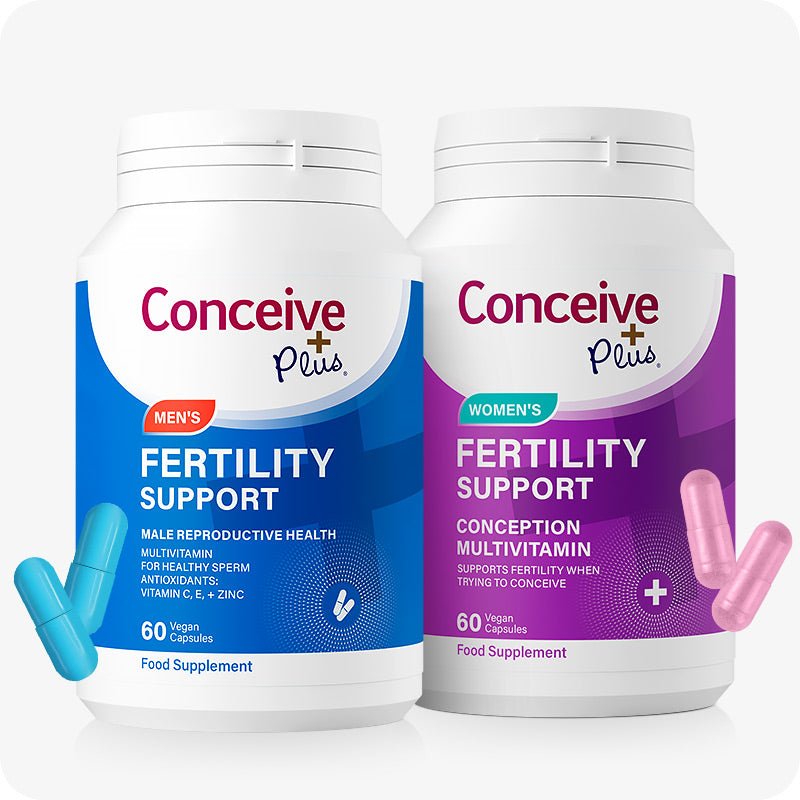
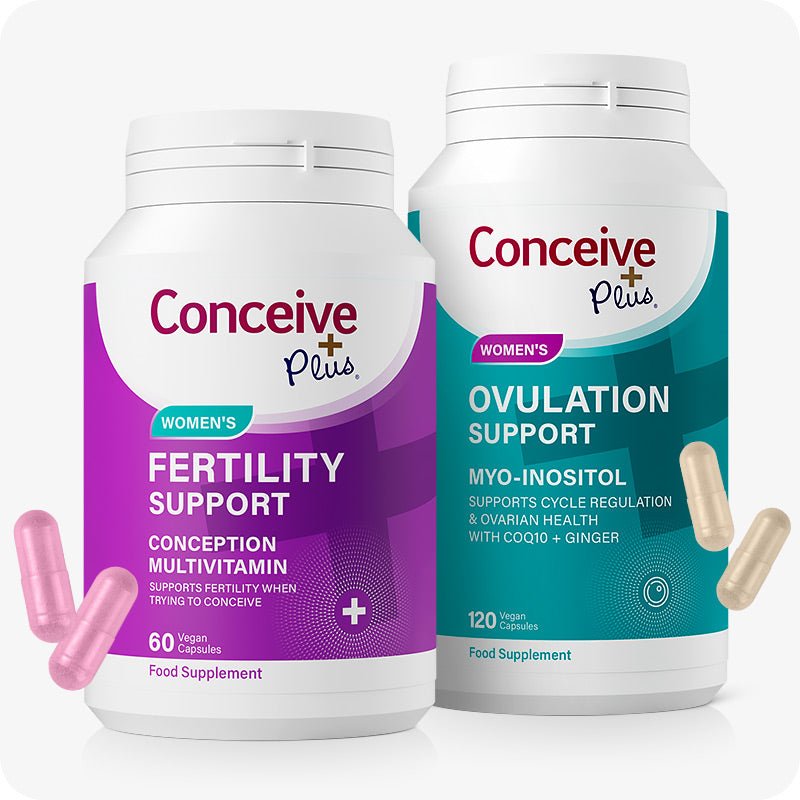
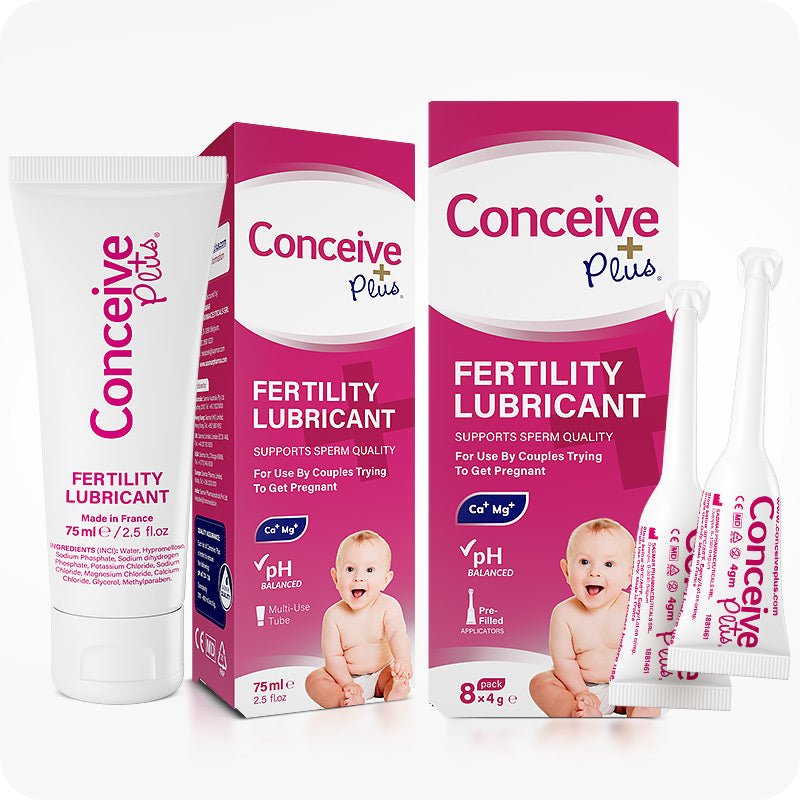
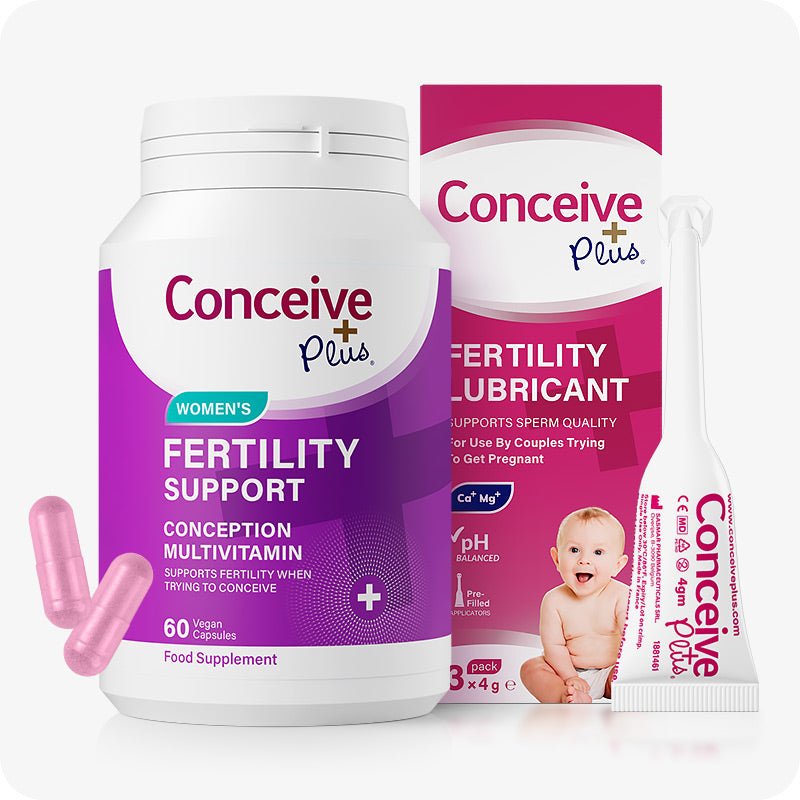
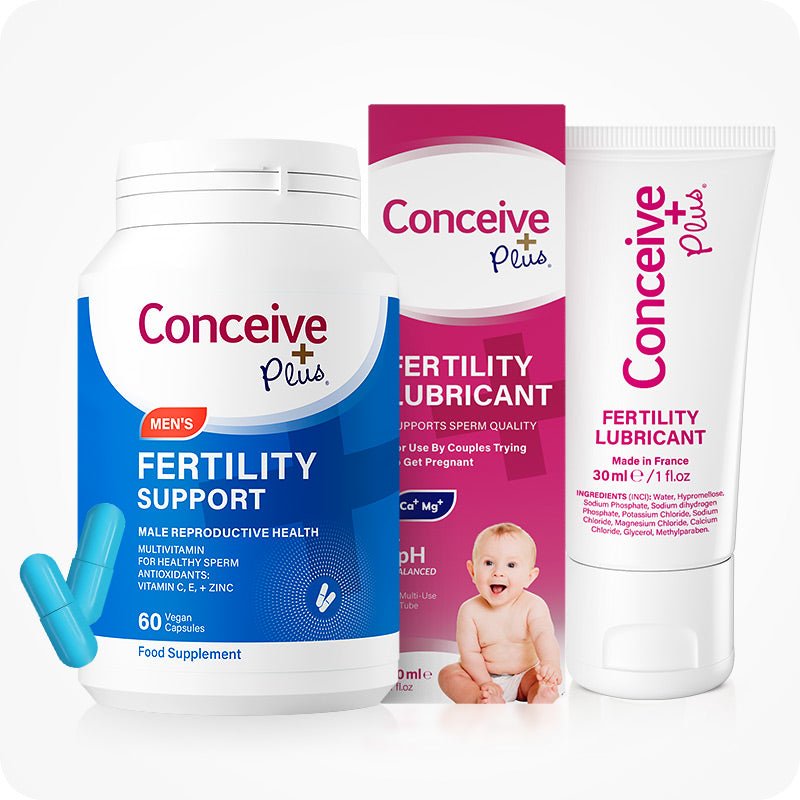
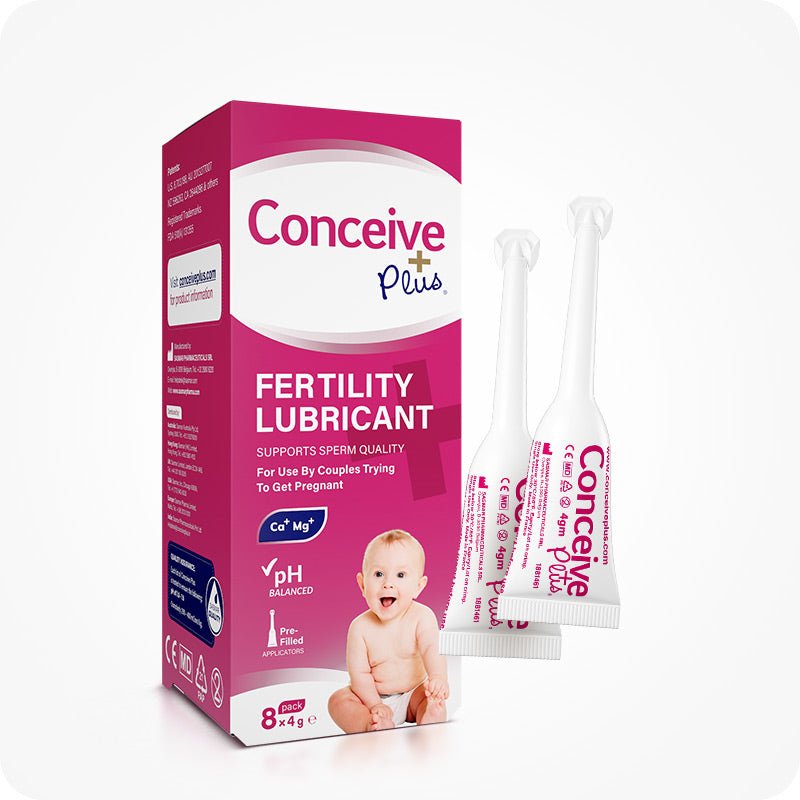
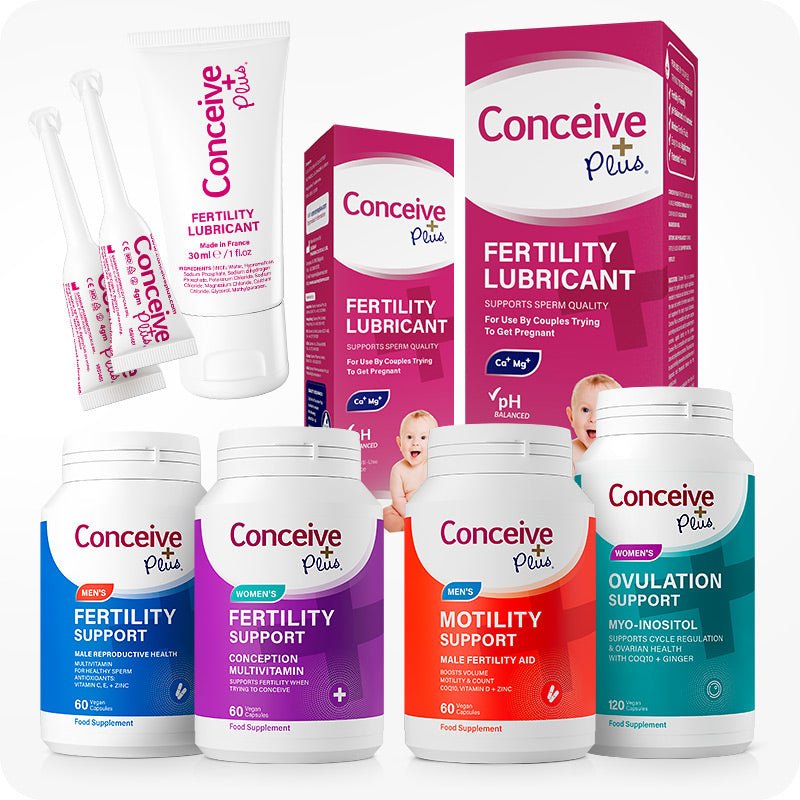
Conceive Plus products are designed to complement a fertility-optimising lifestyle. Our fertility lubricant provides the sperm-safe, pH-balanced environment that supports natural conception when you time intercourse to your fertile window—the culmination of months of nutritional preparation.
For couples across Europe, Conceive Plus is available directly from our EU store. Pair it with your Mediterranean-inspired fertility diet for a comprehensive TTC strategy.
Conceive Plus is pH-balanced, isotonic, and enriched with fertility-supporting ions—safe for sperm, supportive of conception.
Shop Conceive Plus in Europe →
Frequently Asked Questions: Fertility Diet
Is the Mediterranean diet good for fertility?
Yes. The Mediterranean diet has the strongest evidence of any dietary pattern for supporting fertility—in both women and men. It is anti-inflammatory, antioxidant-rich, and supports insulin sensitivity and hormone balance.
Does caffeine affect fertility?
Moderate caffeine (<200mg/day) appears safe for fertility. Higher intakes (>300mg/day) are associated with longer time to conception and increased miscarriage risk. This applies to both partners—caffeine intake in men can affect sperm DNA integrity.
Should I take a prenatal vitamin when TTC?
Yes. Starting a prenatal vitamin (containing folate, iron, iodine, DHA, vitamin D) at least 3 months before conception is recommended. It ensures nutrient adequacy from the very start of pregnancy, including the critical first weeks before you know you're pregnant.
What foods improve egg quality?
Foods rich in antioxidants (berries, leafy greens, tomatoes), omega-3 fatty acids (oily fish), coenzyme Q10 (organ meats, oily fish), and vitamin D (fortified dairy, eggs, salmon) support egg quality. Reducing ultra-processed food, sugar, and alcohol is equally important.
Can diet improve sperm quality?
Absolutely. Multiple studies link Mediterranean dietary patterns to better semen parameters. Antioxidant-rich foods protect sperm DNA, zinc and selenium support sperm production, and DHA supports sperm tail membrane integrity.
How long does it take for diet changes to affect fertility?
For women, hormonal effects of dietary changes can be seen within weeks (insulin, LH). For egg quality improvements, 3–6 months is the relevant window (the time of follicle maturation). For men, 3 months (one spermatogenic cycle) is the minimum timeframe to see semen parameter changes.
Is organic food better for fertility?
Some pesticide residues (organochlorines, certain organophosphates) have endocrine-disrupting effects that may affect fertility. High-pesticide produce (the "dirty dozen") is worth prioritising in organic form. However, eating more vegetables—organic or conventional—is more important than avoiding all pesticide exposure.
Should I avoid gluten when TTC?
Only if you have coeliac disease or documented gluten sensitivity. Undiagnosed coeliac disease can cause malabsorption of folate, iron, and other fertility-critical nutrients. If you have unexplained infertility or recurrent miscarriage, coeliac testing is worth discussing with your doctor.
Nourish your body with a fertility-supportive diet—and support the conception moment with Conceive Plus.
Shop Conceive Plus EU →