Secondary Infertility: Understanding Why It Happens and How to Navigate the Journey


What Is Secondary Infertility and Why Does It Happen?
Secondary infertility is defined as the inability to conceive or carry a pregnancy to term after having previously given birth without difficulty. It affects an estimated 1 in 8 couples who already have children, yet it remains one of the most misunderstood and emotionally complex forms of infertility.
Unlike primary infertility (where no prior pregnancy has occurred), couples experiencing secondary infertility often feel isolated — they’ve already proven they can conceive, so why can’t they now? The reality is that fertility is not a permanent state; it can change over time due to a wide range of medical, hormonal, and lifestyle factors.
According to the National Institutes of Health, approximately 11% of couples with one or more children will experience secondary infertility at some point. The causes are as diverse as those for primary infertility and often require the same thorough diagnostic approach.
Understanding that secondary infertility is a recognised medical condition — not a reflection of your fertility “disappearing” — is the first step toward seeking the right support and treatment.
Common Causes of Secondary Infertility
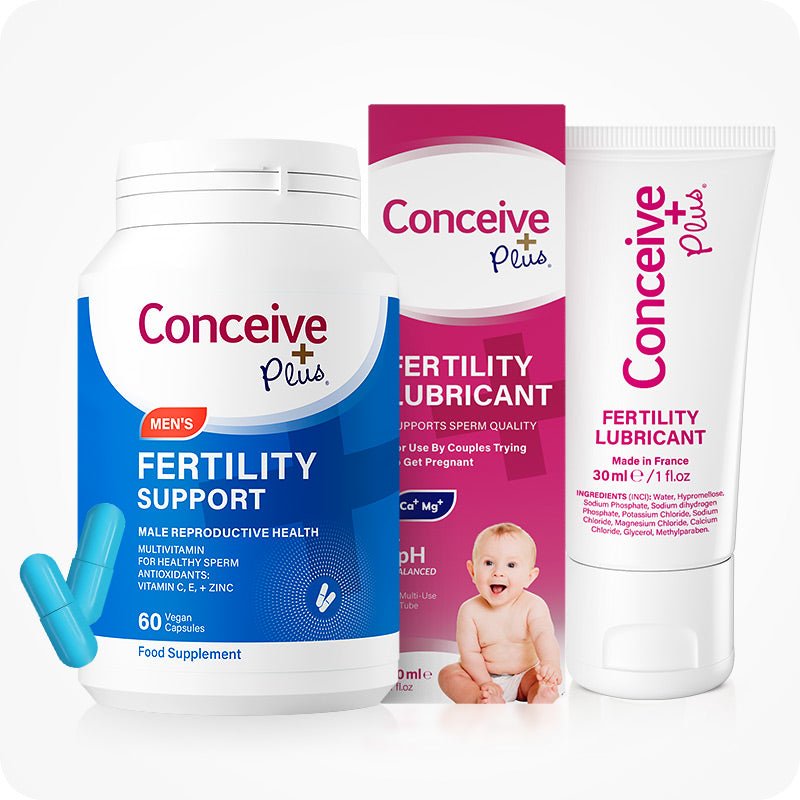
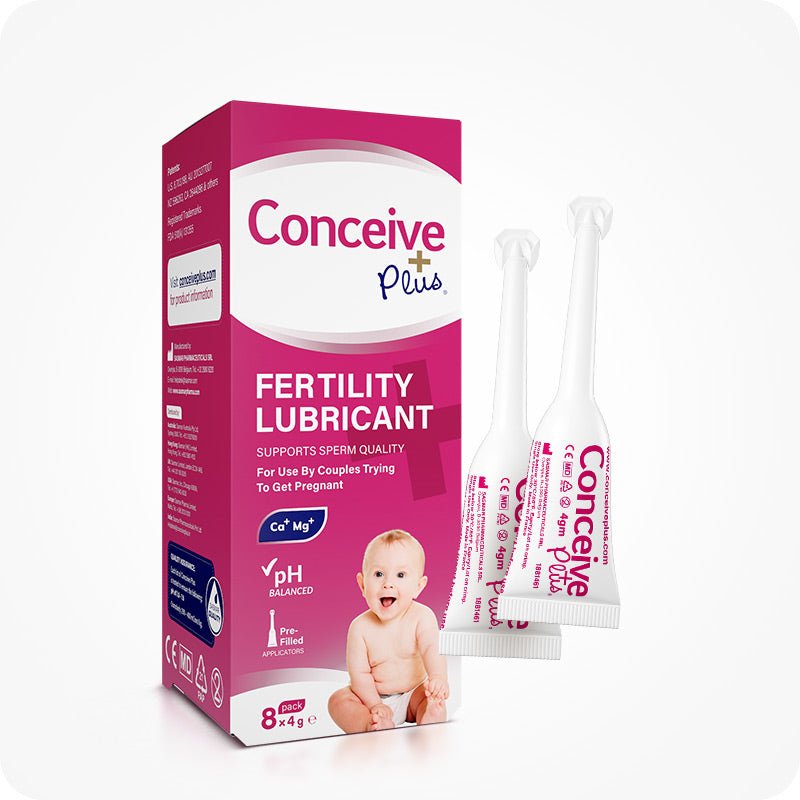
Support Your Fertility Journey with Conceive Plus Fertility Lubricant
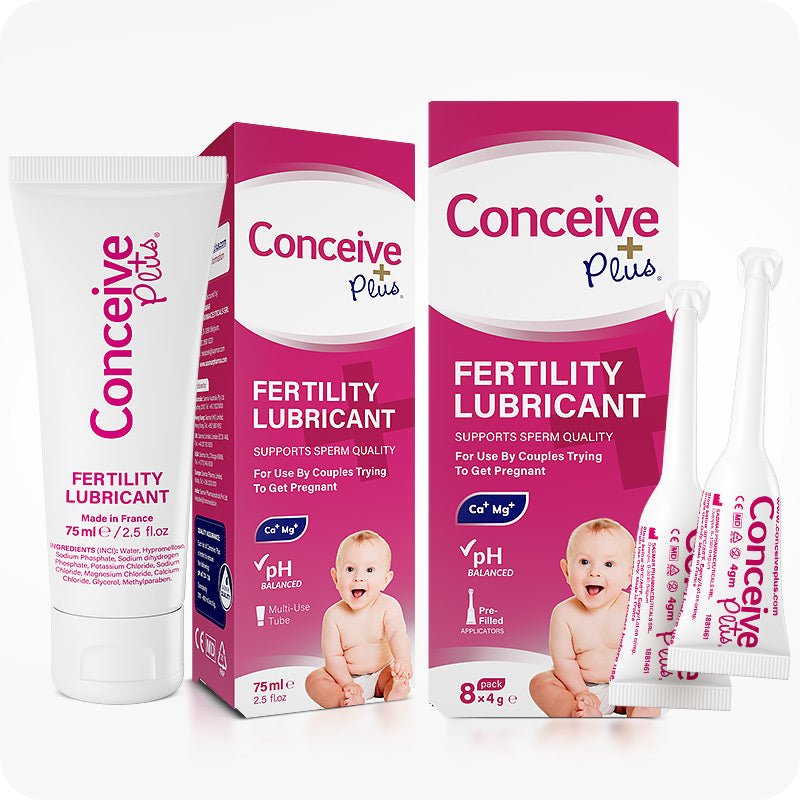
Every step of your conception journey deserves the right support. Shop Conceive Plus Fertility Lubricant →
Support Your Fertility Journey with Conceive Plus Fertility Lubricant
Every step of your conception journey deserves the right support. Shop Conceive Plus Fertility Lubricant →
The causes of secondary infertility span both female and male factors, and often a combination of issues is at play. Age is one of the most significant factors: fertility naturally declines with age, particularly after 35, and the interval between pregnancies can be long enough for this decline to become clinically meaningful.
Female Factors: Endometriosis can develop or worsen after a first pregnancy, affecting tubal function and implantation. PCOS may present differently over time, with hormonal profiles shifting after pregnancy. Uterine fibroids and polyps can develop between pregnancies, and prior C-sections or surgeries can create adhesions that affect fertility. Thyroid disorders and autoimmune conditions may also emerge or worsen postpartum.
Male Factors: Sperm quality and quantity can decline significantly over a few years. A man who was fertile for a first pregnancy may develop varicoceles, hormonal imbalances, or lifestyle-induced sperm damage. A study in Andrology found that sperm concentration declined by approximately 1.4% per year in a cohort of men studied over a decade, meaning a five-year gap between children can represent a measurable decrease in male fertility.
Weight and Metabolic Changes: Weight gain between pregnancies is a common contributor to secondary infertility. Excess body fat, particularly abdominal fat, produces estrogen that can disrupt ovulation and hormonal balance in women, and reduce testosterone and sperm quality in men.
The Emotional Impact of Secondary Infertility
The psychological burden of secondary infertility is distinct and often underestimated. Many couples describe feeling that they don’t have the “right” to grieve because they already have a child. They may avoid fertility clinics designed for “real” infertility, or feel guilty for wanting another child when some couples struggle to have their first.
Research published in Human Reproduction found that women with secondary infertility reported similar levels of depression and anxiety as women with primary infertility, but significantly lower levels of perceived social support. Comments like “be grateful for what you have” or “aren’t you being greedy?” compound the distress.
There’s also the complex family dynamic: watching your child grow up without a sibling, the age gap widening with each passing month, and the logistical challenge of pursuing treatment while parenting. These pressures are real and deserve recognition and support.
Diagnostic Approach: What Tests Are Needed
The diagnostic workup for secondary infertility mirrors that for primary infertility and should include both partners. For the woman, this typically includes hormone testing (FSH, LH, estradiol, AMH, thyroid panel, prolactin), ovarian reserve assessment, and imaging to check tubal patency and uterine structure.
For the male partner, a semen analysis is essential. Even if he was fertile before, his sperm parameters may have changed. A 2022 study in Fertility and Sterility found that 32% of men who had previously fathered a child had abnormal semen parameters when tested for secondary infertility.
Additional testing may include genetic screening, endometrial biopsy, and advanced sperm function tests such as DNA fragmentation analysis. The key is to approach secondary infertility with the same thoroughness as primary infertility — assuming nothing is normal just because a previous pregnancy was successful.
Treatment Options for Secondary Infertility
Treatment depends on the identified cause, but many options exist. Ovulation induction with letrozole or clomiphene citrate can help women who have developed ovulatory issues. Intrauterine insemination (IUI) is often a first-line treatment when sperm quality or cervical mucus issues are identified.
For couples with tubal blockage, endometriosis, or severe male factor, IVF offers high success rates. A key advantage for secondary infertility is that many women have proven their uterus can support a pregnancy, which can be reassuring when moving to advanced treatments. The CDC reports that live birth rates per IVF cycle for secondary infertility are comparable to — and sometimes slightly better than — those for primary infertility at the same age.
Lifestyle modifications remain a cornerstone: optimising weight, improving diet, reducing stress, and timing intercourse around ovulation using predictor kits or fertility awareness methods. Every couple’s path is unique, and treatment should be tailored to the specific combination of factors identified.
Coping Strategies and Support for Secondary Infertility
Building the right support system is essential. Consider working with a therapist who specialises in reproductive health, joining a support group specifically for secondary infertility (many exist both online and in-person), and communicating openly with your partner about the different ways this journey affects each of you.
It’s also important to set boundaries. Politely but firmly redirect friends and family who make uninformed comments about your family size. Protect your emotional energy and don’t feel obliged to share details of your treatment journey with anyone you don’t trust to support you.
Some couples find it helpful to reframe their perspective: you’re not “starting over” — you’re adding to a family you’ve already built. Your existing child is a testament to your family’s ability to love and nurture, and you’re seeking to extend that love further. That’s a strength, not a weakness.
Ready to Take the Next Step?
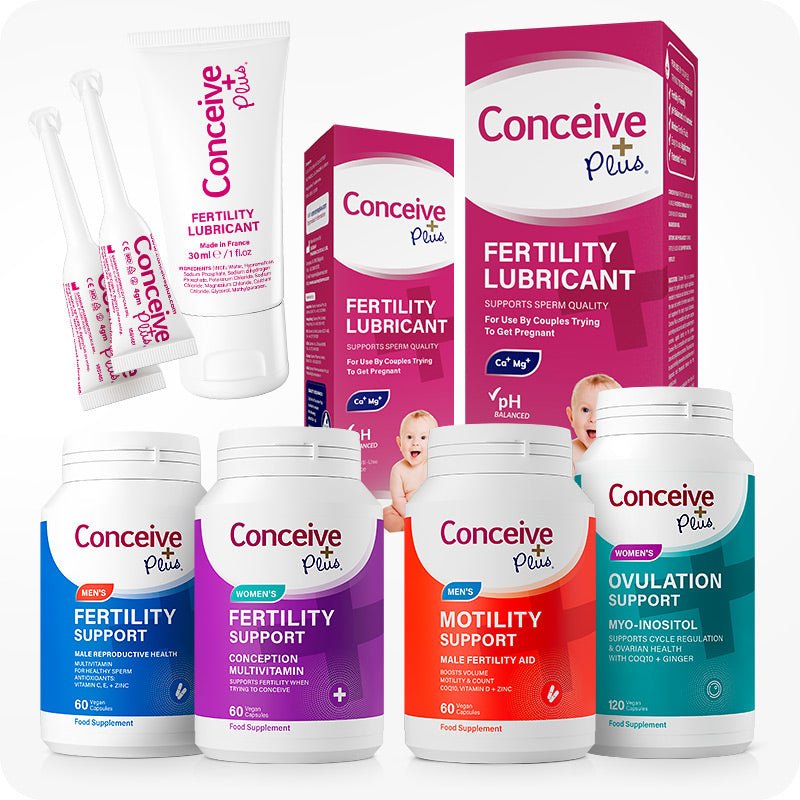
Trusted by thousands of couples worldwide, Conceive Plus Fertility Lubricant is designed to work with your body — not against it. Explore the full range of Conceive Plus products tailored to your unique fertility journey.
Frequently Asked Questions About Secondary Infertility
Ready to Take the Next Step?
Trusted by thousands of couples worldwide, Conceive Plus Fertility Lubricant is designed to work with your body — not against it. Explore the full range of Conceive Plus products tailored to your unique fertility journey.
Q: How long should I try before seeing a doctor for secondary infertility?
A: The standard recommendation is 12 months for women under 35 and 6 months for women over 35. However, given your prior successful pregnancy, many specialists will see you sooner if you’re concerned.
Q: Can secondary infertility resolve on its own?
A: In some cases, yes — especially if the cause is temporary (like stress-related anovulation). However, many causes are progressive and benefit from medical evaluation and treatment.
Q: Does having a child with one partner mean I can conceive with a different partner?
A: Not necessarily. Fertility involves both partners’ health, and a change of partner means a different set of factors on both sides.
Q: Is secondary infertility more common after a C-section?
A: C-sections can lead to adhesions or isthmocele formation that may affect future fertility, but most women who have had C-sections conceive again without difficulty.
Q: Does breastfeeding cause secondary infertility?
A: Extended breastfeeding can suppress ovulation, but this is temporary. Most women resume normal cycles within months of weaning or reducing feeds.
Q: Can weight gain between pregnancies cause secondary infertility?
A: Yes. Weight gain can disrupt hormonal balance in both women and men. Losing even 5–10% of excess body weight can restore ovulation and improve sperm quality.
Q: How is secondary infertility different emotionally?
A: The grief is often complicated by guilt (“I should be grateful for what I have”) and lack of social support. It’s equally valid and equally painful as primary infertility.
Q: Does age affect secondary infertility even if I had a baby in my 30s?
A: Yes. Fertility declines with age regardless of prior pregnancies. A woman who had a baby at 32 and tries again at 37 faces the same age-related fertility decline as any woman at 37.
Q: Can I use the same fertility products I used before?
A: Your needs may have changed. However, using a fertility-friendly lubricant remains just as important — many couples don’t realise that standard lubricants can impair sperm motility.
Q: Should my partner be tested even if he fathered our first child?
A: Absolutely. Male fertility can change significantly over time. A semen analysis is a simple, non-invasive test that should be part of any secondary infertility workup.