Mastering Hormonal Balance: A Comprehensive Guide to Feeling Your Best in 2026


Did you know that an estimated 80% of women globally experience a hormonal imbalance during their lifetime? It's incredibly frustrating to wake up exhausted after a full night of sleep or watch the scale climb despite your best efforts. You're not alone if you feel like your body has lost its natural rhythm, or if you're part of the 21% of women who feel their health concerns have been dismissed by providers in the past.
Achieving true hormonal balance is not just about fixing a single symptom. It's about fine-tuning a biological orchestra where your lifestyle acts as the conductor and nutrition provides the instruments. We promise to show you how to identify subtle hormonal shifts and implement a science-backed roadmap to restore your natural rhythm and fertility. You'll learn about the latest 2026 medical updates, including the FDA's November 2025 decision to remove "black box" warnings from hormone therapies, and discover how to use data from your own wearables to reclaim predictable cycles, clearer skin, and stable energy.
Key Takeaways
- Learn to recognize red flags like irregular cycles and androgen-driven skin changes that signal your endocrine system is out of sync.
- Discover how stabilizing your blood sugar through protein-rich breakfasts and optimizing your circadian rhythm can naturally restore hormonal balance.
- Explore the science behind targeted nutrients like Myo-Inositol and Magnesium to improve insulin sensitivity and manage PMS symptoms.
- Master the art of cycle tracking using basal body temperature and cervical mucus to monitor your health progress in real-time.
- Understand exactly when to request a comprehensive blood panel to get the clinical data needed for personalized hormone care.
What is Hormonal Balance and Why Does It Matter?
Think of hormones as your body's internal software. They are chemical messengers produced by the Endocrine system that travel through your bloodstream to tell your tissues and organs exactly what to do. From your metabolism and sleep cycles to your mood and libido, almost every biological process relies on these microscopic signals. When they function correctly, your body operates like a well-oiled machine. When they don't, even simple daily tasks can feel like an uphill battle.
Your brain acts as the primary command center for this process. The hypothalamus and pituitary gland constantly scan your blood for hormone levels, working in a tight feedback loop. If levels are low, the pituitary sends a signal to the target gland to produce more. If they're high, it throttles production back. This delicate dance keeps you feeling energized and resilient. When this communication breaks down, you might experience that persistent "off" feeling that's so often dismissed by traditional medicine.
True hormonal balance isn't about hitting a single, static number on a lab report. It's actually about the ratio between different hormones. For example, your Estrogen and Progesterone don't just need to be "in range"; they need to be in the correct proportion to one another to prevent symptoms like heavy periods or sudden anxiety. It's a dynamic state of flux that shifts with your age, your cycle, and even your daily stress levels.
The Hormonal "Orchestra" Analogy
One "out of tune" hormone can ruin the entire performance. Consider Insulin. When levels spike too often, it can trigger your ovaries to produce excess Testosterone, leading to adult acne or disrupted cycles. Key players like Estrogen, Progesterone, Cortisol, and Thyroid hormones must work in harmony. In reproductive health, we call this internal stability "Homeostasis." It's the sweet spot where your body feels safe enough to prioritize fertility over survival-based stress responses.
Why Balance is Critical for Fertility
Fertility is the ultimate "canary in the coal mine" for your overall health. Hormonal timing dictates every phase of your menstrual cycle, from the follicular phase to the luteal phase. Without proper balance, egg quality can suffer and the uterine lining may not thicken sufficiently for implantation. Achieving hormonal balance is the absolute prerequisite for a healthy conception window. This foundation makes tracking your ovulation more accurate and your daily vitality more sustainable.
7 Signs of Hormonal Imbalance You Shouldn’t Ignore
Identifying a Hormonal Imbalance isn't always straightforward because symptoms often mimic general stress or aging. However, your body is rarely silent. It uses physical and emotional cues to signal when the internal chemical ratios we discussed earlier have shifted. If you've felt that something is "off" for a while, you aren't alone. A 2025 report found that 21% of women feel their concerns in this area are dismissed by providers, but these signs are clinical indicators that your system needs support.
Irregular or heavy periods are often the first sign of trouble. When Estrogen levels dwarf Progesterone, the uterine lining can overgrow, leading to painful, heavy cycles. Conversely, if you're missing periods entirely, it might signal a lack of ovulation. This is common in conditions like Polycystic Ovary Syndrome (PCOS). Research shows that while PCOS affects up to 13% of women globally, a staggering 70% of cases remain undiagnosed. Ignoring these shifts can make maintaining hormonal balance much harder down the road.
Adult acne along the jawline or thinning hair on your scalp usually points to androgen dominance. When hormones like Testosterone are too high, they overstimulate oil glands and shrink hair follicles. If you're also noticing stubborn weight gain around your midsection, you might be dealing with a combination of high Cortisol and Insulin resistance. These "stress hormones" tell your body to store fat for a perceived emergency, making weight loss nearly impossible through traditional calorie cutting alone. Night sweats and frequent waking are also red flags, often linked to a drop in the calming hormone Progesterone.
Mood Swings and Cognitive "Fog"
Your brain is highly sensitive to Estrogen. This hormone helps regulate Serotonin, your "feel-good" neurotransmitter. When Estrogen levels drop or fluctuate wildly, you might feel suddenly irritable or anxious. Thyroid imbalances also play a major role here. Since one in eight women will develop a thyroid disorder in her lifetime, persistent mental fatigue or "brain fog" shouldn't be ignored. It's a chronic state of feeling mentally drained that goes far beyond standard PMS.
The Hidden Signs: Digestion and Libido
Hormones even control how fast food moves through your system. Low Progesterone can slow down gut motility, leading to chronic bloating and constipation during certain phases of your cycle. Similarly, a sudden drop in libido is a clinical sign that your Testosterone or DHEA levels are flagging. If you're noticing these changes while trying to conceive, it's worth exploring fertility support options to address the root cause. Proactive care is the best way to restore hormonal balance and your overall quality of life. You can take the first step today by paying closer attention to these subtle biological whispers.
The Natural Roadmap to Restoring Hormonal Equilibrium

✨ Trying to Conceive?
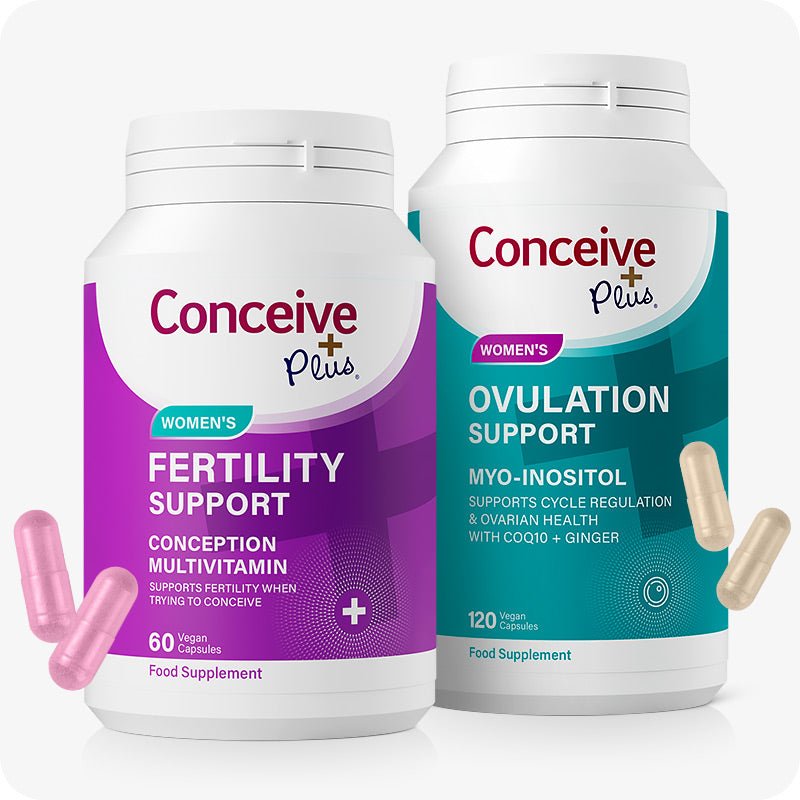
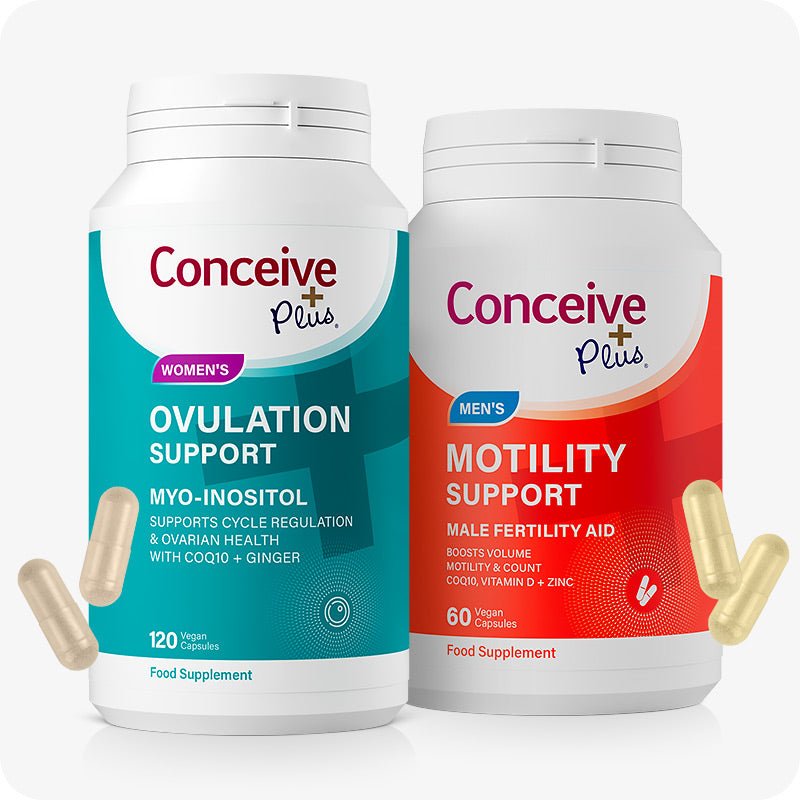
Our fertility supplements combine Myo-Inositol with essential vitamins to support healthy hormone balance and regular ovulation.
Shop Now — $44.98✓ Free shipping available | ✓ Trusted by millions of couples worldwide
Restoring your internal rhythm requires a shift from reactive fixes to proactive lifestyle habits. Science-backed research into understanding hormonal balance highlights that your body needs physical stability to thrive. It starts with your first meal. A protein-rich breakfast prevents the insulin spikes that crash your energy by noon. When insulin remains stable, your ovaries aren't bombarded by signals to overproduce androgens, which helps keep your skin clear and your cycles predictable.
Next, you must prioritize your circadian rhythm. Your body performs its most critical hormonal "housekeeping" during 7 to 9 hours of restorative sleep in a dark room. This isn't just about avoiding fatigue. It's about giving your brain the signal that it's safe to regulate growth hormones and repair tissues. Without this dark-room rest, your melatonin production drops, which can negatively impact egg quality and metabolic health over time.
Many people overlook a phenomenon called the "Cortisol Steal." When you're chronically stressed, your body prioritizes the production of cortisol over progesterone. They share the same biological precursor, a "mother hormone" called pregnenolone. If you're always in a state of "fight or flight," your body literally steals the building blocks needed for your menstrual cycle to manage your stress instead. This is why high-stress months often result in spotting or irregular timing. Managing hormonal balance requires convincing your nervous system that you're safe.
Movement matters too, but more intensity isn't always better. While generic advice often suggests pushing harder, over-exercising can backfire. During your luteal phase—the week or so before your period—your body's core temperature is higher and your recovery is slower. Switching to low-impact movement like walking or restorative yoga prevents a spike in cortisol that could otherwise disrupt your hormonal balance.
Nutrition Strategies for Hormone Support
Healthy fats are the literal building blocks of your hormones. Without enough Omega-3s and high-quality fats, your body can't manufacture estrogen or testosterone effectively. Meanwhile, cruciferous vegetables like broccoli and kale contain compounds that help your liver detoxify "used" estrogen. Be careful with extreme calorie restriction. Dieting too hard tells your brain there's a famine, which can shut down reproductive functions to save energy.
Reducing Environmental Endocrine Disruptors
Your environment plays a silent, significant role in your health. Endocrine disruptors like BPAs in plastics and phthalates in synthetic fragrances are known as "Xenoestrogens." These chemicals mimic natural estrogen and bind to your receptors, causing biological confusion. Switching to glass food containers and choosing hormone-safe personal care products reduces this toxic load. This allows your natural hormones to communicate without interference from synthetic mimics.
Targeted Nutrients and Supplements for Balance
Lifestyle changes form the foundation, but sometimes your body needs a more direct nudge to restore its natural rhythm. While 80% of women globally now take a daily supplement, finding the right combination is key to achieving hormonal balance. In an era where modern agricultural practices can leave our food lacking, targeted nutrients act as the bridge between your current state and optimal vitality. The global market for fertility supplements is projected to grow at a compound annual growth rate of 8.1% through 2030, reflecting a massive shift toward proactive, nutrient-based care.
Myo-Inositol is perhaps the most critical nutrient for anyone struggling with insulin-related shifts. It functions as a "second messenger," helping your cells hear the signal of insulin so your blood sugar stays stable. Magnesium is another non-negotiable master mineral. It regulates the nervous system and provides significant PMS relief by relaxing smooth muscle tissue and lowering prostaglandins that cause cramping. Then there's Vitamin D. It's often mislabeled as a vitamin, but it's actually a pro-hormone. A deficiency here can disrupt your entire endocrine system, as it's essential for the production of follicle-stimulating hormone (FSH) and healthy ovarian reserves. Finally, Zinc plays a major role in testosterone balance and skin health, helping to clear up hormonal acne and support the immune system.
The Role of Inositol in Reproductive Health
Specific ratios matter more than most people realize. Research suggests a 40:1 ratio of Myo-Inositol to D-Chiro Inositol is the gold standard for supporting ovarian function and restoring regular ovulation. This specific combination mimics the body's natural chemistry to improve egg quality and insulin sensitivity simultaneously. High-quality hormonal balance supplements can bridge these nutritional gaps when diet alone isn't enough to overcome years of depletion.
When to Consider Specialized Support
If you're focused on conception, antioxidant-rich formulas are vital. They protect eggs from oxidative stress and improve the environment of the reproductive tract. Herbal adaptogens like Ashwagandha also help by supporting the adrenal glands. This support prevents the "Cortisol Steal" we mentioned earlier, ensuring your body doesn't sacrifice progesterone for stress management. If you're ready to start your journey, you can find special offers on targeted formulas designed to support your endocrine health. To get started on your path to wellness, explore our full range of science-backed solutions today.
Taking Action: How to Monitor Your Progress
Success in restoring your internal rhythm isn't measured in days, but in cycles. Because it takes roughly 90 days for an egg to fully mature, this three month window serves as your primary assessment period. During this time, you aren't just waiting; you're gathering data. With 50% of women aged 18 to 45 now using digital tools to track their health, you have more power than ever to observe how your body responds to the changes you've implemented. Consistency is the only way to achieve lasting hormonal balance, and your data acts as the proof that your efforts are working.
Beyond digital apps, physical biomarkers like Basal Body Temperature (BBT) and cervical mucus provide a real time window into your endocrine function. These signs tell you exactly when your estrogen is rising and when progesterone takes over after ovulation. If you don't see these patterns emerge within two to three cycles, it's time to request a comprehensive blood panel. About 72% of clinicians report that patients who bring this type of self-tracked data to appointments receive more personalized and effective care plans. This clinical precision ensures your path forward is based on your unique biology rather than general assumptions.
Creating Your Daily Hormone Ritual
The most effective way to stay on track is to build a "Hormone Diary" into your morning routine. Note your energy levels, skin clarity, and mood alongside your cycle day. This habit allows you to spot trends, such as a recurring energy dip in the luteal phase or improved sleep after prioritizing magnesium. These small observations prevent you from feeling discouraged when progress feels slow. By focusing on these daily wins, you maintain the momentum needed for a full system reset.
Your Next Steps with Conceive Plus Europe
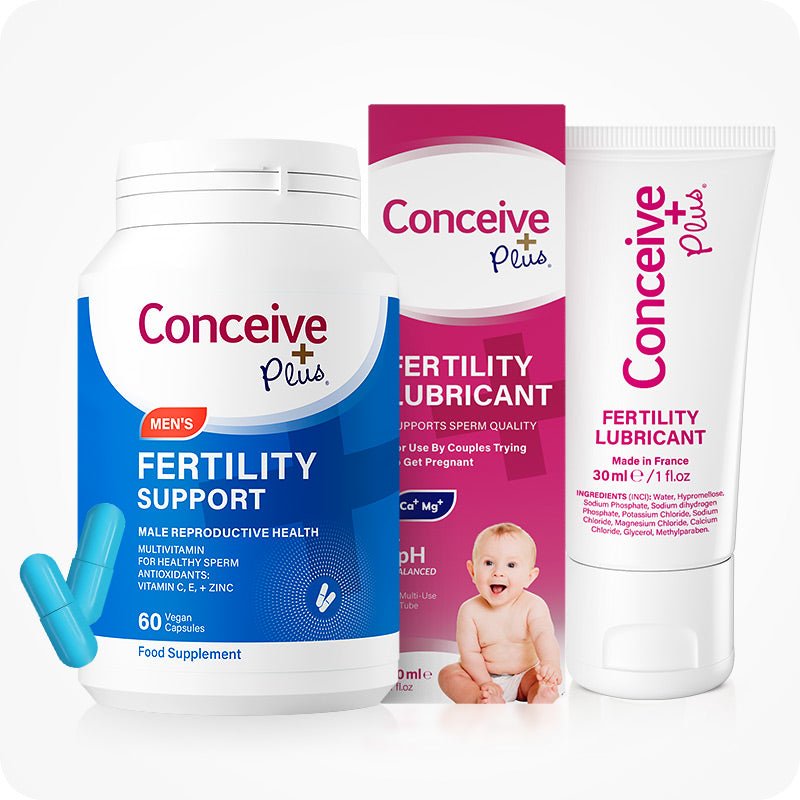
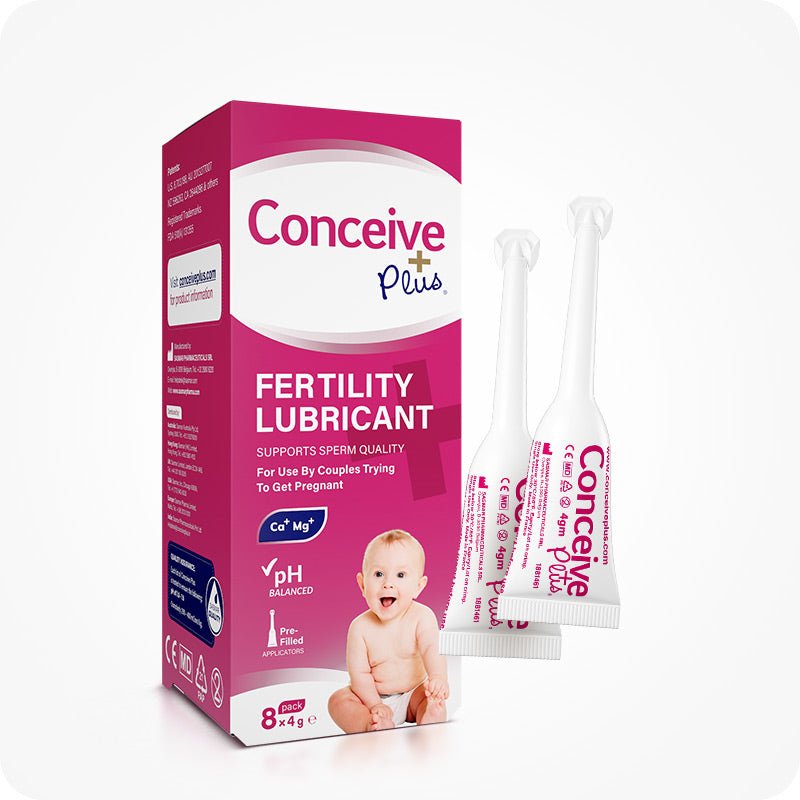
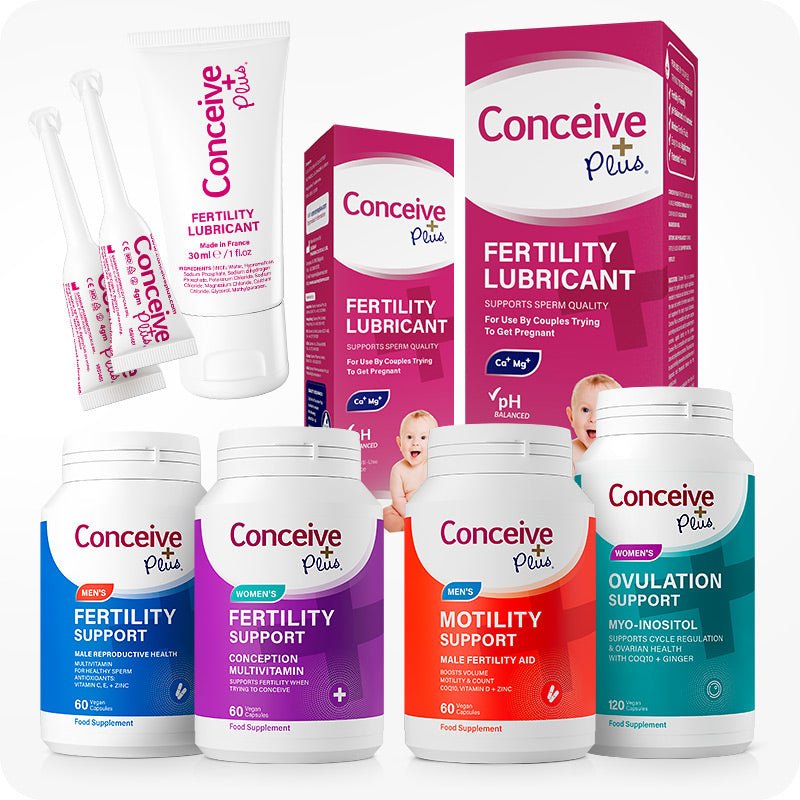
Restoring your internal rhythm is the ultimate investment in your future, especially if you are preparing for parenthood. When your body is in a state of hormonal balance, every other system—from your metabolism to your reproductive health—functions with greater ease. We invite you to explore the Conceive Plus Europe Fertility Collection for science-backed solutions designed by experts to support this transition. You can take control of your health journey today by choosing formulas that respect and enhance your body's natural chemistry.
Your Path to Lasting Vitality
The journey to feeling your best doesn't have to be a mystery. By connecting the dots between your daily habits and your internal chemical signals, you've taken the most important step toward sustainable hormonal balance. You now have the science-backed roadmap to move past the frustration of irregular cycles and persistent fatigue. Whether you're focusing on cycle predictability or optimizing your health for the future, the power to change your biological narrative is in your hands.
Conceive Plus Europe provides the expert-led support you need to bridge the gap between where you are and where you want to be. Our collections are formulated by fertility experts and trusted by millions of women worldwide to provide the specific nutrients, like Myo-Inositol for PCOS support, that your system craves. It's time to stop settling for "fine" and start thriving. Restore Your Rhythm: Shop the Hormonal Balance Collection and embrace the clarity and energy that come with a body in sync. Your future self will thank you for the care you start today.
Frequently Asked Questions
How long does it take to balance hormones naturally?
It typically takes about three months, or 90 days, to see significant changes in your hormonal health. This timeframe aligns with the maturation cycle of a human egg and the time required for the endocrine system to respond to new lifestyle habits. While you might notice energy improvements within a few weeks, lasting shifts in your menstrual cycle or skin health require consistency across several cycles.
Can diet alone fix a hormonal imbalance?
Diet is a powerful foundation, but it rarely works in isolation. While stabilizing blood sugar through protein and healthy fats is essential, environmental factors like endocrine disruptors and chronic stress can override even the best nutritional plan. Achieving hormonal balance usually requires a multi-pronged approach that addresses internal nutrition, sleep quality, and the reduction of external chemical triggers.
What are the best vitamins for hormonal balance in women?
Key nutrients include Vitamin D, which acts as a pro-hormone for reproductive health, and B vitamins for the liver's detoxification of estrogen. Magnesium is critical for nervous system regulation and PMS relief, while Zinc supports healthy testosterone levels and skin. Omega-3 fatty acids are also vital because they provide the structural building blocks for hormone production throughout the body.
Is caffeine bad for hormonal balance?
Caffeine isn't inherently "bad," but its timing and quantity can disrupt your delicate chemical rhythm. High intake can spike cortisol levels and interfere with blood sugar stability, especially if you drink it on an empty stomach. For those sensitive to stimulants, excessive caffeine may exacerbate anxiety or disrupt the deep sleep patterns that are essential for maintaining hormonal balance.
How do I know if my hormones are unbalanced or if it is just stress?
Stress and hormones are deeply linked, but imbalances often present with specific physical markers that don't disappear when life gets easier. If symptoms like adult acne, hair thinning, or irregular periods persist even during low-stress weeks, it's likely a deeper hormonal issue. Stress is often a temporary trigger, whereas a true imbalance creates a consistent pattern of dysfunction across multiple months.
Can hormonal imbalance prevent me from getting pregnant?
Yes, hormonal shifts can directly impact your ability to conceive by disrupting ovulation or thinning the uterine lining. Conditions like PCOS or thyroid disorders can prevent the release of a healthy egg or make the environment difficult for implantation. Addressing these root causes is often the first and most effective step in improving fertility and reproductive health.
What is the "Cortisol Steal" and how does it affect my cycle?
The "Cortisol Steal" occurs when your body prioritizes making stress hormones over reproductive ones to ensure survival. Since cortisol and progesterone share the same biological building blocks, chronic stress forces your system to redirect resources away from your cycle. This often leads to low progesterone levels, which can cause mid-cycle spotting, short cycles, or increased anxiety before your period.
Should I see a doctor for hormonal testing?
You should consider professional testing if symptoms like extreme fatigue, unexplained weight gain, or irregular cycles persist for more than three months despite lifestyle changes. Clinical blood panels or saliva tests provide a clear baseline that helps distinguish between different types of imbalances. Working with a provider ensures you receive a personalized protocol based on your specific data rather than generalized advice.
🌱 Support Your Fertility Journey
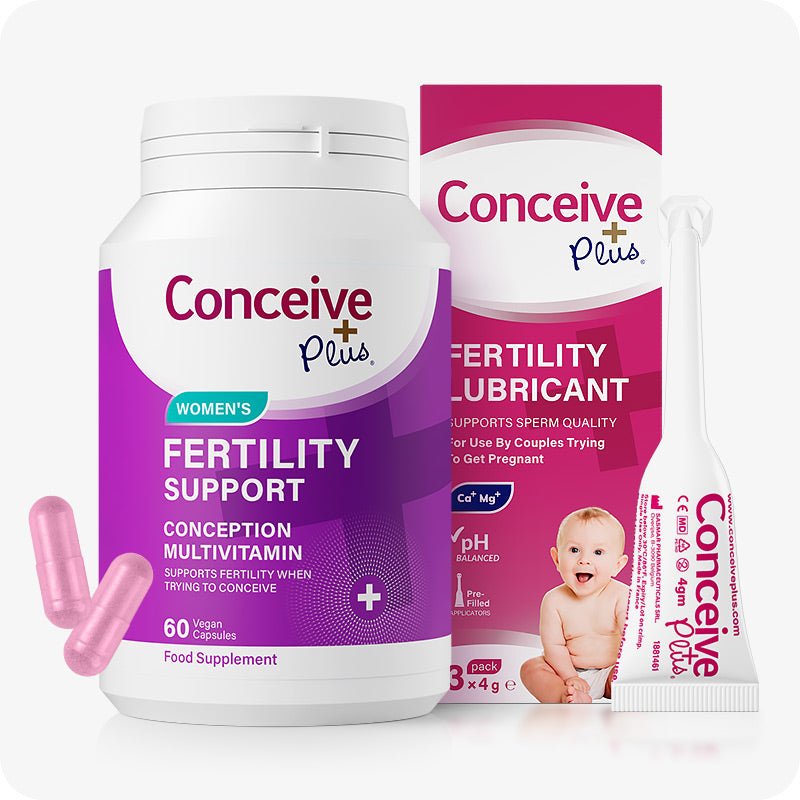
Conceive Plus fertility supplements are clinically formulated to help regulate your cycle and support egg quality.
Shop Fertility Support →Trusted by Couples in Over 70 Countries
Support Male Fertility From the Inside Out
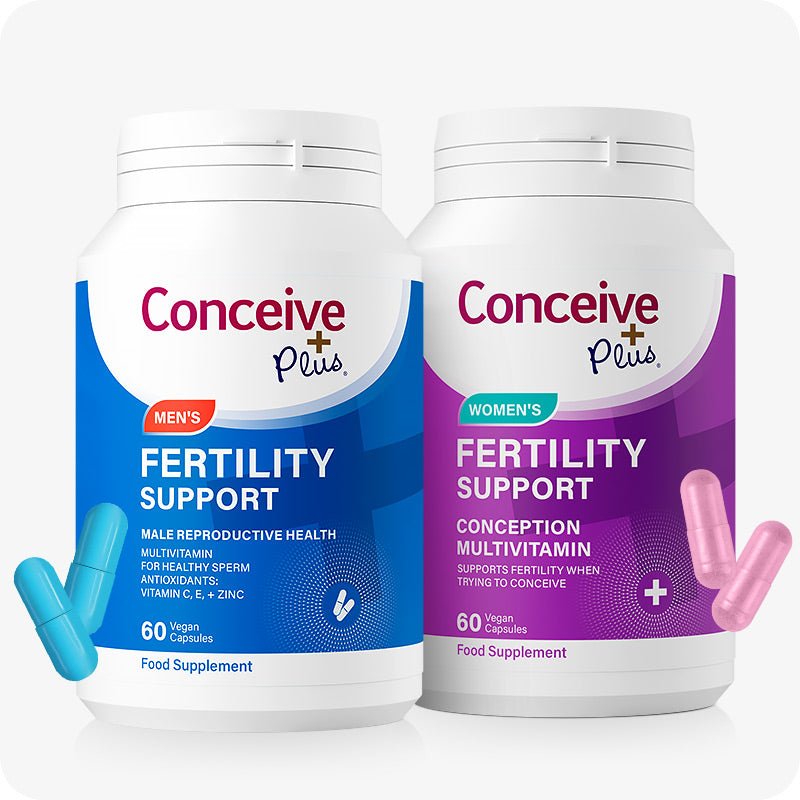
Male fertility is just as important as female fertility in the conception journey. Conceive Plus Men's range delivers targeted nutritional support to promote healthy sperm and overall reproductive wellbeing.
Shop Men's Range →